What to Know About Obsidian Crystal Meaning
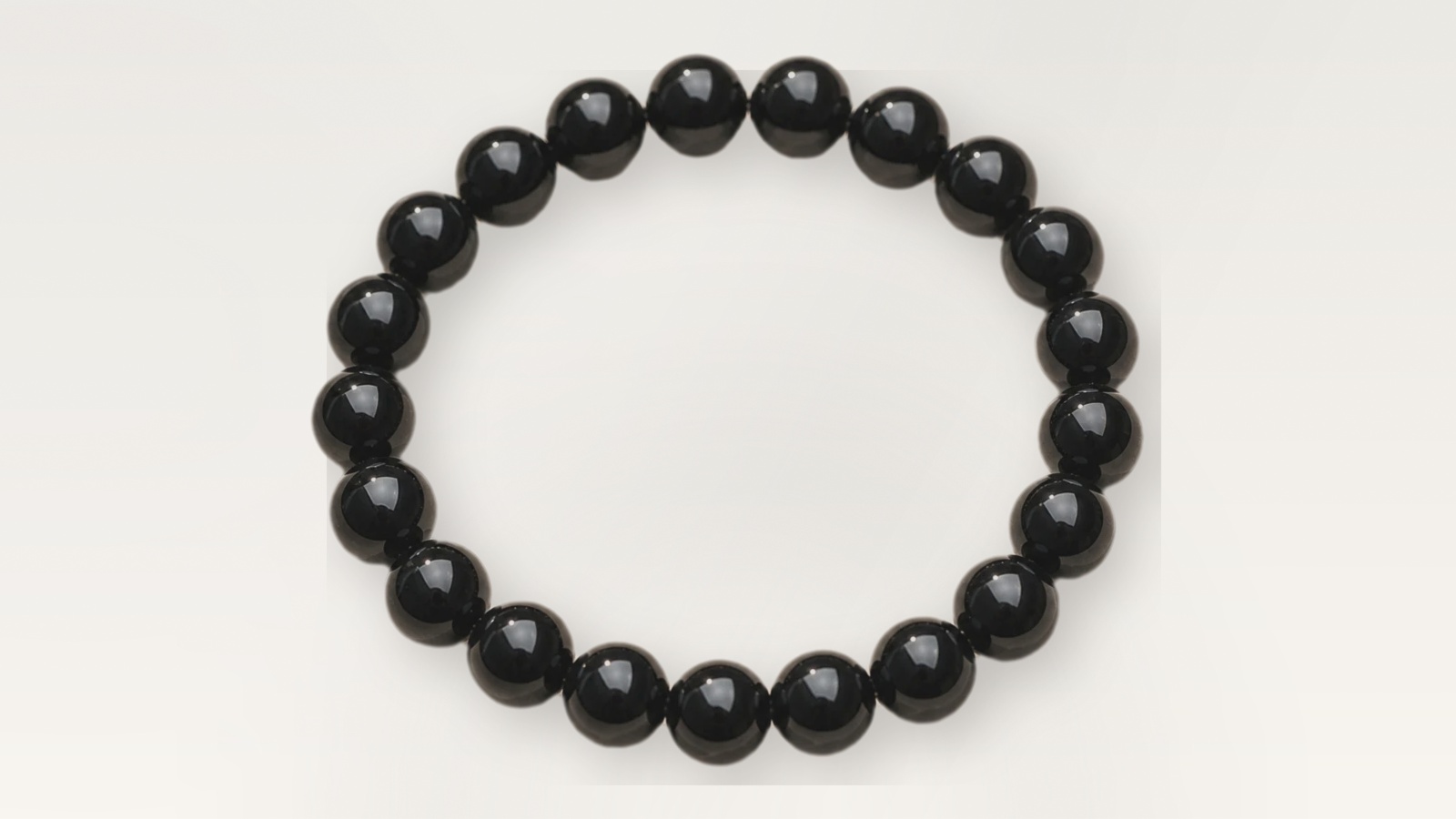
Table of Contents
- Introduction to Obsidian Crystal
- What Does Obsidian Crystal Mean?
- Obsidian Healing Properties and Benefits
- Physical Healing Properties
- Emotional and Spiritual Healing
- How to Use Obsidian Crystal
- How to Cleanse and Charge Obsidian
- Types of Obsidian and Their Meanings
- Choosing and Checking Obsidian: A Practical Guide
- Where to Buy Authentic Obsidian Crystals
- Key Takeaways
- Frequently Asked Questions about Obsidian Crystal
- Sources
Introduction to Obsidian Crystal
There is a quiet strength in the ancient, and the obsidian crystal carries it well. This is a stone born not from the slow dance of tectonic plates but from the fiery breath of the earth itself. Obsidian forms when volcanic lava cools so quickly that its atoms never get the chance to organize into mineral crystals. The result is a dense natural glass, usually rhyolite in composition and typically black, colored by tiny crystals of iron oxide suspended inside the glass. Because it breaks with a smooth, curved fracture, it can be polished to a mirror-like sheen — in fact, some of the earliest manufactured mirrors were made from polished obsidian.
To hold a piece of obsidian is to touch a moment of creation. Its surface, often black as a starless midnight, catches light in a way that feels introspective. It does not shout; it reflects. That reflective quality is at the heart of the obsidian crystal meaning — a stone that turns you inward, encouraging you to look not only at what lies before you, but at what lies within. Whether you are drawn to its sleek beauty, its volcanic history, or its long association with protection and truth, this guide will help you understand what obsidian is, how it has been used, and how to work with it gently in everyday life.
What Does Obsidian Crystal Mean?
At its core, the obsidian crystal meaning is tied to the concept of truth — not the harsh, judgmental truth of the outside world, but the deep, steady truth of your own being. Historically, many cultures revered obsidian as a stone of protection and insight. Aztec artisans shaped it into polished mirrors, and the reflective surface was believed to reveal true intentions. The obsidian stone meaning has always carried that double nature: a shield on one side, a mirror on the other.
In modern crystal practice, obsidian is often described as the "mirror of the soul." It is said to reflect your shadows, your fears, and the parts of yourself you might prefer to keep hidden. This crystal does not offer a comfortable illusion; it offers clarity. Its energy is rooted in grounding and protection, but not in the way of a soft blanket — think instead of a sturdy, unyielding fortress. Obsidian is believed to create a barrier against negativity while also asking you to face the negativity you carry within. It is a stone for those who are ready to heal, to grow, and to stand firmly in their own power. The message it whispers is simple but profound: you cannot move forward until you see where you truly stand.
Obsidian Healing Properties and Benefits
The healing reputation of obsidian runs as deep as its glossy black surface. It is important to remember that crystals are not a substitute for medical or professional care, and no stone can promise a particular outcome. What many people do report is that the steady, grounding presence of obsidian supports their wellness routines in gentle ways — offering a moment of stillness, a reminder to breathe, and a focal point for reflection. Below are the areas where obsidian is most often appreciated.
Physical Healing Properties
On a physical level, obsidian is most often associated with the body's foundation. Because it is strongly connected to the root chakra — the energy center at the base of the spine — obsidian is thought to help gather scattered energy, which may support a felt sense of stability. Some crystal enthusiasts find that carrying or wearing obsidian brings comfort during times of physical tension, particularly in the lower back and legs. It is also sometimes used as a supportive stone during gentle detox routines, since its reflective nature is said to help the body release what no longer serves it.
There are anecdotal reports that obsidian may support circulation and digestion, though these claims are not scientifically substantiated. What is more commonly agreed upon is the stone's ability to encourage physical presence. In a world where we are often disconnected from our bodies — lost in screens and schedules — obsidian invites you back into your skin. It reminds you to breathe, to stand tall, and to honor the temple of your body.
Emotional and Spiritual Healing
Emotionally, obsidian is a powerful ally for anyone navigating grief, trauma, or emotional overwhelm. Its mirror-like surface is said to reflect the feelings we try to bury, bringing them into the light where they can be acknowledged and, eventually, released. This process may feel uncomfortable at first, but it is often the first step toward genuine healing. Obsidian does not encourage emotional avoidance; it gently but persistently asks you to feel, to process, and to let go.
On a spiritual level, the obsidian crystal meaning expands into the realm of protection. Many practitioners use obsidian as a shield against energetic drains, believing it absorbs and transmutes heaviness much like the volcanic fire that created it. For those who are emotionally sensitive or highly empathetic, obsidian can serve as a grounding anchor, helping you distinguish between your own feelings and the emotions of others. It supports spiritual growth by encouraging honesty — with yourself, with the world around you, and with the path you are choosing to walk.
How to Use Obsidian Crystal
Integrating obsidian into daily life can be a beautiful and grounding practice. There is no single "right" way to work with this stone, but a few approaches are especially easy to begin with.
For protection, you might place a piece of obsidian near the entrance of your home — by the front door, on a hallway shelf, or on a windowsill. Many people find this creates a felt sense of boundary, a way of marking where the outside world ends and your sacred space begins.
During meditation, hold a piece of obsidian in your palm or rest it near the base of your spine. Close your eyes and notice the stone's weight and cool surface. Visualize roots growing from the base of your spine deep into the earth, anchoring you to the planet's core. This simple act can be profoundly calming, especially during times of anxiety or uncertainty.
Wearing obsidian as jewelry — a pendant, bracelet, or ring — keeps its energy within your personal space throughout the day. Many people find that this helps them stay composed in stressful moments. A simple beaded bracelet, for example, is easy to wear daily and easy to hold when you need a few steady breaths. Our Black Obsidian Bracelet – Reflective Protection was made with exactly that kind of quiet, everyday companionship in mind.
Finally, you can use obsidian as a tool for journaling and self-reflection. Place the stone on your writing desk and, before you begin, ask it to reveal any truths you need to see. Then write without judgment. You may be surprised by the insights that surface.
How to Cleanse and Charge Obsidian
Because obsidian is believed to absorb heavy energy, it benefits from regular cleansing — especially if you wear or carry it daily. Fortunately, the methods are simple and kind to the stone.
- Smoke cleansing: Pass your obsidian through the smoke of dried herbs or incense for a minute or two. This is one of the gentlest methods and will not affect the stone's surface.
- Sound cleansing: Place your obsidian near a singing bowl, chime, or bell and let the sound move through the space. This works well for pieces that are set in jewelry.
- Moonlight: Rest your obsidian on a windowsill overnight during a full or new moon. Moonlight is a gentle, non-abrasive way to refresh the stone's energy.
- Dry salt or a salt bowl: If you use salt, keep the stone dry rather than soaking it, and keep the salt away from any metal fittings on jewelry.
A note on water and sunlight: obsidian is glass, so prolonged direct sunlight can warm it more than you expect, and while it is generally fine with a quick rinse, it is best not to leave it soaking or to expose it to sudden temperature changes. A soft cloth is usually all it needs to look its best.
To charge obsidian, simply hold it with the intention you want it to carry — protection, clarity, honesty — and set it somewhere meaningful, such as beside your bed, on your desk, or near your front door.
Types of Obsidian and Their Meanings
Not all obsidian looks the same. Variations in the lava's chemistry, the gas bubbles trapped inside it, and the mineral inclusions that formed as it cooled all create distinct varieties, and crystal traditions have given each one its own character.
Black obsidian is the classic form: deep, opaque, and glossy. It is the variety most associated with grounding, protection, and honest self-reflection. Snowflake obsidian is black with grey-white patches of cristobalite crystals, and it is often chosen for patience and perspective during difficult transitions. Mahogany obsidian carries warm reddish-brown streaks of iron, and it is frequently associated with vitality and gentle strength. Rainbow obsidian shows bands of color when turned toward the light, and it is often used for emotional release and renewal.
Golden sheen obsidian — sometimes called velvet obsidian — glows with a metallic shimmer and is often connected to confidence and personal power. Fire obsidian is the rarest and most remarkable: its iridescent colors come from paper-thin layers composed primarily of nano-size magnetite crystals, which create interference colors within the stone. Gemological testing of fire obsidian from Glass Buttes, Oregon, found properties consistent with ordinary obsidian — a refractive index around 1.469 and a specific gravity of about 2.36 — which makes its vivid shimmer all the more striking. Apache tears are small, rounded nodules of obsidian, traditionally linked with grief and comfort.
Choosing and Checking Obsidian: A Practical Guide
Because obsidian is, physically speaking, a glass, the market includes both genuine volcanic material and man-made glass sold under the same name. The table below pairs what you can actually see and feel with the qualities each variety is traditionally associated with, so you can choose with your eyes and your instincts.
- Look for natural texture, not perfection: Genuine obsidian often shows subtle flow banding, tiny gas bubbles, or small mineral inclusions. Flawless uniform clarity across a large piece is worth a closer look.
- Check the edges: Obsidian fractures with a smooth, curved break. Chipped or broken surfaces on natural pieces look like curved glass shells rather than a jagged, granular snap.
- Ask about origin: Reputable sellers can usually tell you the region a piece came from — Glass Buttes, Oregon, for example, is well known for its iridescent fire obsidian.
- Set your boundary: Obsidian is a decorative and reflective companion for grounding routines. It is not a treatment, a diagnosis, or a replacement for medical, mental health, or professional care.
Whichever variety you choose, the most important test is simple: does the stone draw you in? Obsidian's value lies as much in the pause it creates as in anything else.
Where to Buy Authentic Obsidian Crystals
Obsidian is one of the most accessible stones in the crystal world, which is both a gift and a caution. When you are shopping, favor sellers who describe their pieces honestly, photograph the actual stone you will receive, and are comfortable answering questions about where it came from and how it was finished.
For bracelets and pendants, check how the beads or setting are drilled and strung, and look for natural variation between pieces — genuine obsidian rarely repeats itself exactly. For larger polished pieces, ask whether the item is natural volcanic glass, as some decorative "obsidian" on the market is man-made. A seller who welcomes that question is usually a seller worth returning to.
Key Takeaways
- Obsidian is natural volcanic glass, formed when lava cools too quickly to crystallize, and typically black due to tiny iron oxide crystals within it.
- The obsidian crystal meaning centers on truth, grounding, and protection — a mirror for self-reflection rather than a soft comfort stone.
- It is most often associated with the root chakra and with emotional honesty, helping you acknowledge feelings before releasing them.
- Simple ways to work with obsidian include wearing it, holding it in meditation, keeping a piece near your door, and using it during journaling.
- Cleanse obsidian with smoke, sound, or moonlight; keep it dry, and avoid prolonged soaking or abrupt temperature changes.
- Varieties include black, snowflake, mahogany, rainbow, golden sheen, fire obsidian, and Apache tears — each with its own character.
- Crystals support personal routines and reflection. They are not a substitute for medical or professional care.
Frequently Asked Questions about Obsidian Crystal
What is obsidian crystal good for?
Obsidian is most often used for grounding, protection, and honest self-reflection. Many people keep a piece near a doorway to mark a boundary between the busy outside world and the calm of home. Others hold it during meditation or journaling, or wear it as jewelry to feel more composed in stressful moments. Because it is linked with the root chakra, it is also a popular stone for anyone who wants to feel more settled and present in their body. Obsidian supports personal practices and reflection; it is not a medical treatment.
How to cleanse and charge obsidian?
The gentlest methods are smoke, sound, and moonlight. Pass the stone through incense or dried herb smoke, let a singing bowl or chime sound near it, or set it on a windowsill overnight under a full or new moon. If you use salt, keep it dry and keep salt away from metal jewelry fittings. Since obsidian is glass, avoid long soaks in water and sudden changes in temperature. To charge it, hold the piece while setting a clear intention — protection, clarity, honesty — and then place it somewhere meaningful, such as your bedside table or desk.
What are the different types of obsidian?
The best-known varieties are black obsidian, snowflake obsidian with its grey-white cristobalite patterns, mahogany obsidian with reddish-brown iron streaks, rainbow obsidian with layered color bands, golden sheen obsidian with a metallic shimmer, and fire obsidian, whose iridescence comes from paper-thin layers of nano-size magnetite crystals. Apache tears are small rounded nodules of obsidian traditionally associated with comfort during grief. All of them are the same base material — volcanic glass — with different inclusions and structures giving each its appearance.
Is obsidian natural, or can it be man-made?
Obsidian itself is entirely natural — it forms when lava cools rapidly, which is why geologists classify it as dense volcanic glass rather than a mineral crystal. However, man-made glass is sometimes sold under the name "obsidian." Natural pieces usually show subtle flow banding, tiny bubbles, or mineral inclusions, while manufactured glass tends to look uniformly perfect. If you are unsure, ask the seller directly about the stone's origin, and buy from sources that answer openly.
Can I wear obsidian every day?
Yes, obsidian is commonly worn daily as a bracelet, pendant, or ring. As with any glass-based stone, it is worth being a little careful: avoid knocking it against hard surfaces, take it off before intense physical activity, and keep it away from sudden temperature extremes. Give it a gentle cleanse now and then, and store it separately from harder stones so its polished surface stays smooth.