Healing Properties Of Snowflake Obsidian
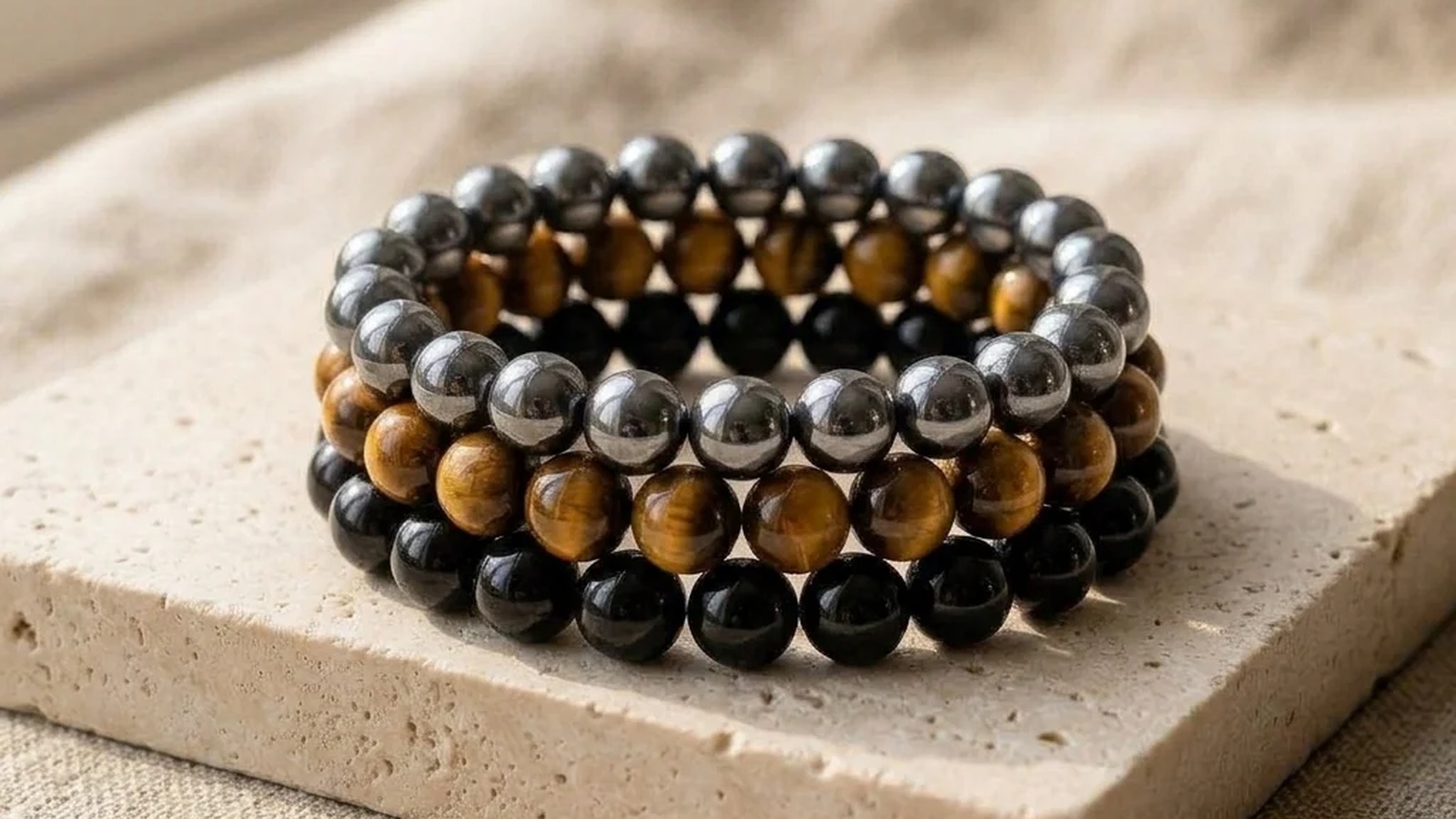
Table of Contents
- 10-Second Executive Summary / The Verdict Box
- What Is Snowflake Obsidian? (Geology, Cristobalite "Snowflakes" & Where It's Found)
- Snowflake Obsidian Meaning & Symbolism: The Stone of Purity and Balance
- Emotional & Mental Healing Properties (Emotional Balance, Stress Relief, Self-Reflection, Shadow Work)
- Spiritual & Metaphysical Properties (Grounding, Protection, Root Chakra)
- Snowflake Obsidian vs. Black Obsidian: What Actually Differs
- Who should skip snowflake obsidian?
- Step-by-step buyer checklist
- How to Use Snowflake Obsidian (Care, Cleansing, and Charging)
- Cleansing
- Charging
- Care and wear
- FAQ: Snowflake Obsidian Questions Answered
- What is snowflake obsidian good for?
- How do you use snowflake obsidian for healing?
- Is snowflake obsidian the same as black obsidian?
- How do you cleanse and charge snowflake obsidian?
- What chakra is snowflake obsidian associated with?
- Final Take
- Sources
Snowflake obsidian is a natural volcanic glass (rhyolitic obsidian) speckled with white cristobalite "snowflakes," with a Mohs hardness of about 5 to 5.5. People often choose it as a personal ritual object for self-reflection and mindfulness routines — a mirror, not a spotlight. It is not a medical treatment and should not be expected to "fix" anxiety or physical conditions.
10-Second Executive Summary / The Verdict Box
- Direct Verdict: Snowflake obsidian is a symbolic, reflective stone best used as a personal ritual and journaling focal point for self-honesty and mindful routines. It is not a medical treatment and should not be expected to "fix" anxiety or physical conditions.
- Geology: Volcanic glass with radiating cristobalite inclusions, formed by rapid cooling of felsic lava and later partial crystallization (devitrification).
- Mohs Hardness: Roughly 5–5.5. Softer than quartz; prone to scratching and chipping.
- Chakra Association: In traditional frameworks, most often associated with the root chakra, sometimes paired with the crown for "grounded awareness."
- Best For: Journaling and reflection rituals, meditation focal points, everyday carry, and anyone who finds plain black obsidian visually intense.
- Skip If: You want a hard, water-safe, jewelry-tough stone for daily wear without care — snowflake obsidian needs mindful handling.
- Buyer's Check: Look for natural, untreated specimens with crisp white cristobalite patterns; the "snowflakes" should look organic and slightly radiating, not painted-in or perfectly uniform. Treat any seller claim about "energy certification" or "treatment grades" as marketing, not verifiable fact.
What Is Snowflake Obsidian? (Geology, Cristobalite "Snowflakes" & Where It's Found)
Snowflake obsidian is an extrusive igneous rock: obsidian formed when felsic lava cooled so quickly that few crystals could grow. The white "snowflakes" are not snow and not a separate mineral layer — they are radiating inclusions of the mineral cristobalite, created through devitrification (partial crystallization) of the original glass. The Smithsonian's Q?rius collection describes exactly this: shiny black volcanic glass with gray patches resembling flowers, formed by rapid cooling of felsic lava, later developing cristobalite inclusions. Mindat classifies it as a rock subtype — "a natural volcanic glass containing white 'snowflake' crystal patterns of the mineral cristobalite."
Where it's found: documented localities include Catamarca Province, Argentina, and Millard County, Utah, USA (Sevier Lake and Black Rock Desert areas), per Mindat. Historically, Native American peoples traded snowflake obsidian extensively across North America as a valuable commodity, according to the Smithsonian record.
A practical note: because it's glass, it fractures conchoidally (curved, shell-like breaks). That same property made obsidian valuable historically for tool-making — and it's why your specimen deserves gentle handling rather than being tossed in a pocket with keys.

The Master Triple Protection Ritual Stack (Natural Tiger's Eye, Black Obsidian & Hematite)
Black obsidian is often worn as a grounding ritual piece for days that ask for steadier energy.
Shop This Authentic Piece →Snowflake Obsidian Meaning & Symbolism: The Stone of Purity and Balance
In crystal traditions, snowflake obsidian is often called the stone of purity and balance. The symbolism is intuitive: black glass representing the deep, unknown, or shadowed parts of the self, and white cristobalite "snowflakes" representing clarity, pattern, and light within that darkness. It is commonly associated with the idea that honesty and balance are not opposites of shadow — they are found within it.
This is cultural and symbolic meaning, not a scientific claim. The stone has no demonstrated physical effect; what it offers is a tangible focal point for intentions around honesty, pattern-breaking, and steadiness. Many people find that a physical object with a clear symbolic story makes reflection easier to sustain — that is the honest value of the symbolism.
Emotional & Mental Healing Properties (Emotional Balance, Stress Relief, Self-Reflection, Shadow Work)
In traditional crystal practice, snowflake obsidian is described as a prompt for observing feelings rather than being swept by them. Traditional associations include:
- Self-reflection: Holding or gazing at the stone as a prompt to name one honest feeling per day.
- Stress relief rituals: Slow breathing while holding a cool, smooth object — the ritual, not the rock, does the work.
- Shadow work: Journaling prompts about patterns you repeat, using the speckled black-and-white surface as a metaphor for mixed motives.
- Emotional balance: A reminder stone for pausing between trigger and reaction.
Honest disclaimer: These are traditional and symbolic uses only. Snowflake obsidian is not a treatment for anxiety, depression, OCD, or any mental health condition, and it does not regulate the nervous system or any bodily process. If you are struggling, please work with a qualified professional.
Spiritual & Metaphysical Properties (Grounding, Protection, Root Chakra)
In metaphysical traditions, snowflake obsidian is treated as a grounding and protective stone. "Grounding" here means a symbolic anchor to routine and the present moment — a way to slow down and notice. "Protection" in crystal lore usually refers to boundary-setting and steadiness rather than any physical shielding; it is not a scientifically verifiable effect.
Its most common chakra association is the root chakra, linked in these traditions to stability and security. Some practitioners also pair it with the crown chakra to represent "grounded awareness" — reflection that stays connected to daily life. Treat chakra associations as a cultural framework, not anatomy.
Snowflake Obsidian vs. Black Obsidian: What Actually Differs
The two stones share the same volcanic-glass base; the difference is the white cristobalite patterning and how that shapes practical use.
| Feature | Snowflake Obsidian | Black Obsidian |
|---|---|---|
| Appearance | Black glass with white cristobalite "snowflakes" | Uniform, glossy black glass |
| Symbolic tone | Gentle reflection, pattern-spotting, balance | Intensity, direct confrontation of shadow |
| Hardness | About 5–5.5 (glass, chips easily) | About 5–5.5 (same glass base) |
| Best for | Journaling, grounding meditation, beginners | Focused shadow work, those who prefer bold imagery |
| Care | Handle gently; avoid hard knocks and harsh cleaners | Same glass-level care |
| Water safety | Brief lukewarm rinse only; dry immediately | Brief lukewarm rinse only; dry immediately |
Decision guide: Choose snowflake obsidian if you want a softer, more observational tone for self-inquiry. Choose black obsidian if you want a single, uncompromising focal point. Neither is a better stone — they are different rituals.
Who should skip snowflake obsidian?
- Anyone seeking a medical or mental-health remedy — this stone is not one.
- Anyone who wants a scratch-proof, water-safe everyday stone — glass at 5–5.5 on the Mohs scale will chip and scratch.
- Anyone buying primarily for resale claims about "certified energy" — such claims cannot be verified and should not be trusted.
Step-by-step buyer checklist
- Inspect the snowflakes: natural cristobalite patterns look organic, slightly radiating, and irregular in size; painted or perfectly uniform patterns are a red flag.
- Confirm no filling or dye: white patches should be mineral inclusions part of the glass, not resin filling a crack.
- Ask about treatment: a straight answer is "none"; if the seller only talks about "energetic grade," treat the claim as unverifiable marketing.
- Check the surface: a well-cut tumbled stone should be smooth with no sharp conchoidal edges that can chip.
- Set honest expectations: buy it as a desk-side ritual object or display specimen, not as a health product.
How to Use Snowflake Obsidian (Care, Cleansing, and Charging)
Practical use is simple: keep a tumbled stone where you journal, hold it during slow breathing, or wear it as a pendant close to the body. Use it as a cue for a habit, not as a cure.
Cleansing
Because it is glass and softer than quartz, avoid ultrasonic cleaners, hot water, and harsh chemicals. Gentle approaches work best: wipe with a soft dry or slightly damp cloth, rinse briefly with lukewarm water if needed, and dry immediately. Traditional "smoke cleansing" or resting the stone on dry salt for short periods is a common ceremonial option — keep salt exposure brief and wipe afterward, since prolonged contact with any residue is unnecessary.
Charging
In crystal practice, "charging" means setting an intention. Place the stone on a dry windowsill in soft daylight (avoid prolonged harsh sun), or simply hold it and state your intention for the day. There is no measurable energy being stored; the value is the ritual and the reminder.
Care and wear
Keep it away from keys, hard surfaces, and other stones that could scratch it. Store it separately in a soft pouch. If you wear it as jewelry, check settings periodically, since glass chips at edges.
FAQ: Snowflake Obsidian Questions Answered
What is snowflake obsidian good for?
In traditional practice it is most often used as a reflection and mindfulness prompt — journaling rituals, meditation focus, and a reminder to pause before reacting. It is a symbolic and ritual tool, not a medical remedy.
How do you use snowflake obsidian for healing?
Traditional use means holding or gazing at the stone during slow breathing, keeping it near your journal, or wearing it as a visual cue for self-honesty. "Healing" here is symbolic and routine-based; it does not replace professional care.
Is snowflake obsidian the same as black obsidian?
No. Both are volcanic glass with a similar Mohs hardness, but snowflake obsidian contains white cristobalite inclusions. In practice, black obsidian is associated with intensity and snowflake obsidian with gentler reflection.
How do you cleanse and charge snowflake obsidian?
Cleanse gently with a soft cloth or brief lukewarm rinse, dry immediately, and avoid harsh cleaners, hot water, and ultrasonic devices. Charge it by setting an intention while holding it or placing it in soft daylight.
What chakra is snowflake obsidian associated with?
In traditional frameworks, most commonly the root chakra, for grounding and stability. Some practitioners pair it with the crown chakra for "grounded awareness." These are traditional associations, not scientific claims.
Final Take
Snowflake obsidian earns its place as a reflective, grounding ritual object: a natural volcanic glass with real geology behind its "snowflakes" (cristobalite) and a symbolic story that supports honest self-inquiry. Use it as a cue for journaling, breathing, and steadiness — choose natural, untreated specimens, handle them gently at about 5–5.5 on the Mohs scale, and keep expectations honest. It is a mirror, not a spotlight, and not a substitute for medical or mental health care.
Sources
Product Facts From the Current Catalog
These details come from the active Lumina Quartz catalog record checked on 2026-11-20. They are product-listing facts, not laboratory results or invented wear-test claims.
| Listed product | The Master Triple Protection Ritual Stack (Natural Tiger's Eye, Black Obsidian & Hematite) | Grade AAA Set // Lumina Quartz |
|---|---|
| Format | Bracelets |
| Listed price snapshot | 54.90 |
Price, availability, and options may change. Check the live product listing before choosing.