Jade Crystal: Spiritual Meaning, Symbolism, and Daily Use
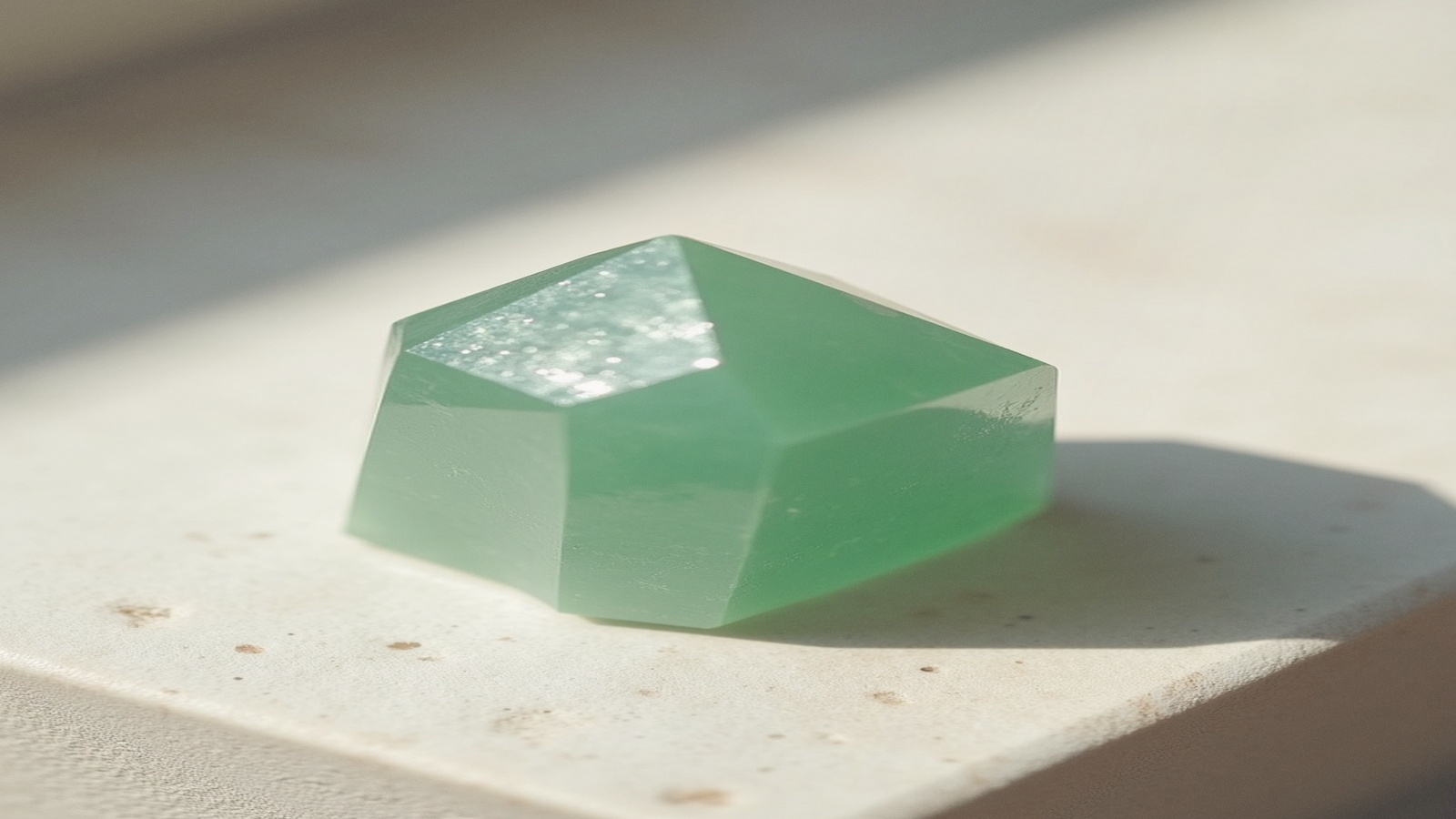
Table of Contents
- 10-Second Executive Summary / The Verdict Box
- What Is Jade Crystal? Nephrite vs. Jadeite Explained
- The Spiritual Meaning of Jade: Harmony, Prosperity, and Protection
- Jade's Healing Properties: Emotional Balance and Self-Reliance
- Jade Symbolism Across Cultures: From Ancient China to the Maya
- How to Use Jade in Daily Life: Jewelry, Meditation, and Home Décor
- Decision Table: Which Jade Form Fits Your Intent?
- Choosing and Caring for Your Jade Crystal
- Jade Birthstone and Zodiac Connections
- Frequently Asked Questions About Jade Crystal
- What does jade crystal symbolize spiritually?
- What are the healing properties of jade?
- How do I use jade in daily life or crystal healing?
- Is jade the same as nephrite or jadeite?
- Which zodiac signs or birth months are associated with jade?
- Shop Lumina Quartz Jade Pieces
- Sources
Jade is a gemstone name shared by two distinct minerals—nephrite and jadeite—and its spiritual meaning centers on harmony, prosperity, and protective calm. If you are asking what jade crystal symbolizes, the short answer is that it has been worn and carved for thousands of years as a stone of steady good fortune, moral integrity, and gentle emotional balance.
Below, we separate what jade is (verified mineral facts) from what it has meant (cultural symbolism and personal intention), so you can choose and use jade with clarity rather than guesswork.
10-Second Executive Summary / The Verdict Box
- Direct Verdict: Jade is not one mineral but two—nephrite and jadeite. Its meaning is cultural and intentional: harmony, prosperity, and protection. It is a beautiful stone for daily wear and ritual, not a medical treatment.
- Mohs Hardness: Nephrite approx. 6–6.5; Jadeite approx. 6.5–7.
- Mineral Identity: Nephrite is an amphibole (actinolite-tremolite); jadeite is a pyroxene.
- Best For: Everyday pendants and bangles, meditation focal points, home décor, and meaningful gifts.
- Quality Marker: Natural, untreated stone. At Lumina Quartz we apply the Lumina Grade AAA Integrity Standard—natural rough, zero chemical resin filling, no irradiation or dye.
What Is Jade Crystal? Nephrite vs. Jadeite Explained
"Jade" is a trade name, not a single species. Nephrite is a tough amphibole mineral long carved in China and New Zealand; jadeite is a pyroxene, rarer and often more vividly colored, historically prized in Myanmar and Mesoamerica. Both are tough enough for carving and polishing, which is why cultures on opposite sides of the world independently made them into ornaments and ritual objects.
One lovely detail: jade can be genuinely resonant. Artisans have crafted chimes, xylophones, and gongs from melodically resonant jade, and some traditions use these instruments to produce "heavenly" tones for ritual practices—Chinese poets have even compared jade's sound to the voice of a loved one (International Gem Society). That acoustic quality is one reason jade feels less like a "pretty rock" and more like an instrument of calm.
The Spiritual Meaning of Jade: Harmony, Prosperity, and Protection
Across traditions, jade is often associated with three themes:
- Harmony: its smooth, cool surface and gentle tones make it a natural symbol of balance and right relationship.
- Prosperity: in Chinese culture especially, jade is linked to steady, earned good fortune rather than sudden windfall.
- Protection: worn as an amulet, jade has long been a personal reminder of integrity and calm under pressure.
These are cultural and symbolic meanings—not guaranteed effects. Treat them as intentions you bring to the stone, not promises the stone makes to you.
Jade's Healing Properties: Emotional Balance and Self-Reliance
In crystal-wellness language, jade may support a felt sense of emotional steadiness and self-reliance. It is often associated with gentle resilience—the idea of staying grounded while life asks you to adapt. Many people use jade as a tactile anchor during meditation or journaling: holding a cool, smooth stone can cue a pause and a breath.
To be clear and honest: jade is not a treatment for anxiety, compulsive patterns, or any medical condition, and it does not regulate the nervous system. Its value is symbolic and sensory—a reminder, a ritual object, a beautiful thing to hold. If you are struggling with your mental health, please speak with a qualified professional.
Jade Symbolism Across Cultures: From Ancient China to the Maya
Jade's prestige is unusually widespread. In China it became a moral metaphor—associated with virtues like benevolence, integrity, and purity—and was carved into ritual objects, seals, and personal ornaments. In Mesoamerica, jadeite was among the most valued materials, used in elite adornment and ceremonial contexts. In Māori tradition, nephrite (pounamu) is a taonga, a treasured material with deep genealogical and spiritual significance.
The shared thread is not a single "meaning" but a shared regard: cultures independently treated jade as a stone of consequence, worthy of skill, patience, and care.
How to Use Jade in Daily Life: Jewelry, Meditation, and Home Décor
Jade is unusually easy to live with. Practical ways to use it:
- Jewelry: a pendant or bangle worn daily becomes a quiet reminder of your intention—harmony, patience, integrity. Choose settings that protect the stone from knocks.
- Meditation: hold a smooth tumbled piece or a small cabochon. Let its coolness and weight anchor you to one breath at a time.
- Home décor: a carved piece on a desk or shelf can serve as a visual cue for calm and deliberate work. Keep it away from direct sun and harsh cleaners.
- Gifting: jade is a traditional gift for milestones—often associated with good wishes for the recipient's steady fortune.
Decision Table: Which Jade Form Fits Your Intent?
Use this comparison to match the stone's form to how you actually plan to use it. Each row reflects physical and cultural realities discussed above—not guarantees of effect.
| Jade Form | Typical Material | Mohs Hardness | Best Use | Watch-Out |
|---|---|---|---|---|
| Tumbled stone | Nephrite or jadeite | 6–7 | Meditation anchor, pocket reminder | Easy to lose; keep in a small dish |
| Pendant / bangle | Usually nephrite or jadeite | 6–7 | Daily wear, personal intention | Bangles can chip; remove for sports |
| Carved décor | Nephrite or jadeite | 6–7 | Desk or shelf focal point, gifting | Avoid direct sun and harsh cleaners |
Boundary: if you want a stone for intense daily wear, favor a protective setting and a piece verified as natural and untreated under the Lumina Grade AAA Integrity Standard.
Choosing and Caring for Your Jade Crystal
Shop by honesty before color. A useful checklist:
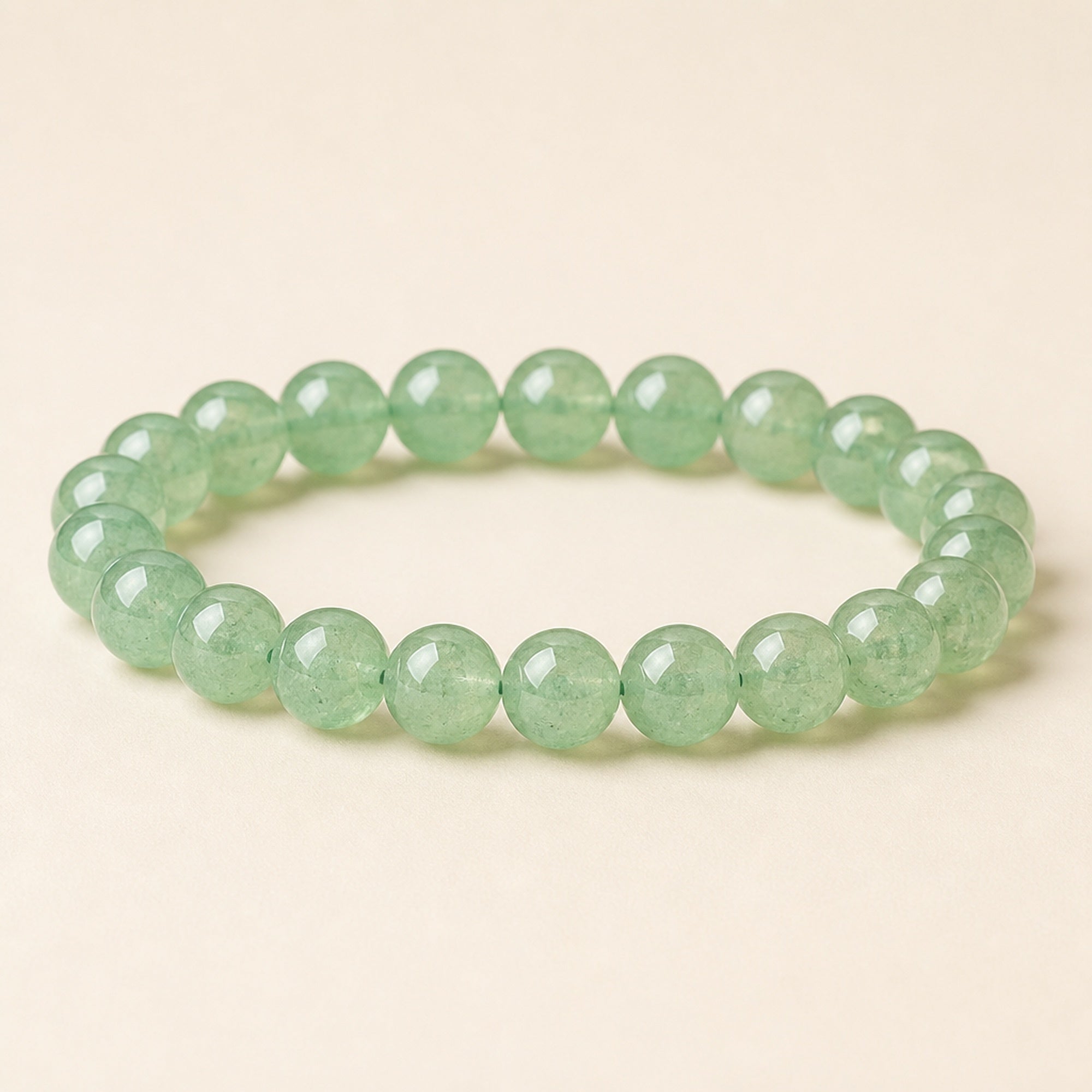
A related color-family option
Green Strawberry Quartz Bracelet – Gentle Renewal
This broader color-family option is not presented as Jade. We only identify jewelry as Jade when that exact material is verified.
Explore this related option- Ask what it is: nephrite or jadeite? Reputable sellers say so plainly.
- Ask about treatment: resin (polymer) filling and dyeing are common in the market. At Lumina Quartz, the Lumina Grade AAA Integrity Standard means natural rough, zero chemical resin filling, and no irradiation or dye.
- Look for natural variation: subtle tonal shifts and internal texture are normal in untreated stone; perfectly uniform color at a low price is a warning sign.
- Handle it: jade should feel cool and weighty for its size, with a smooth, dense surface.
- Care: wipe with a soft damp cloth, dry fully, store separately from harder stones, and avoid prolonged sun, heat, and chemical cleaners.
Jade Birthstone and Zodiac Connections
Jade is not a traditional Western birthstone, but it is often associated with May in modern alternative lists, and it appears as a zodiac-friendly stone in several traditions—most commonly linked to Taurus (for its earthy steadiness) and to signs seeking calm, such as Cancer and Libra. These associations are cultural and modern rather than scientific. If you feel drawn to jade, that pull is a perfectly valid reason to choose it.
Frequently Asked Questions About Jade Crystal
What does jade crystal symbolize spiritually?
Jade is most often associated with harmony, prosperity, and protection, and in Chinese tradition with moral integrity and purity. These are cultural and personal meanings, not guaranteed effects.
What are the healing properties of jade?
In crystal-wellness language, jade may support a felt sense of emotional balance and self-reliance and is often used as a meditation anchor. It is not a medical treatment and does not regulate the nervous system.
How do I use jade in daily life or crystal healing?
Wear it as a pendant or bangle, hold a tumbled piece during meditation or journaling, or place a carved piece on your desk as a visual cue for calm. Clean it gently with a soft damp cloth.
Is jade the same as nephrite or jadeite?
No—jade is a trade name for two different minerals. Nephrite is an amphibole with a Mohs hardness of about 6–6.5; jadeite is a pyroxene at about 6.5–7.
Which zodiac signs or birth months are associated with jade?
Jade is often associated with May in modern alternative birthstone lists and is commonly linked to Taurus, Cancer, and Libra in zodiac traditions. These are cultural associations, not scientific claims.
Shop Lumina Quartz Jade Pieces
If jade's quiet steadiness speaks to you, choose a piece you will actually wear or hold—and choose it with full transparency. Every Lumina Quartz jade selection is presented under the Lumina Grade AAA Integrity Standard: natural rough, zero chemical resin filling, and no irradiation or dye, so the stone you receive is the stone nature made.
Whether you are drawn to a daily pendant, a meditation stone, or a carved piece for your home, let jade be what it has always been: a gentle, honest companion to your intentions.
Sources
This article is for cultural and educational purposes only and does not constitute medical advice. Crystal meanings are symbolic and personal; they are not a substitute for professional care.
© 2026 Lumina Quartz