The Complete Everyday Guide to Green Moonstone: Meaning and Uses
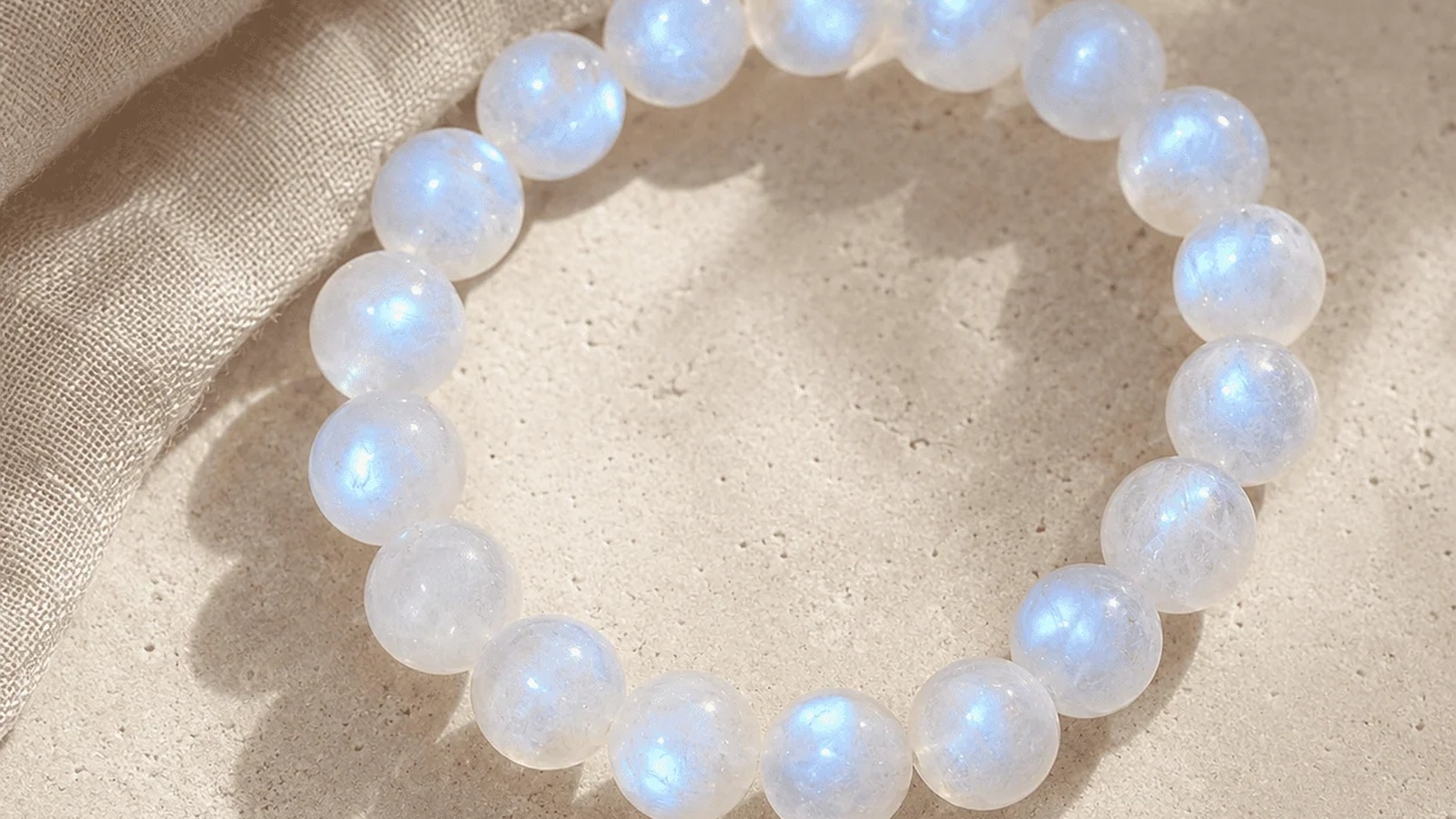
Table of Contents
- 10-Second Executive Summary / The Verdict Box
- What Is Green Moonstone? (Feldspar, Adularescence, and the Garnierite Confusion)
- Green Moonstone vs. Other Moonstones: Bodycolor, Sheen, and Value Factors
- Meaning and Metaphysical Properties: Heart Chakra, Gentle Harmony, and Emotional Balance
- Everyday Uses and Rituals: Wearing, Meditating, and Setting Intentions with Green Moonstone
- Buyer's Decision Table: Is This Green Moonstone Natural or Treated?
- How to Spot Dyed or Mislabeled Green Moonstone: A Simple Buyer's Checklist
- Care and Cleansing: Protecting a 6–6.5 Mohs Stone in Daily Life
- Quick Care Rules for Jewelry, Palm Stones, and Cabochons
- Cleansing and Charging Methods That Are Safe for Feldspar
- Frequently Asked Questions
- What is green moonstone, and is it really a type of moonstone?
- Does green moonstone contain garnierite, and how can I tell if it is dyed?
- How do I cleanse, charge, and care for green moonstone jewelry?
- How Much Does Green Moonstone Cost, and How Do I Choose a Good Piece?
- Sources
Green moonstone is a variety of the feldspar-group mineral orthoclase that shows adularescence—a soft, billowing sheen caused by light scattering between microscopic layers of feldspar—and appears in bodycolors ranging from pale green to gray-green. Its "green moonstone" name refers to the stone's bodycolor rather than a separate mineral species, and unlike blue moonstone, the green tone is usually a subtle, milky hue rather than a vivid electric shimmer.
10-Second Executive Summary / The Verdict Box
- Direct Verdict: Green moonstone is a natural green-bodied orthoclase feldspar with adularescence. It is a genuine moonstone variety, not a garnierite stone—any seller claiming garnierite content in green moonstone is mislabeling the material.
- Mohs Hardness: 6.0–6.5 (per GIA). Suitable for pendants, earrings, and gently worn rings; not ideal for hard-wear rings or bracelets that take daily impact.
- Chemistry: KAlSi₃O₈ | Specific Gravity: 2.58 | Refractive Index: 1.518–1.526
- Best Use Cases: Everyday pendants and palm stones, heart-centered meditation, intention setting, and calm, understated jewelry.
- Buying Standard: Look for natural bodycolor, a mobile sheen, and no dye pooling in cracks—criteria aligned with the Lumina Grade AAA Integrity Standard (natural rough, no chemical filling, no irradiation or dye treatment).
What Is Green Moonstone? (Feldspar, Adularescence, and the Garnierite Confusion)
Green moonstone is orthoclase feldspar with a green bodycolor and the same optical phenomenon found in other moonstones: adularescence. According to the Gemological Institute of America (GIA), moonstone forms when orthoclase and albite separate into alternating microscopic layers during formation; when light falls between these thin layers it scatters, producing the floating glow called adularescence. The GIA lists green among moonstone's accepted colors, alongside colorless, white, gray, peach, and brown.
The garnierite confusion is common and worth clearing up. Garnierite is a nickel-bearing mineral often associated with green color in other stones, but green moonstone's color comes from its feldspar composition—not from garnierite inclusions. A seller describing green moonstone as "garnierite moonstone" is using inaccurate terminology. Genuine green moonstone should show natural, slightly milky green bodycolor with a soft sheen that moves as the stone tilts.
Green Moonstone vs. Other Moonstones: Bodycolor, Sheen, and Value Factors
Moonstone's most celebrated form is the glassy, near-colorless stone with a vivid blue sheen; the GIA describes the finest moonstone as having "a mobile, electric blue shimmer." Green moonstone sits differently on that spectrum. Its value rests on a softer, more muted beauty—bodycolor and sheen quality matter more than intensity alone.
- Blue moonstone: Near-colorless body with an electric blue adularescent flash. The classic collector standard.
- White moonstone: Milky white body with a white-to-blue sheen. The most common and most affordable.
- Green moonstone: Pale to gray-green body with a gentle, often whitish sheen. Valued for color rarity rather than flash intensity.
- Rainbow moonstone: Actually a labradorite variety with a blue-and-multicolor play of color—not the same phenomenon as adularescence.
When judging a green moonstone, weigh these factors in order: natural bodycolor depth, sheen mobility (does the glow move as you tilt it?), clarity, and cut. A stone with strong natural color and a clean, mobile sheen will outperform a larger stone with a flat, static surface. Characteristic inclusions include tiny tension cracks the trade calls "centipedes"—these are natural features, not flaws to avoid outright. Under the Lumina Grade AAA Integrity Standard, a qualifying green moonstone shows no dye concentration in fractures, no filling residue, and no unnatural color saturation.
Meaning and Metaphysical Properties: Heart Chakra, Gentle Harmony, and Emotional Balance
In crystal lore, green moonstone is often associated with the heart chakra and with themes of gentle harmony, emotional steadiness, and receptive calm. These are cultural and symbolic associations, not established physical effects—green moonstone is not a treatment for anxiety, and it does not regulate the nervous system. What the stone genuinely offers is a tactile, visual anchor: a cool, smooth surface and a soft, moving glow that many people find pleasant to hold or look at during quiet moments.
Many wearers use green moonstone as a personal reminder stone—something to touch when they want to pause, breathe, and return to a softer frame of mind. That practice is valid as a mindfulness cue, and it should be framed as such. The stone may support a sense of calm through ritual and attention; it is often associated with heart-centered intention in meditation traditions. Keep the symbolism in the realm of meaning-making, and keep health decisions with qualified professionals.

Moonstone Bracelet (Grade AAA Natural Gemstone)
A quiet bracelet for turning this intention into a small daily ritual.
Shop This Authentic Piece →Everyday Uses and Rituals: Wearing, Meditating, and Setting Intentions with Green Moonstone
Green moonstone works best in low-impact, everyday contexts. Because feldspar sits at 6.0–6.5 on the Mohs scale, it is softer than quartz and far softer than diamond—so placement matters more than ceremony.
- Wearing: Pendants, earrings, and gently worn rings are the safest formats. A green moonstone ring worn daily on a dominant hand will show edge wear faster than a pendant resting against fabric.
- Meditating: Hold a palm stone or cabochon in an open hand and use the sheen as a visual focus. Tilt the stone slowly and watch the glow travel—this is a simple, honest grounding exercise.
- Setting intentions: Write one intention and place the stone beside it during a short breathing practice. Treat the stone as a cue, not a cause.
- Desk and bedside: A small cabochon on a work desk or nightstand serves as a quiet visual reminder to slow down.
Buyer's Decision Table: Is This Green Moonstone Natural or Treated?
Use this comparison to evaluate a piece before purchase. Each row pairs a common claim with what natural, untreated feldspar should actually look like.
| What You See or Hear | Natural Green Moonstone | Dyed or Mislabeled | What to Do |
|---|---|---|---|
| Color distribution | Even, slightly milky green; color sits in the body | Color concentrated in cracks and surface pits | Inspect with a loupe under bright light |
| Sheen behavior | Soft glow moves as the stone tilts | Flat or static surface; dye can mask the sheen | Tilt the stone in daylight before buying |
| Terminology | Sold as green moonstone (orthoclase feldspar) | Sold as "garnierite moonstone" or "jade moonstone" | Ask for the mineral name; walk away from invented species |
| Price signal | Moderate; green is less common than white but not exotic | Suspiciously cheap for vivid, saturated green | Compare against white and blue moonstone pricing |
| Surface condition | Occasional natural "centipede" tension cracks | Filled cracks, sticky residue, or waxy film | Confirm no chemical filling or irradiation treatment |
Items that pass every row align with the Lumina Grade AAA Integrity Standard: natural rough, zero chemical filling, and no irradiation or dye treatment. If a seller cannot confirm mineral identity and treatment status, the piece is not ready for a considered purchase.
How to Spot Dyed or Mislabeled Green Moonstone: A Simple Buyer's Checklist
- Confirm the mineral, not the marketing name. Ask whether the stone is orthoclase feldspar. Per the GIA, moonstone is a feldspar-group variety—so the honest answer names feldspar.
- Look for dye pooling. Tilt the stone and check cracks and drill holes. Dye gathers where natural color would not.
- Test the sheen. A natural adularescent glow billows across the surface. A heavily dyed or coated stone tends to look flat.
- Match price to reality. Green moonstone is a moderate-cost stone. Expect to pay more than common white moonstone for good color, and treat very low prices for vivid green as a warning.
- Ask about treatment in writing. Request confirmation of no dye, no filling, and no irradiation—and keep the record.
Care and Cleansing: Protecting a 6–6.5 Mohs Stone in Daily Life
At 6.0–6.5 Mohs, green moonstone is soft enough that ordinary contact can dull its polish. The GIA notes that moonstone's characteristic inclusions include small tension cracks; these can be stressed by knocks, hot water, or cleaning agents. Careful handling preserves both the surface and the sheen.
Quick Care Rules for Jewelry, Palm Stones, and Cabochons
- Jewelry: Remove rings, bracelets, and pendants before exercise, housework, or swimming. Store in a soft pouch rather than loose in a box with harder stones like quartz or sapphire.
- Palm stones: Keep them away from keys, coins, and grit in bags or pockets; a microfiber pouch is enough to prevent surface scuffs.
- Cabochons and settings: Check prongs and bezels periodically—soft feldspar chips at the edges if a setting loosens.
- Cleaning: Wipe with a soft, damp cloth and dry immediately. Avoid ultrasonic cleaners, steam, and harsh chemicals.
Cleansing and Charging Methods That Are Safe for Feldspar
Gentle methods are the right methods for this stone. Rinse briefly in lukewarm water and pat dry, or leave the piece on a windowsill in indirect morning light. Avoid prolonged soaking, salt-water baths, and temperature swings—feldspar's internal tension cracks can worsen with thermal stress. For charging, many people simply rest the stone on a clean cloth in soft daylight; no elaborate method is required, and nothing about the stone's physical nature changes as a result.
Frequently Asked Questions
What is green moonstone, and is it really a type of moonstone?
Yes. Green moonstone is orthoclase feldspar with a green bodycolor and adularescence, and the GIA lists green among recognized moonstone colors. It is a genuine moonstone variety, not a separate mineral.
Does green moonstone contain garnierite, and how can I tell if it is dyed?
No—green moonstone's color comes from its feldspar composition, not garnierite, and "garnierite moonstone" is inaccurate labeling. To spot dye, check that color sits in the stone rather than in cracks, and confirm the sheen still moves when you tilt the piece.
How do I cleanse, charge, and care for green moonstone jewelry?
Wipe with a soft damp cloth, dry promptly, and store in a pouch away from harder stones; avoid ultrasonic cleaners, steam, salt water, and hot-water soaks. Gentle indirect daylight is a safe way to "charge" the piece without stressing a 6.0–6.5 Mohs feldspar.
How Much Does Green Moonstone Cost, and How Do I Choose a Good Piece?
Green moonstone generally falls in the moderate range—more than common white moonstone for good color, and typically less than top blue moonstone with an electric sheen. Price rises with bodycolor depth, sheen mobility, clarity, size, and cut quality. None of these factors should be traded for a marketing label.
To choose well: prioritize sheen movement over size, verify natural color under daylight, ask for treatment disclosure, and choose jewelry formats suited to the stone's softness. A well-chosen pendant or palm stone from the Lumina Grade AAA Integrity Standard supply—natural, untreated feldspar—will serve you for years with modest care.
This guide shares educational information and cultural associations. Crystal symbolism is not medical advice; for any health concern, please consult a qualified professional. Mineral data cited from the Gemological Institute of America.
© 2026 Lumina Quartz
Sources
Product Facts From the Current Catalog
These details come from the active Lumina Quartz catalog record checked on 2026-11-05. They are product-listing facts, not laboratory results or invented wear-test claims.
| Listed product | Moonstone Bracelet (Grade AAA Natural Gemstone) | New Beginnings & Intuition Jewelry // Lumina Quartz |
|---|---|
| Format | Bracelet |
| Listed price snapshot | 59.00 |
Price, availability, and options may change. Check the live product listing before choosing.