The Complete Everyday Guide to Aventurine Crystal: Meaning and Uses
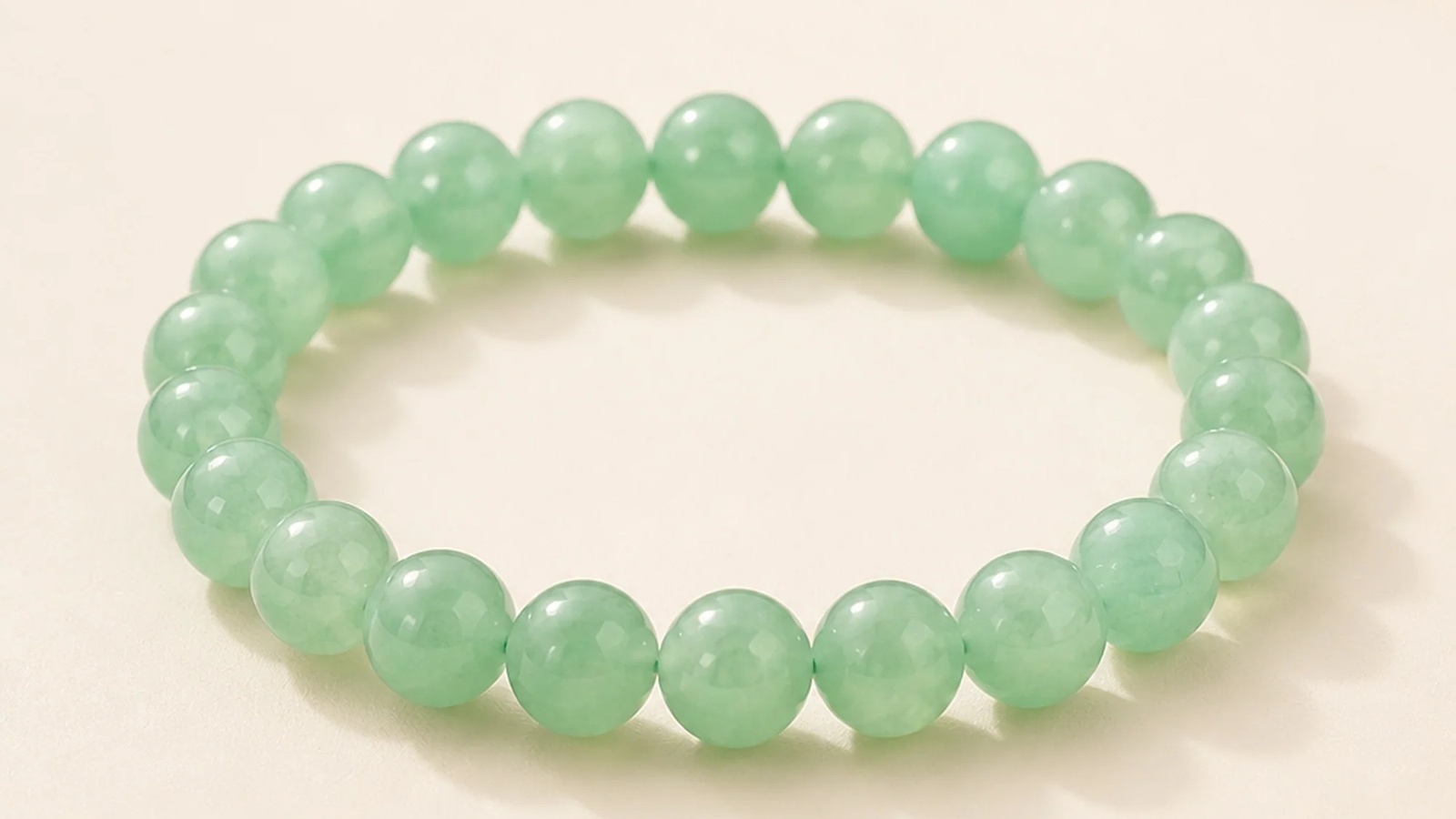
Table of Contents
- What Is Aventurine? Science, Origin, and the 'Aventurescence' Effect
- 10-Second Executive Summary: The Verdict
- Aventurine Meaning: The Stone of Opportunity, Luck, and Abundance
- Healing Properties and Emotional Benefits of Aventurine
- Aventurine and the Heart Chakra
- Everyday Uses: How to Wear and Work With Aventurine Crystal
- Jewelry, Desk Stones, and Meditation Practices
- Choosing Quality Aventurine: Color, Authenticity, and Care Tips
- Real Aventurine vs. Aventurine Glass vs. Lookalikes: A Step-by-Step Check
- Aventurine vs. Aventurine Glass and Similar Stones
- FAQ: Quick Answers on Aventurine Crystal Meaning and Uses
- What does an aventurine crystal mean spiritually?
- What are the healing properties and benefits of aventurine?
- How can I tell real aventurine from aventurine glass or fake stones?
- Sources
What Is Aventurine? Science, Origin, and the 'Aventurescence' Effect
Aventurine is a translucent to opaque variety of quartz, defined by its sparkling "aventurescence" — tiny inclusions of minerals such as mica, hematite, or fuchsite that catch the light and give the stone a shimmering, starry glow. On the Mohs hardness scale, quartz-based aventurine registers a solid 6.5–7, which means it takes a good polish, wears well in everyday jewelry, and is soft enough to scratch if stored carelessly against harder gems.
Most commercial aventurine is green, colored by fuchsite (a chromium-bearing mica), though you will also see peach, orange, red, yellow, blue, and grey tones. The green variety remains the best known and the most widely used in spiritual and decorative contexts.
10-Second Executive Summary: The Verdict
- Direct Verdict: Aventurine is a genuine quartz variety, not a gemstone in the strict sense. It is best understood as a stone of opportunity and gentle optimism — a traditional symbol, not a medical or psychological treatment.
- Mohs Hardness: 6.5–7 (quartz family), so it is durable for everyday wear but should be kept away from harder stones and harsh chemicals.
- Key Physical Marker: Aventurescence — sparkly, mica-like inclusions that twinkle under light. A uniform, glassy surface with no internal shimmer is a warning sign of imitation.
- Chakra Association: Traditionally linked with the Heart Chakra.
- Best For: Daily jewelry, a desk stone, journaling or meditation focus, and meaningful gifting.
- Not For: Replacing medical, therapeutic, or financial advice. Metaphysical meanings are cultural and symbolic.
Aventurine Meaning: The Stone of Opportunity, Luck, and Abundance
In popular crystal lore, aventurine is often called the "Stone of Opportunity" and is associated with luck, abundance, and a sense of openness to new possibilities. These are cultural meanings rather than scientifically proven effects. Many people use aventurine as a tangible reminder to notice small openings in their day — a habit that may support a more optimistic outlook without any promise of changing outcomes.
Green aventurine, with its gentle, leafy shimmer, is frequently connected to growth and renewal, while peach and orange varieties are often associated with warmth, creativity, and personal confidence. If you are drawn to one color, let that preference guide you; the meaning you assign yourself is part of the practice.
Healing Properties and Emotional Benefits of Aventurine
Aventurine's reputed "healing properties" belong to the language of crystal traditions, not clinical medicine. With that clear boundary, many people value aventurine for calm, grounding rituals: holding the stone during a slow breath, placing it on a workspace, or carrying it as a reminder to pause. These uses may support mindfulness habits, and the symbol of opportunity is often associated with feelings of encouragement and hope.
No crystal replaces professional care. If you are dealing with ongoing stress, anxiety, or health concerns, a qualified practitioner is the right first step — aventurine can sit alongside that support as a small, personal symbol, never a substitute.
Aventurine and the Heart Chakra
In chakra traditions, aventurine is most often linked with the heart chakra, the center associated with compassion, connection, and emotional openness. Practitioners sometimes place a green aventurine stone over the chest during quiet reflection or hold it while naming something they are grateful for. This is a symbolic and meditative practice; it is not a method of treating or regulating any physical or emotional condition.
Everyday Uses: How to Wear and Work With Aventurine Crystal
The simplest way to use aventurine is the way that fits your actual routine — a bracelet you already reach for, a stone already on your desk. Consistency matters more than ritual complexity.
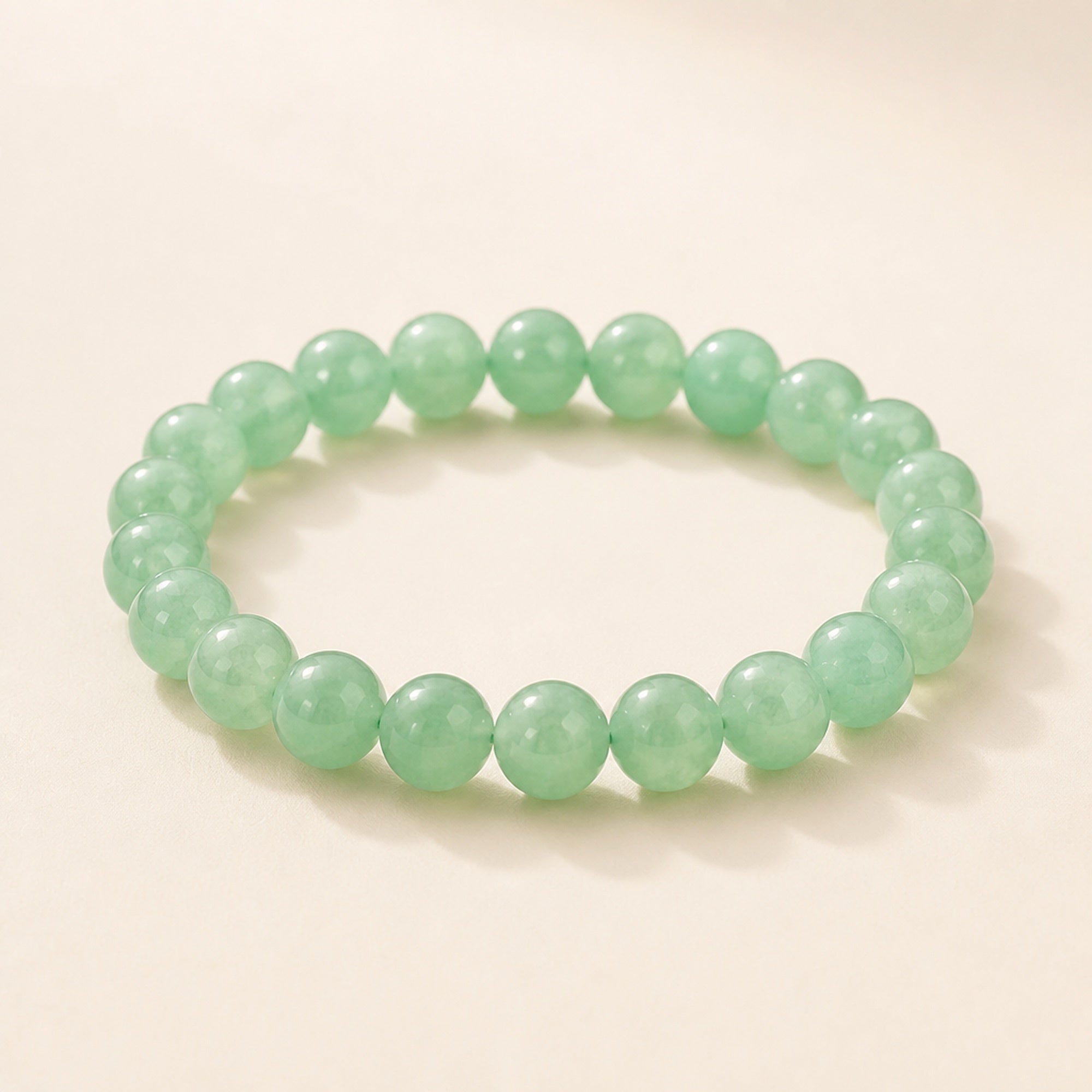
Green Aventurine Opportunity Bracelet
A quiet bracelet for turning this intention into a small daily ritual.
Shop This Authentic Piece →Jewelry, Desk Stones, and Meditation Practices
Jewelry: Aventurine bracelets, pendants, and rings are common. Because the stone rates 6.5–7 on Mohs hardness, it handles daily wear, but remove it before swimming, cleaning, or heavy exercise, and store it separately so harder gems do not scratch it.
Desk stones: Keep a tumbled aventurine near your keyboard or in a drawer. Let it serve as a cue: when you notice it, ask one honest question — "what small opportunity have I overlooked today?" That reflective habit, not the stone itself, does the work.
Meditation and journaling: Hold a smooth piece in your palm during a few minutes of quiet breathing, or set it beside your journal. Some people write one sentence about an opportunity they want to stay open to. Use it as a focus object for gentle reflection, and let the practice be brief and repeatable.
Choosing Quality Aventurine: Color, Authenticity, and Care Tips
Real aventurine shows aventurescence: fine, glittery inclusions distributed unevenly through the stone, with slight tonal variation. A practiced eye looks for depth and natural irregularity rather than a flat, perfectly even color.
For quality and authenticity, we apply the Lumina Grade AAA Integrity Standard: natural rough stone, zero chemical resin filling, and no irradiation or dye treatment. When inspecting a piece, look for internal shimmer that shifts as you rotate it, natural color zoning, and consistent translucency — hallmarks of untreated quartz rather than a coated or glass imitation.
Care: Clean with lukewarm water and a soft cloth. Avoid ultrasonic cleaners, steam, and prolonged sun or chemical exposure. Store it in a pouch or separate compartment to prevent scratches.
Real Aventurine vs. Aventurine Glass vs. Lookalikes: A Step-by-Step Check
Use this checklist sequentially. Each step narrows the field, and no single step is decisive alone.
- Rotate under light. Genuine aventurine shows intermittent, point-like sparkle (mica or hematite inclusions) that appears and disappears as the angle changes. Aventurine glass ("goldstone") sparkles uniformly from every angle, with dense, metallic glitter.
- Check the shimmer density. Natural inclusions are scattered, sometimes clustered, and often visible only in patches. Uniformly packed sparkle across the entire surface points to manufactured glass.
- Look for air bubbles. Bubbles, swirl lines, or a glassy surface sheen are strong signs of glass, not quartz.
- Compare hardness expectations. Quartz is 6.5–7 on Mohs. If a piece feels unusually light or scratches like plastic, question it.
- Distinguish dyed stone. Dye often collects in cracks and looks unnaturally saturated. Under magnification, untreated aventurine shows natural color variation.
- Compare with similar stones. Green aventurine is often confused with prehnite (softer, more yellow-green), chrysoprase (more opaque, apple-green), and dyed quartz. Aventurine's defining trait is the sparkle, not just the green.
- Ask suppliers the right questions. Inquire about treatment, origin, and whether the piece is natural quartz. A supplier who applies the Lumina Grade AAA Integrity Standard will be able to state clearly that the stone is natural, unfilled, and untreated.
Boundary of this method: Visual checks identify common imitations but cannot certify origin or treatment. For a high-value purchase, seek a professional gemological assessment.
Aventurine vs. Aventurine Glass and Similar Stones
Although "aventurine" is used as a commercial term for several kinds of stones, in most retail settings it refers to the green quartz variety. The main confusion is with aventurine glass, also sold as goldstone — a manufactured material with dense, uniform metallic sparkle and often visible bubbles. For a fuller mineralogical perspective, see the Mindat entry on aventurine.
Among natural lookalikes, prehnite is typically softer and more yellow-green, while chrysoprase is more opaque and apple-toned. Aventurine's twin signatures are its quartz hardness and its scattered, mica-like flash. If a "green aventurine" piece is flawlessly uniform, unusually cheap, and sparkles like glitter, it is probably glass.
FAQ: Quick Answers on Aventurine Crystal Meaning and Uses
What does an aventurine crystal mean spiritually?
Aventurine is traditionally called the Stone of Opportunity and is often associated with luck, abundance, and openness to new possibilities. These meanings are cultural and symbolic rather than scientifically established.
What are the healing properties and benefits of aventurine?
In crystal traditions, aventurine is linked with calm, optimism, and heart-centered reflection. It may support mindfulness rituals but is not a medical treatment and should not replace professional care.
How can I tell real aventurine from aventurine glass or fake stones?
Real aventurine shows scattered, angle-dependent sparkle from natural inclusions and has a Mohs hardness of 6.5–7. Aventurine glass sparkles uniformly from all angles, often contains air bubbles, and is softer — apply the checklist above, and seek professional assessment for high-value pieces.
Disclaimer: This article is for general information and cultural interest only. It does not provide medical, psychological, or financial advice. Aventurine's metaphysical meanings are traditional and symbolic. © 2026 Lumina Quartz.
Sources
Product Facts From the Current Catalog
These details come from the active Lumina Quartz catalog record checked on 2026-10-27. They are product-listing facts, not laboratory results or invented wear-test claims.
| Listed product | Green Aventurine Opportunity Bracelet |
|---|---|
| Format | Bracelet |
| Listed price snapshot | 38.00 |
Price, availability, and options may change. Check the live product listing before choosing.