Turquoise Crystal: Spiritual Meaning, Symbolism, and Daily Use
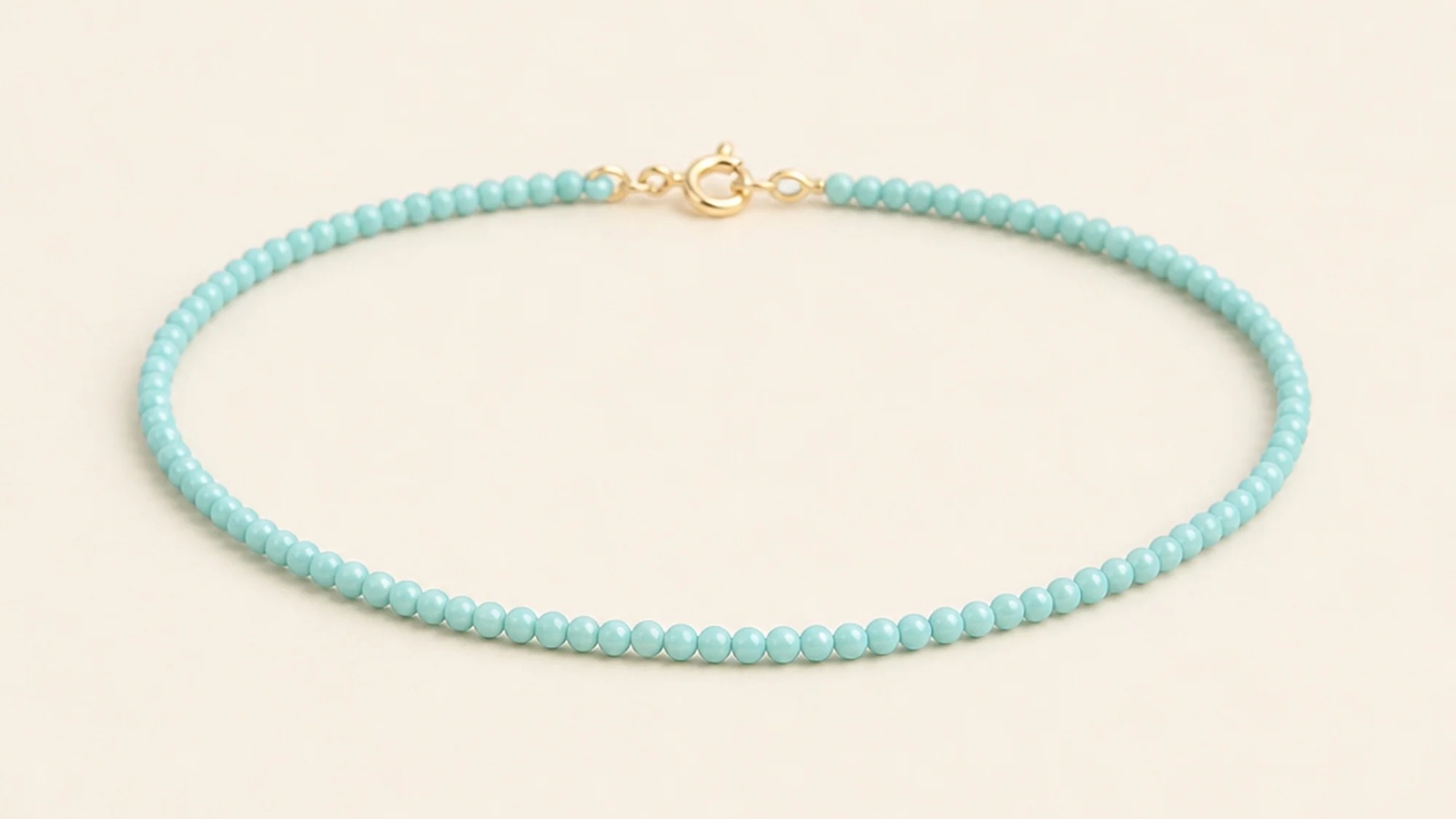
Table of Contents
- What Is Turquoise Crystal?
- 10-Second Executive Summary / The Verdict Box
- Spiritual Meaning and Symbolism of Turquoise
- Protection, Health, and Good Fortune
- Sky and Water: Color Symbolism
- Turquoise in History and Culture
- Healing Properties and Energy
- Daily Use: How to Wear and Work with Turquoise
- Choosing and Caring for Turquoise Jewelry
- Turquoise Buyer's Checklist: Natural vs. Treated
- FAQs About Turquoise Crystal Meaning
- What does turquoise crystal symbolize spiritually?
- How do you use turquoise crystal daily?
- How do you cleanse and care for turquoise jewelry?
- Sources
What Is Turquoise Crystal?
Turquoise is a hydrated copper aluminum phosphate mineral, and the crystal meaning most often associated with it is protection, health, and good fortune — a reading rooted in centuries of Tibetan, Persian, and Native American tradition. It forms only in dry, barren environments, which is part of why its sky-blue color has long felt like a small miracle of the earth. Colors range from bright "robin's-egg" blue to greenish blue, avocado, and lime green (GIA GemKids). The name itself comes from the French pierre tourques, or "Turkish stone," a thirteenth-century label (GIA).
10-Second Executive Summary / The Verdict Box
Direct Verdict: Turquoise crystal meaning centers on protection, health, and good fortune — a stone of quiet steadiness rather than dramatic energy.
- Mineral class: Hydrated copper aluminum phosphate
- Mohs Hardness: 5–6 (softer than quartz; treat with care)
- Typical colors: Robin's-egg blue, greenish blue, avocado, lime green
- Formation setting: Arid, barren regions only
- Best for: Daily-wear pendants, protection-focused intentions, meaningful gifts (including 11th wedding anniversaries)
- Care note: Keep away from harsh chemicals, heat, and prolonged water exposure
Spiritual Meaning and Symbolism of Turquoise
Protection, Health, and Good Fortune
Turquoise is the national gem of Tibet and has long been considered a stone that "guarantees health, good fortune, and protection from evil" (GIA). In contemporary crystal practice, these associations are often used as symbolic reminders: a turquoise pendant may support a personal intention toward safety, resilience, or gratitude, though it is a cultural and personal touchstone rather than a medical or psychological treatment.
Sky and Water: Color Symbolism
The stone's palette carries its own quiet language. The prized robin's-egg blue evokes open sky, while greener tones lean toward water and renewal. Turquoise jewelry is also a traditional gift for the 11th wedding anniversary, where its colors "symbolize a prosperous and healthy future" (GIA 4Cs).
Turquoise in History and Culture
Turquoise's name traveled from thirteenth-century French trade routes, but its story is far older and more local. Because the stone forms only in dry, barren places, it became closely tied to desert cultures. In the United States, turquoise is especially famous for jewelry made by Native American artisans (GIA GemKids). Treat these living traditions with respect: the stone's cultural weight is real, and it is often carried as a symbol of protection and well-being rather than as decoration alone.
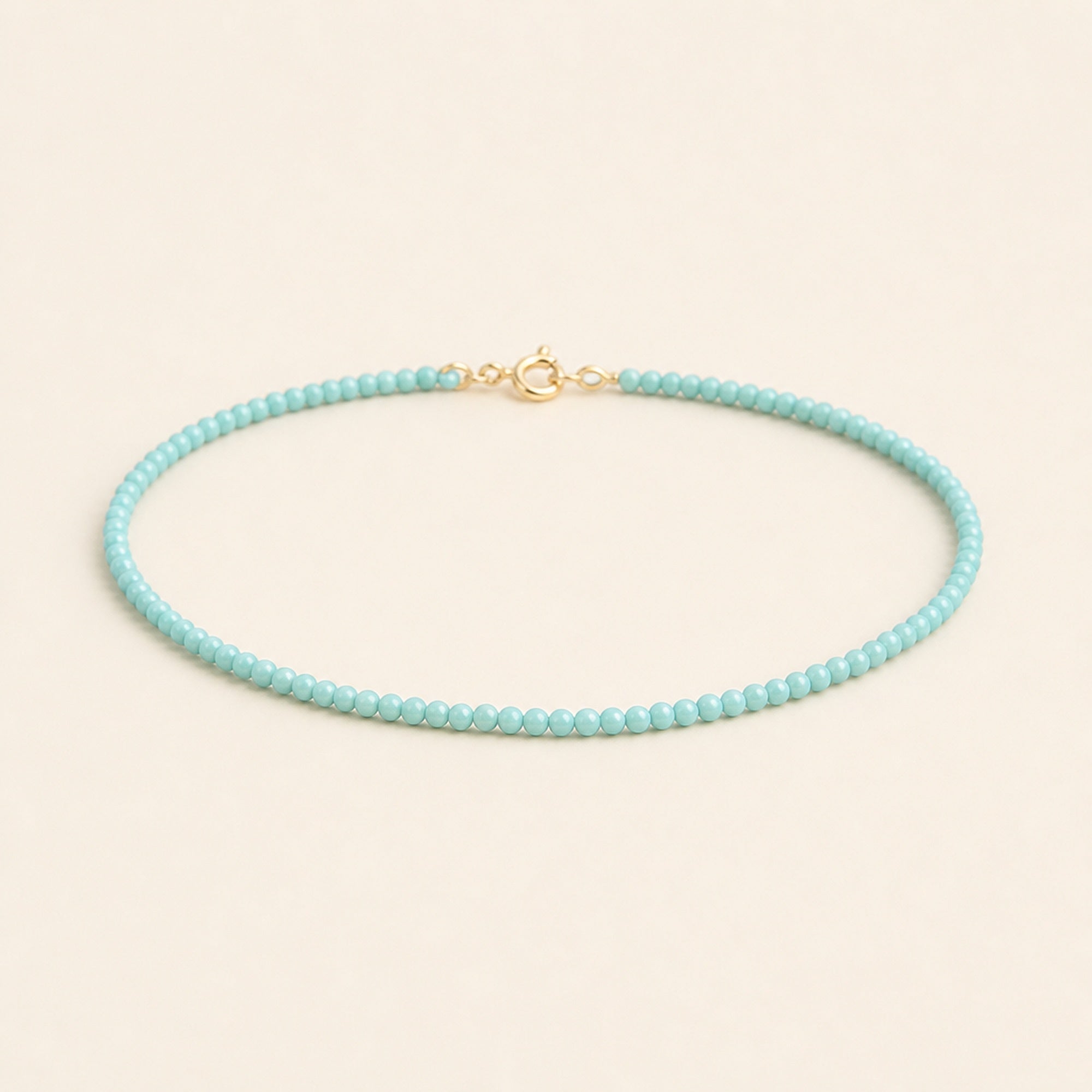
Turquoise Bracelet
A quiet bracelet for turning this intention into a small daily ritual.
Shop This Authentic Piece →Healing Properties and Energy
Traditional lore frames turquoise as a stone that may support a sense of calm and protection, and it is often associated with health and good fortune (GIA). These are cultural and symbolic meanings, not medical claims. If you are drawn to turquoise during a stressful season, the honest way to work with it is as a grounding cue — something that reminds you to pause, breathe, and return to your own steadiness. It does not replace care from a qualified professional.
Daily Use: How to Wear and Work with Turquoise
A simple, repeatable practice anchors turquoise meaning better than an elaborate ritual. Try this three-step daily approach:
- Choose one piece, not five. A single pendant or ring keeps the intention clear.
- Set a one-sentence intention when you put it on — for example, "I move through today protected and steady."
- Check in at the end of the day. Notice whether the stone served as a reminder; let that be the measure, not a promised outcome.
For wear, turquoise sits at Mohs 5–6, so it is best worn where it won't strike hard surfaces. A necklace or protected ring setting is more forgiving than a bracelet on a busy wrist.
Choosing and Caring for Turquoise Jewelry
Selection comes down to three practical questions: Is it natural or treated? Is the color stable and honest? Is the setting protective enough for daily wear?
Turquoise Buyer's Checklist: Natural vs. Treated
- Ask about treatment directly. Much commercial turquoise is stabilized or treated to improve durability; natural, untreated material is rarer and should be priced accordingly.
- Apply the Lumina Grade AAA Integrity Standard: natural rough stone, zero chemical polymer filling, and no irradiation or dye enhancement. Ask your seller to confirm this in writing.
- Look for color consistency with the stone's nature. Natural turquoise can show subtle variation and matrix lines; perfectly uniform, neon-bright color is a prompt to ask questions.
- Respect the hardness limit. At Mohs 5–6, turquoise scratches more easily than quartz or sapphire — choose protective bezel settings for rings and bracelets.
- Check care claims. Avoid harsh chemicals, heat, and long soaking; wipe with a soft dry cloth and store separately from harder stones.
FAQs About Turquoise Crystal Meaning
What does turquoise crystal symbolize spiritually?
Turquoise is traditionally associated with protection, health, and good fortune, especially in Tibetan and Native American traditions (GIA). Many use it as a symbolic reminder of steadiness rather than as a healing treatment.
How do you use turquoise crystal daily?
Wear one piece, set a single-sentence intention when you put it on, and treat it as a grounding cue you check in with at day's end. Keep it out of harsh chemicals, heat, and long water exposure.
How do you cleanse and care for turquoise jewelry?
Because turquoise is Mohs 5–6, use gentle methods: wipe with a soft dry cloth, avoid chemical cleaners, heat, and soaking, and store it separately from harder gemstones. For natural, untreated stones, confirm any cleansing method with your jeweler first.
Sources
- GIA — Turquoise History and Lore
- GIA GemKids — Turquoise
- GIA 4Cs — Wedding Anniversary Gemstone List, Years 11–20
© 2026 Lumina Quartz. This article shares cultural and mineralogical information, not medical advice. Crystal meanings are symbolic and personal; they do not replace professional care.
Product Facts From the Current Catalog
These details come from the active Lumina Quartz catalog record checked on 2026-11-03. They are product-listing facts, not laboratory results or invented wear-test claims.
| Listed product | Turquoise Bracelet – Open-Sky Expression |
|---|---|
| Format | Bracelet |
| Listed price snapshot | 36.99 |
Price, availability, and options may change. Check the live product listing before choosing.