The Complete Everyday Guide to Unakite Crystal: Meaning and Uses
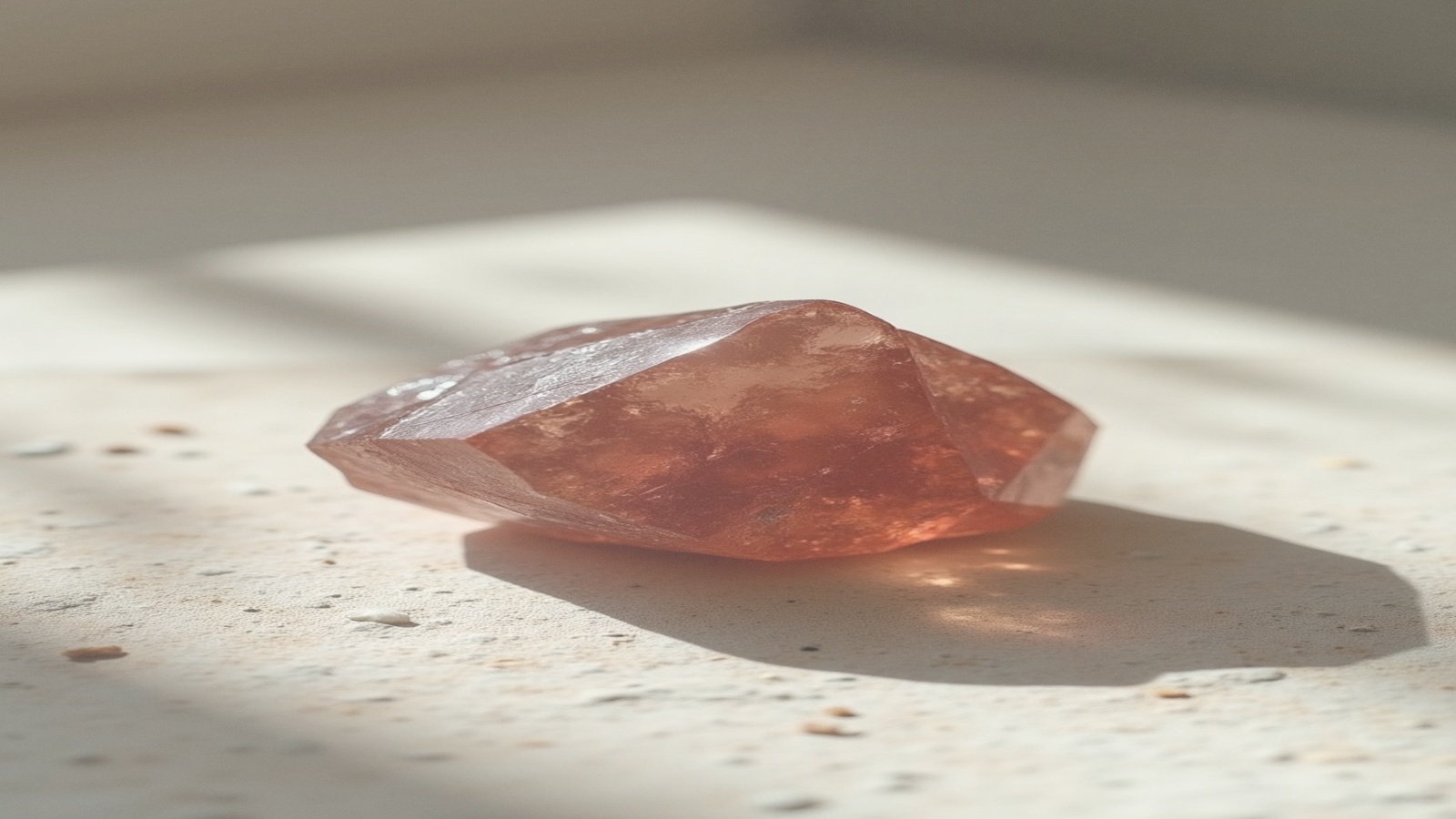
Table of Contents
- What Is Unakite Crystal? The Pink-and-Green Rock Explained
- The Verdict Box — 10-Second Executive Summary
- How Unakite Forms and Where It Comes From
- Unakite vs. Epidosite and "Unakite Jasper"
- Unakite Meaning and Metaphysical Properties
- Heart and Third Eye Chakras, the Journey Stone
- Everyday Uses: Jewelry, Tumbled Stones, and Home Decor
- How to Tell Real Unakite from Fakes and Mislabeled Stones
- Cleansing, Charging, and Care Tips for Unakite
- Buying Guide: Quality, Origins, and What to Look For
- Decision Table: Which Unakite Format Fits Your Need?
- FAQ: Common Questions About Unakite Crystal
- What is unakite crystal and what is it made of?
- What does unakite crystal mean spiritually and which chakras does it work with?
- How do I tell if unakite is real vs fake or dyed?
- How should I cleanse, charge, and care for unakite jewelry?
- Is unakite safe to wear every day and is it good for jewelry?
- Sources
What Is Unakite Crystal? The Pink-and-Green Rock Explained
Unakite is a metamorphic rock composed mainly of green epidote, pink-orange potassium feldspar, and translucent quartz—so what most people call a "unakite crystal" is actually a natural mineral aggregate cut from altered granite, not a single crystal. That mix is why no two pieces look alike: the epidote supplies the mossy green, the feldspar the salmon pink, and the quartz the milky glassy patches. For readers deciding whether to buy, wear, or work with it, the practical answer is that unakite is a durable, affordable, honestly colored stone that is best judged by visible mineral pattern rather than by any single "perfect" color.
The Verdict Box — 10-Second Executive Summary
- Direct Verdict: Unakite is a natural pink-and-green rock (epidote + potassium feldspar + quartz), not a dyed or synthetic stone—real pieces show irregular, interlocking mineral patches rather than uniform color. It is a sensible everyday stone for jewelry and home accents, but it is not a gem-grade faceting material.
- Mohs Hardness: Roughly 6–7 as a mixed rock (quartz ~7, feldspar ~6, epidote ~6–7), so it resists scratches in daily wear but can chip at thin edges.
- Composition: Epidote (CaCa)(AlAlFe³⁺)O[Si₂O₇][SiO₄](OH), K-feldspar, and quartz—confirmed by Mindat's rock classification.
- Best For: Beads, cabochons, tumbled stones, worry stones, and small decorative slabs; a grounding "journey stone" often associated with heart and third-eye themes.
- Skip It If: You want a transparent faceted gemstone, perfectly uniform color, or a stone you can safely clean with harsh chemicals or ultrasonic cleaners.
- Quality Anchor: Look for the Lumina Grade AAA Integrity Standard—natural rough, no chemical resin stabilization, no irradiation, no dye—so the pink and green you see are the pink and green that formed in the ground.
How Unakite Forms and Where It Comes From
Unakite forms when granitic rock is altered by low- to medium-temperature hydrothermal fluids, a metasomatic process that converts some of the original minerals into epidote while leaving potassium feldspar and quartz largely intact. Mindat classifies it as a metasomatic rock and notes that it is principally composed of epidote, K-feldspar, and quartz. The familiar name has American roots: according to the Smithsonian's historical record, a specimen from the Blue Ridge in Virginia was sent to the U.S. National Museum in 1884 and entered among the granites under the caption "unakite." That origin story explains why early references tie the stone to the Unaka range along the North Carolina–Tennessee border region.
Today, unakite rough appears in several distinct geological settings. Mindat's locality gallery shows material from South Africa (sometimes traded as "Rose Garden"), Virginia's Pompton Granite and Vesuvius quarry areas, the Northern Territory of Australia, Queensland gem gravels near Rubyvale, and Mexico. Different sources produce noticeably different looks: Virginia material often shows a tighter pink-green balance, while some Australian and African rough leans greener or more mottled. If a seller claims a specific origin, ask for a locality card or lot photo—reputable rough dealers usually keep that record.
Unakite vs. Epidosite and "Unakite Jasper"
These three names get tangled constantly, so here is the clean distinction. Unakite is epidote plus potassium feldspar plus quartz. Epidosite is a related rock dominated by epidote and quartz with little or no pink feldspar—it appears green and granular, with no salmon patches at all. "Unakite jasper" is a trade term, not a geological one: sellers often apply "jasper" loosely to any opaque, patterned stone, but true jasper is a microcrystalline quartz, which unakite is not. If you are shopping and the listing says "unakite jasper," treat it as a marketing label and inspect the actual mineral mix—if you see distinct pink feldspar and green epidote, you are looking at unakite regardless of the word "jasper."
Unakite Meaning and Metaphysical Properties
In crystal lore, unakite is often called the "journey stone," a nickname tied to its balanced pink-and-green palette and its association with gradual, patient change rather than sudden transformation. These are cultural and symbolic meanings, not physical properties of the rock. The pink is traditionally linked with the heart, the green with growth and the natural world, and the combination is often associated with steady self-awareness and gentle forward movement. Many people use a tumbled piece as a pocket reminder during transitions—a new job, a move, a habit they are rebuilding—which is a personal practice, not a medical or therapeutic claim.
Heart and Third Eye Chakras, the Journey Stone
In modern chakra frameworks, unakite is most often placed with the heart chakra (associated with compassion and emotional steadiness) and the third-eye chakra (associated with insight and perspective). Writers in this tradition describe it as a stone that "bridges" feeling and seeing—hence the journey association. Keep the framing accurate: these are spiritual and cultural interpretations used for reflection and ritual. Unakite may support a mindful pause or serve as a visual cue for intention, but it does not treat, cure, or regulate any physical or mental health condition, and no stone should replace professional care.
Everyday Uses: Jewelry, Tumbled Stones, and Home Decor
Unakite's 6–7 Mohs range makes it practical for everyday adornment, with a few sensible limits. Beaded bracelets, pendants, and cabochon rings set in protective bezels hold up well to normal wear; thin carved points, delicate inlay, and rings with exposed edges are more prone to chipping. Because the stone is opaque and takes a soft polish, it is rarely faceted—most jewelry uses smooth cabochons, rounds, and freeform shapes that show the mottled pattern.
Tumbled unakite is one of the most versatile formats: it is inexpensive, pleasant in the hand, and forgiving of the occasional knock. Home uses work well too—polished slabs make distinctive coasters or shelf pieces, and small rough clusters suit planters and desk arrangements. One practical caution: unakite is a rock, not a sealed gemstone, so avoid leaving polished pieces in prolonged direct sun (some feldspar can fade over long exposure) and keep them away from acidic cleaners and ultrasonic baths, which can attack feldspar and any resin-filled surface.
How to Tell Real Unakite from Fakes and Mislabeled Stones
Real unakite is difficult to fake convincingly because its pattern is mineralogical, not painted on. Here is a field checklist you can run in under a minute at a market or on arrival at home:
- Look for interlocking, irregular patches. Genuine epidote and feldspar meet in ragged, natural boundaries. Dyed stones show color pooling in cracks, uniform saturation, or a faint "bleed" between grains.
- Check the green. Natural epidote green is pistachio-to-olive and slightly granular. Bright, flat, candy-like green is a red flag for dye or for mislabeled stones such as dyed howlite or green aventurine sold as unakite.
- Check the pink. Potassium feldspar reads salmon to brick-pink and looks cloudy, not translucent ruby-pink. Clear pink is usually something else entirely.
- Look for quartz windows. Small translucent gray-white quartz patches are normal and expected; a stone with zero visible quartz and zero visible feldspar is probably epidosite, not unakite.
- Weigh the price against the pattern. Large, perfectly uniform pink-and-green "unakite" at a bargain price is usually dyed or composite. Honest sellers price by pattern quality and size, not by mystique.
This is where the Lumina Grade AAA Integrity Standard matters in practice: it means the piece is natural rough, with no chemical resin stabilization, no irradiation, and no dye. Ask any seller directly whether the material has been stabilized or color-enhanced—legitimate dealers answer without hesitation, and the answer should be visible in the stone itself.
Cleansing, Charging, and Care Tips for Unakite
Unakite tolerates water and gentle handling; the main risks are heat, harsh chemicals, and physical knocks. A practical care routine:
- Cleanse gently: wipe with a damp soft cloth or rinse briefly in lukewarm water, then dry fully. Avoid hot water, which can stress any resin or fracture fill.
- Skip the harsh stuff: no bleach, no acidic cleaners, no ultrasonic or steam cleaners on polished or jewelry-set pieces.
- Charge in indirect light: moonlight or brief morning sun is fine; long direct sun exposure may fade feldspar color over time.
- Store separately: keep polished pieces in a soft pouch so harder quartz in neighboring stones does not scratch them.
- Mind the setting: check bezels and prongs periodically, since chipped edges are the most common damage on unakite rings.
For symbolic cleansing, many people use sound (a bell or singing bowl), dry salt in a sealed bag, or simply setting an intention with the stone—these are personal rituals, not requirements, and none of them are needed for the stone's physical care.
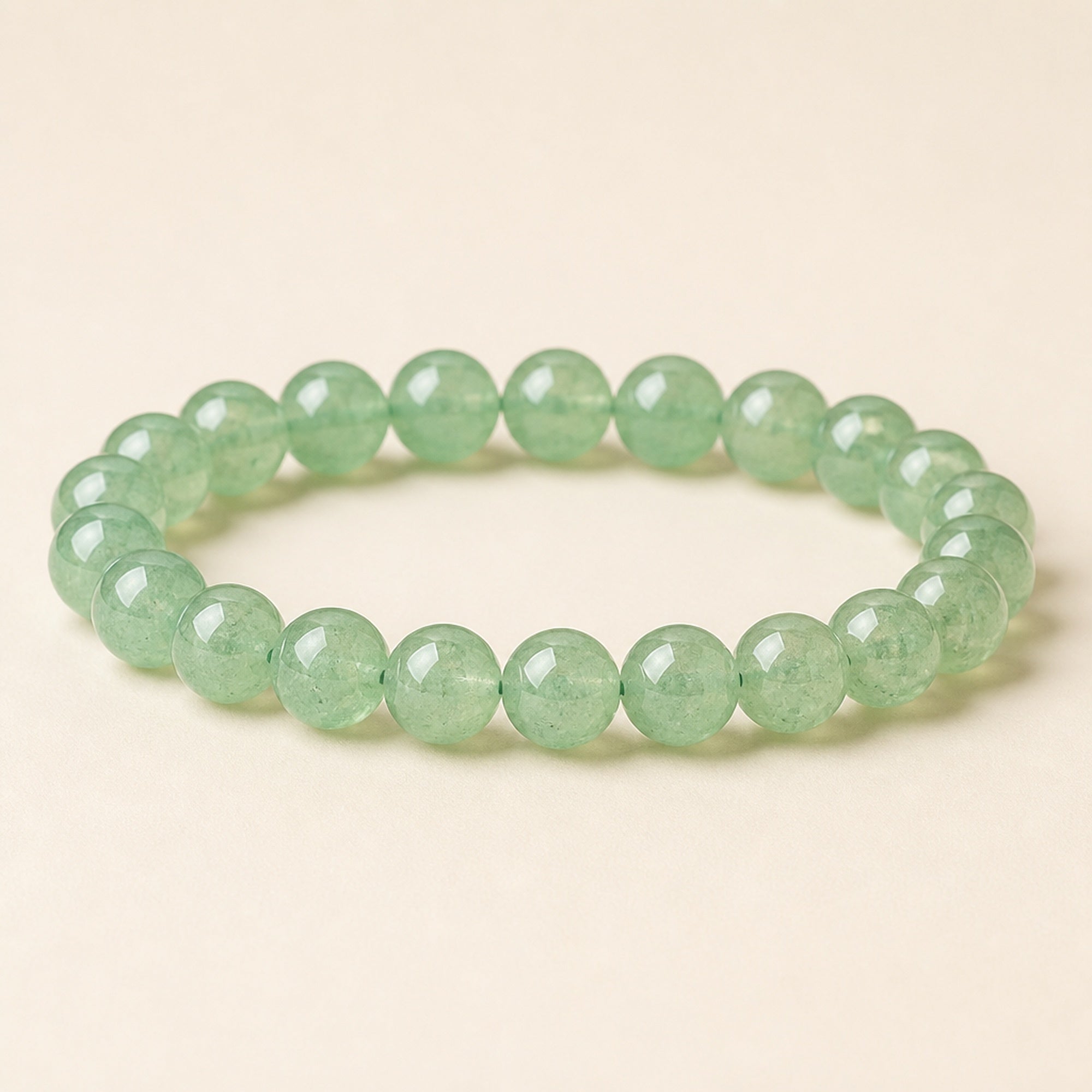
A related color-family option
Green Strawberry Quartz Bracelet – Gentle Renewal
This broader color-family option is not presented as Unakite. We only identify jewelry as Unakite when that exact material is verified.
Explore this related optionBuying Guide: Quality, Origins, and What to Look For
Grade unakite by pattern, not by purity. The best pieces show crisp contrast: distinct salmon feldspar against solid green epidote, with quartz present but not dominating. Avoid strongly mottled "muddy" stones where the pink and green blur together—those are fine for tumbled bulk but not for display or jewelry. For cabochons and carved pieces, check that the polish is even and the stone is free of deep pits or unhealed fractures.
Origin is a useful secondary signal. Virginia unakite carries historical weight (the 1884 Smithsonian specimen came from the Blue Ridge), South African material is common in the trade, and Australian rough from Queensland gem gravels is often sold by fossickers. Ask whether a piece is natural rough per the Lumina Grade AAA Integrity Standard—no resin, no irradiation, no dye—and compare the pattern to the checklist above. If you are buying a set of beads, request a photo of the actual strand, not a stock image, because pattern variation between strands is significant.
Decision Table: Which Unakite Format Fits Your Need?
Use this table to choose the right format before you buy; it reflects the rock's real physical limits rather than generic crystal advice.
| If your goal is… | Choose | Because | Watch out for |
|---|---|---|---|
| Daily wear in a ring or bracelet | Bezel-set cabochon or 8mm+ beads | 6–7 Mohs resists scratches; bezels protect thin edges | Prong settings and carved edges chip; check prongs seasonally |
| Pocket or desk reminder | Tumbled stone, 2–4 cm | Cheap, durable, shows the full mineral pattern | Avoid pieces with deep cracks or heavy resin fill |
| Display or decor | Polished slab or rough cluster | Larger surface shows the pink-green geology best | Keep out of long direct sun; no acidic cleaners |
| Collecting by locality | Virginia or South African rough with a locality card | Origin changes the pattern and the story | Unverified locality claims are common in bulk lots |
| Faceted, transparent gem look | Choose a different stone | Unakite is an opaque rock, not a gem crystal | Any "faceted unakite" is likely glass or mislabeled |
FAQ: Common Questions About Unakite Crystal
What is unakite crystal and what is it made of?
Unakite is a metamorphic rock made mainly of green epidote, pink potassium feldspar, and quartz, formed when granitic rock is altered by hydrothermal fluids. It is called a "crystal" in the trade, but it is a mineral aggregate rather than a single crystal.
What does unakite crystal mean spiritually and which chakras does it work with?
In crystal lore it is the "journey stone," often associated with the heart and third-eye chakras and with patient, gradual change. These are cultural and symbolic meanings used for reflection—not physical or medical effects.
How do I tell if unakite is real vs fake or dyed?
Real unakite shows irregular, interlocking patches of salmon feldspar, olive-green epidote, and cloudy quartz, with no color pooling in cracks. Uniform candy-green or ruby-pink stones, especially at low prices, are likely dyed or mislabeled.
How should I cleanse, charge, and care for unakite jewelry?
Wipe or briefly rinse with lukewarm water, dry fully, and avoid hot water, acids, bleach, and ultrasonic cleaners. Charge in indirect light, since long direct sun may fade the feldspar over time.
Is unakite safe to wear every day and is it good for jewelry?
Yes—at roughly 6–7 Mohs it holds up to normal daily wear, especially in bezel settings or as beads. Thin carved edges and prong settings are more chip-prone, so check the setting regularly.
Sources
- Mindat — Unakite: composition, classification, and localities
- Smithsonian Miscellaneous Collections — 1884 Virginia unakite record
- Smithsonian Q?rius — Igneous Rock Unakite
- Mindat — Unakite locality gallery (South Africa, Australia, Virginia, Mexico)
© 2026 Lumina Quartz. This guide is for general information and cultural context only. Unakite is not a medical device, and nothing here should be used in place of professional care.