The Complete Everyday Guide to Serpentine Stone: Meaning and Uses
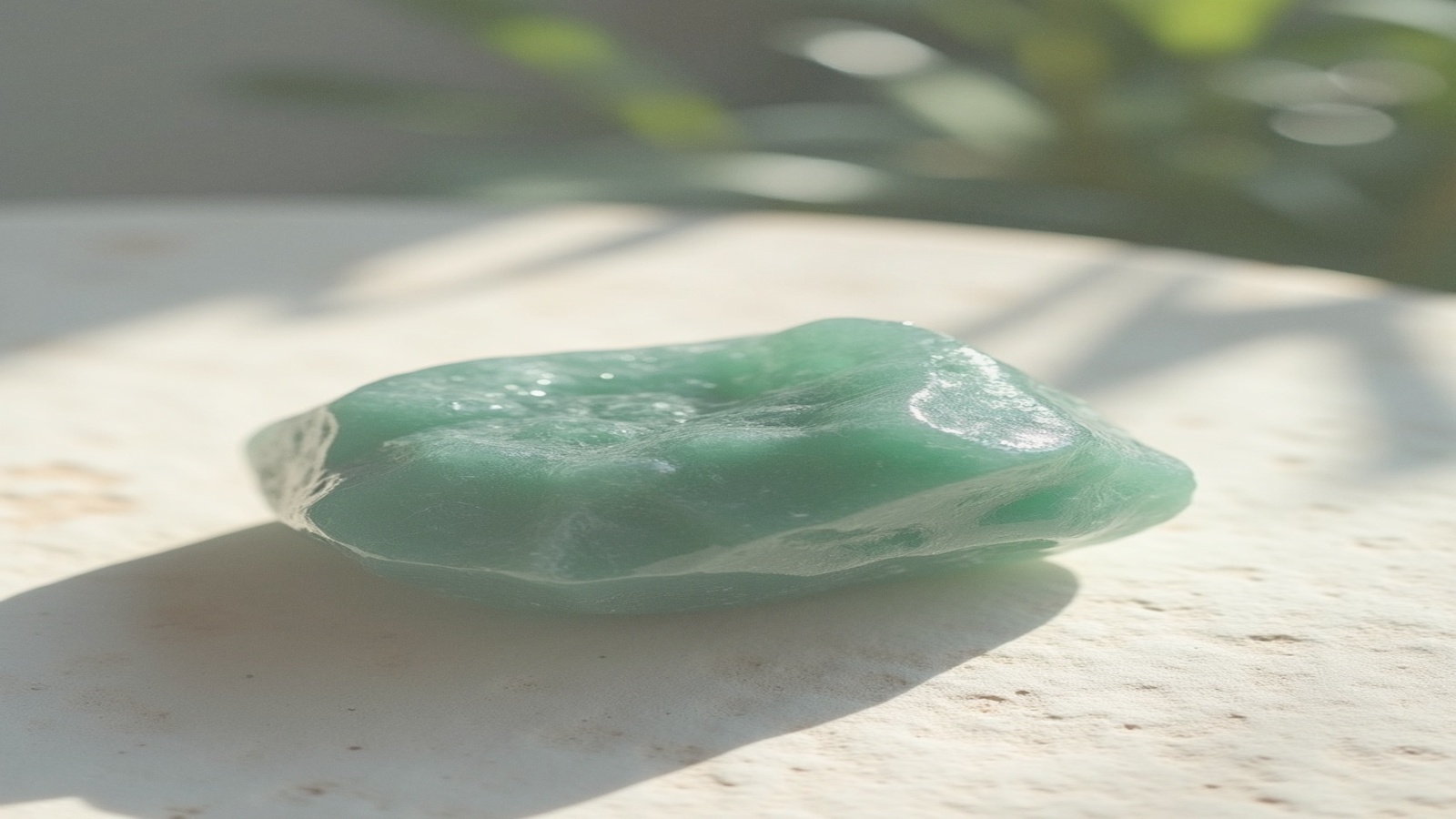
Table of Contents
- What Is Serpentine Stone? Meaning and Name Origins
- 10-Second Executive Summary / The Verdict Box
- Serpentine vs. Serpentinite: Types and Varieties (Antigorite, Bowenite, Williamsite, Lizardite, Chrysotile)
- Serpentine Properties: Color, Luster, Hardness, and How to Identify It
- Serpentine vs. Jade and "Green Marble": How to Tell the Difference
- Everyday Uses: Jewelry, Carvings, and Home Decor
- Wearing Serpentine: Best Jewelry Types and Durability Tips
- Serpentine in Architecture and Ornamental Stone
- Serpentine Buying Decision Table
- Is Serpentine Safe? Asbestos, Chrysotile, and Handling Precautions
- Caring for Serpentine: Cleaning, Storage, and Buying Checklist
- FAQ: Serpentine Stone Meaning, Value, and Everyday Questions
- What is serpentine stone and what does it mean?
- Is serpentine a good stone for jewelry and everyday wear?
- How can you tell serpentine from jade?
- Sources
What Is Serpentine Stone? Meaning and Name Origins
Serpentine stone is not a single mineral but a subgroup within the kaolinite-serpentine mineral group, most commonly cut and polished as antigorite (including the bowenite and williamsite varieties), chrysotile, and lizardite. The name comes from the Latin serpens, meaning "snake," because the mottled greens and vein patterns of many pieces resemble snakeskin. Its meaning in cultural tradition is often associated with renewal and protection, a symbolism rooted in folklore rather than in verified geological function.
10-Second Executive Summary / The Verdict Box
- Direct Verdict: Serpentine is a genuine, affordable ornamental and gem material that is best suited to earrings, pendants, brooches, and carvings. It is generally too soft for unprotected rings or daily hard-wear use.
- Mohs Hardness: Very low across all varieties; even bowenite, which may reach about 6, can still be scratched by household dust.
- Occurrence: Always forms in massive formations, so it is usually cut into beads, cabochons, and decorative carvings rather than faceted stones.
- Best Use Cases: Occasional-wear jewelry, ornamental objects, and home decor where abrasion is limited.
- Buying Note: Look for natural, untreated material aligned with the Lumina Grade AAA Integrity Standard — natural rough, no chemical resin fill, and no irradiation or dye treatment.
Serpentine vs. Serpentinite: Types and Varieties (Antigorite, Bowenite, Williamsite, Lizardite, Chrysotile)
Strictly speaking, "serpentine" refers to the group of sheet-silicate minerals, while "serpentinite" is the rock made largely of those minerals. In the gem trade, the polished material is usually sold simply as serpentine. The main cuttable varieties are:
- Antigorite — a common polished form; bowenite is a notable variety, sometimes reaching a hardness of about 6.
- Bowenite — a harder, often more translucent antigorite variety favored for carvings and beads.
- Williamsite — a translucent variety that may occasionally be faceted.
- Lizardite — another group mineral commonly encountered in massive form.
- Chrysotile — the fibrous serpentine mineral, which is relevant to safety discussions covered later in this guide.
Knowing which variety you are buying helps set realistic expectations for durability and translucence.
Serpentine Properties: Color, Luster, Hardness, and How to Identify It
Serpentine most often appears in mottled and veined greens, from pale yellow-green to deep olive, with waxy to greasy luster. Its defining physical trait is very low hardness, which makes it easy to scratch. Identification relies on three practical cues:
- Softness: A steel pin or blade can generally leave a mark where jade would resist.
- Luster: A distinctive waxy, slightly greasy sheen rather than the glassy polish of many harder gemstones.
- Pattern: Veins, patches, and snakeskin-like mottling rather than a uniform translucent body.
If you want to confirm the material rather than trust a label, request natural, untreated stock that meets the Lumina Grade AAA Integrity Standard — natural rough, zero chemical resin filling, and no irradiation or dye. This standard distinguishes honest natural serpentine from treated or mislabeled material.
Serpentine vs. Jade and "Green Marble": How to Tell the Difference
Because serpentine shares jade's green tones, it is frequently confused with nephrite or jadeite, and some suppliers sell polished serpentinite under the loose term "green marble." Use these comparisons to keep the distinction clear:
- Hardness: Jade is notably harder and more resistant to scratches; serpentine scratches easily, even from household dust.
- Luster: Jade tends toward a glassy or greasy polish; serpentine reads as more waxy.
- Value: Serpentine is an inexpensive material, so a "jade" price on serpentine is a red flag.
- "Green marble": This is a trade label, not a mineral identity — green "marble" is often serpentinite, which is softer than true marble.
When buying, ask which mineral you are getting and whether the piece is natural and untreated according to the Lumina Grade AAA Integrity Standard.
Everyday Uses: Jewelry, Carvings, and Home Decor
Serpentine's massive formation makes it ideal for lapidary work — beads, cabochons, and decorative carvings are its natural home. Translucent williamsite pieces are occasionally faceted and can make lovely, inexpensive jewelry.
Wearing Serpentine: Best Jewelry Types and Durability Tips
- Best choices: Earrings, pendants, and brooches, which see less abrasion.
- Rings: Only with protective settings, and best reserved for occasional wear.
- Daily wear: Generally not recommended for unprotected pieces because of low hardness.
Serpentine in Architecture and Ornamental Stone
As an ornamental stone, serpentinite has long been used for decorative objects and architectural accents where its veined green finish is appreciated and heavy wear is not expected. It suits interior ornamentation and display pieces rather than high-traffic flooring.
Serpentine Buying Decision Table
| Piece Type | Durability Fit | Recommended? | Reason |
|---|---|---|---|
| Earrings | Low abrasion | Yes | Minimal contact with hard surfaces |
| Pendants & brooches | Low abrasion | Yes | Protected from daily scratching |
| Rings (unprotected) | High abrasion | No | Low hardness scratches easily |
| Rings (protective setting) | Moderate | Occasional wear only | Setting limits direct contact |
| Carvings & decor | Low handling | Yes | Shows pattern and luster without wear |
Decision rule: if the piece will rub against keys, counters, or other jewelry daily, choose a harder stone. If it hangs or sits protected, serpentine is a beautiful, affordable choice.
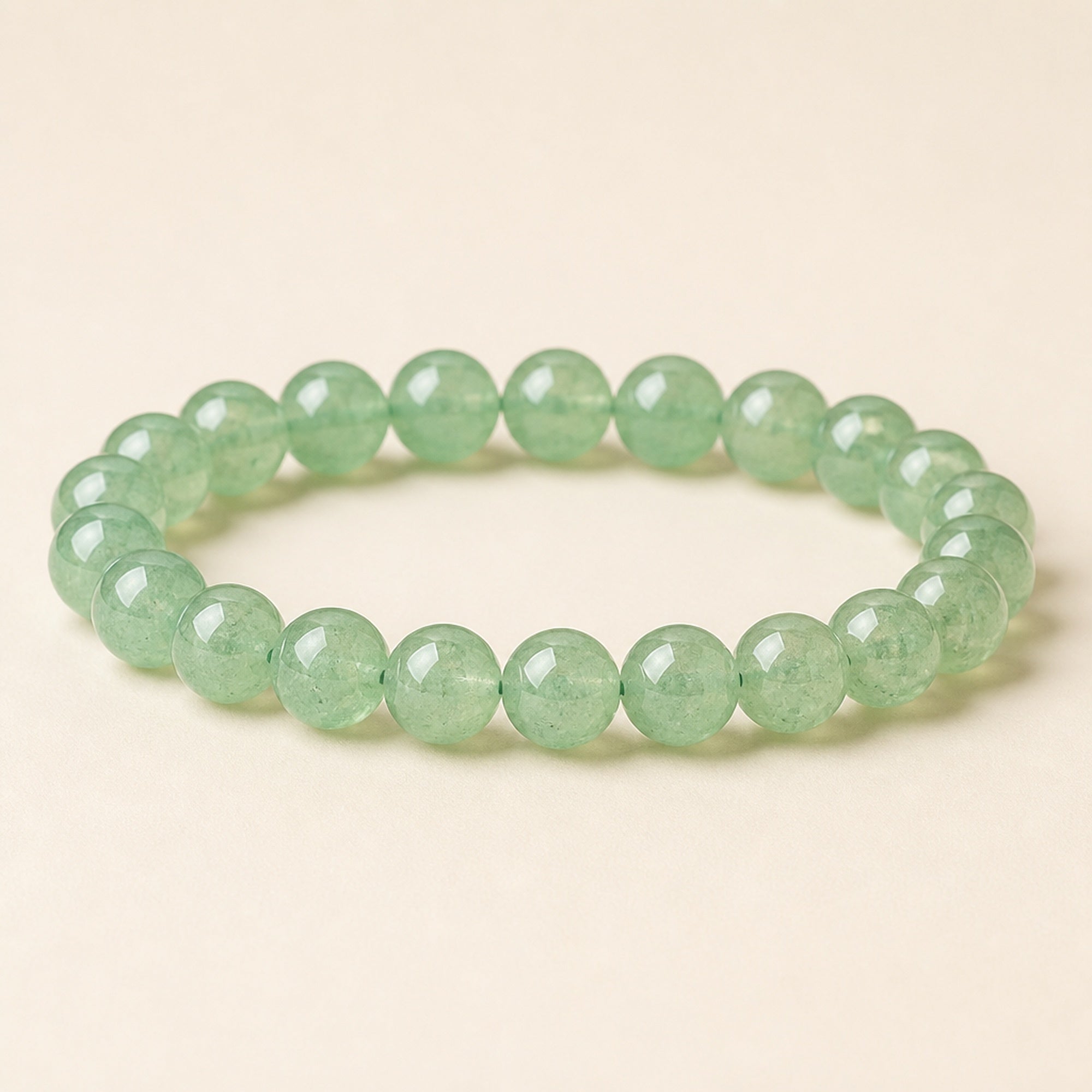
A related color-family option
Green Strawberry Quartz Bracelet – Gentle Renewal
This broader color-family option is not presented as Serpentine. We only identify jewelry as Serpentine when that exact material is verified.
Explore this related optionIs Serpentine Safe? Asbestos, Chrysotile, and Handling Precautions
Chrysotile is a fibrous serpentine mineral and is the form most associated with asbestos concerns. This does not mean every polished serpentine piece is hazardous, but it calls for sensible handling and sourcing. Choose compact, massive, finished material rather than rough that crumbles or releases visible fibers, avoid breathing dust from cutting or polishing, and have lapidary work done with proper dust control. When in doubt, ask your supplier about the mineral form and treatment status.
Caring for Serpentine: Cleaning, Storage, and Buying Checklist
Care is simple but must respect the stone's softness:
- Clean with a soft, damp cloth and mild soap; avoid abrasive cleaners and ultrasonic or steam cleaners.
- Dry gently and store separately in a soft pouch to prevent scratches from other jewelry.
- Avoid prolonged contact with perfume, chlorine, and heat.
- Check for natural, untreated material — natural rough, no resin fill, no irradiation or dye — in line with the Lumina Grade AAA Integrity Standard.
- Confirm the mineral variety (bowenite, williamsite, antigorite) and ask for a hardness expectation.
- Match the piece to its use: earrings and pendants first, rings only with protective settings.
FAQ: Serpentine Stone Meaning, Value, and Everyday Questions
What is serpentine stone and what does it mean?
Serpentine is a subgroup of the kaolinite-serpentine mineral group, polished in varieties such as antigorite, bowenite, williamsite, and lizardite. Its name refers to snakeskin-like patterns, and culturally it is often associated with renewal and protection.
Is serpentine a good stone for jewelry and everyday wear?
It is a good choice for earrings, pendants, and brooches, but its very low hardness means pieces scratch easily. Reserve it for occasional wear and use protective settings for rings.
How can you tell serpentine from jade?
Serpentine is softer — even bowenite at about 6 can be scratched by household dust — and has a waxier luster, while jade is harder and more scratch-resistant. A low price on a "jade" piece may signal serpentine.
Also asked: Is serpentine stone safe (asbestos risk)? Choose compact, finished material, avoid inhaling dust from cutting, and ask about treatment status. How do you clean and care for serpentine stone? Use a soft damp cloth, skip ultrasonic cleaners, and store pieces separately.
Sources
© 2026 Lumina Quartz. This guide is for educational purposes only and is not medical or safety certification. Cultural symbolism described here is traditional and not a claim of physical or emotional effect.