Pink Tourmaline Crystal Meaning: A Guide to Its Metaphysical Properties
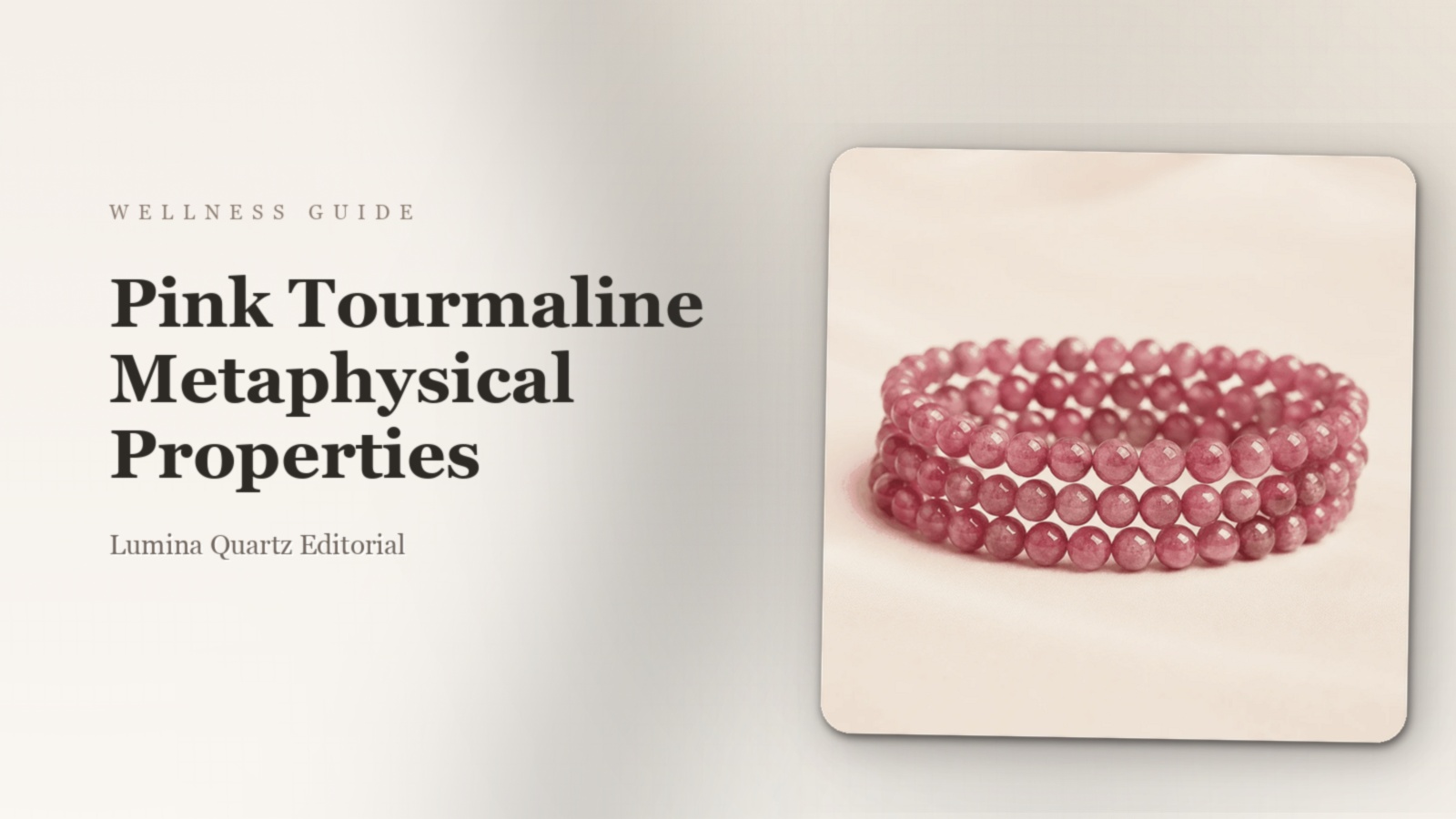
Table of Contents
- Introduction to Pink Tourmaline
- Pink Tourmaline Meaning and History
- Metaphysical Healing Properties of Pink Tourmaline
- Emotional Healing and Self-Love
- Chakra Balancing and Energy Alignment
- Physical Healing Benefits
- How to Use Pink Tourmaline
- Cleansing and Charging Pink Tourmaline
- Pink Tourmaline and Relationships
- Pink Tourmaline vs Similar Heart-Centered Stones
- Key Takeaways
- Frequently Asked Questions about Pink Tourmaline
- What are the metaphysical properties of pink tourmaline?
- How do you use pink tourmaline for healing?
- What chakra is pink tourmaline associated with?
- Can pink tourmaline help with anxiety?
- How do you cleanse pink tourmaline?
Introduction to Pink Tourmaline
There are certain stones that feel less like minerals and more like messages. Pink tourmaline is one of them. With its gentle blush of color — from the faintest petal pink to deeper raspberry — it seems to carry a warmth that bypasses the intellect and speaks directly to the heart. Known as one of the most sought-after varieties of the tourmaline family, pink tourmaline is beloved not only for its beauty but also for the quiet energy it brings into daily life.
In the world of crystal work, pink tourmaline is often described as a stone of emotional nourishment. It is frequently associated with self-love, emotional healing, and the kind of inner peace that arrives when we finally allow ourselves to feel. This article explores the pink tourmaline metaphysical properties that have made it a favorite among crystal enthusiasts, energy workers, and anyone simply looking to bring a little more softness into their lives.
As with all stones used for emotional or spiritual support, it is important to remember that crystals are not a substitute for medical or psychological care. Instead, they may support your journey — offering gentle companionship and a tactile reminder of the intentions you are cultivating.
Pink Tourmaline Meaning and History
The name "tourmaline" comes from the Sinhalese word turamali, which translates to "stone of mixed colors." This is fitting, as tourmaline occurs in more colors than almost any other gemstone on Earth — blue, green, orange, pink, purple, red, yellow, brown, black, and even colorless varieties have all been documented. The first recorded tourmaline was actually a green crystal discovered in 1554 by a Spanish explorer who mistook it for emerald. But pink tourmaline holds a special place within this colorful family. Its delicate rosy tones have long been associated with love — not just romantic love, but the broader, more radical act of loving oneself.
Historically, pink tourmaline was treasured by royalty and artisans alike. In the 19th century, Chinese Dowager Empress Tz'u Hsi was known to be particularly fond of tourmaline, especially the pink and red varieties. According to the Gemological Institute of America (GIA), much of the pink and red tourmaline from San Diego County in California was shipped to China specifically because the Empress was so fond of the color. She is said to have acquired large quantities of it for jewelry and carved ornamental pieces. In some traditions, pink tourmaline was even believed to attract friendship and loving relationships, and it was often given as a gift between friends and lovers to symbolize trust and affection.
Throughout history, many cultures have regarded tourmaline as a protective stone. Because of its piezoelectric properties — the ability to generate an electrical charge when subjected to pressure or heat — it was sometimes called the "stone of truth" or the "electric stone." While these natural phenomena are grounded in science, they also contributed to the mystical reputation of the stone, as it seemed to hum with a life of its own.
Today, the meaning of pink tourmaline has evolved to embrace themes of emotional resilience, compassion, and the courage to be vulnerable. It is commonly associated with the heart chakra and is seen as a tool for softening hardened edges — both emotionally and energetically. In the gem trade, the most saturated pink to red stones are known as rubellite, and eye-clean material is considered rarer and more valuable.
Metaphysical Healing Properties of Pink Tourmaline
When we speak of pink tourmaline metaphysical properties, we are engaging with a rich and layered tradition that blends ancient wisdom with modern intuition. Pink tourmaline is often considered a stone of the heart — not only because of its color but because of the way it seems to invite reflection, tenderness, and authenticity.
Emotional Healing and Self-Love
Perhaps the most widely recognized metaphysical property of pink tourmaline is its gentle capacity to support emotional healing. This stone is often associated with the release of old emotional wounds — the kind that linger in the body long after a memory has faded from the mind. For those who hold onto grief, guilt, or shame, pink tourmaline may support the gradual softening of these heavy feelings.
At the center of this emotional work is the concept of self-love. Pink tourmaline is often described as a "self-love stone" because it encourages the wearer to turn kindness inward. In a world that often urges us to be harder on ourselves, pink tourmaline gently reminds us that we are worthy of compassion. It may support the development of a more loving inner dialogue, helping to quiet the critical voice that so often drowns out our own tenderness.
Many crystal practitioners believe that pink tourmaline helps to dissolve the emotional armor we build in response to past hurt. As that armor begins to loosen, we may find ourselves more open to giving and receiving love — not only to others but to ourselves as well.
Chakra Balancing and Energy Alignment
In the chakra system, pink tourmaline is most often associated with the heart chakra, or Anahata. This energy center is located at the center of the chest and governs our capacity for love, empathy, forgiveness, and emotional balance. When the heart chakra is blocked or out of alignment, we may feel disconnected, guarded, or emotionally numb. Pink tourmaline is often used to gently open and clear this chakra, creating space for love to flow more freely.
Working with pink tourmaline on the heart chakra typically involves placing the stone directly over the chest during meditation or relaxation. As you breathe slowly and deliberately, the gentle energy of the stone may support a sense of warmth and expansion in the chest — a feeling that many describe as "opening up."
Some practitioners also associate pink tourmaline with the root chakra, particularly when the stone's color leans toward a deeper red-pink. In this context, pink tourmaline may support feelings of safety and groundedness, which are foundational for deeper emotional work. By connecting the heart with the root, pink tourmaline may help to ground love into physical reality — turning abstract feelings of compassion into tangible actions and choices.
Physical Healing Benefits
While pink tourmaline is not a medical treatment, its use alongside conventional care may support physical wellbeing in gentle ways. Many crystal practitioners believe that all stones can carry a subtle energetic frequency, and pink tourmaline's frequency is often described as calming and restorative.
In the realm of physical support, pink tourmaline is often associated with the heart and the circulatory system. It is frequently used as a stone of comfort during times of physical recovery, particularly when emotional stress accompanies illness or fatigue. By promoting calmness and emotional ease, pink tourmaline may support the body's natural healing processes in an indirect way.
It is also commonly used to reduce feelings of stress and tension in the body. Because emotional strain often manifests physically — tight shoulders, a clenched jaw, a knotted stomach — the calming presence of pink tourmaline may help to ease these physical symptoms of stress. It is not a cure, and it should never replace the advice or treatment of a qualified healthcare professional. But as a companion stone, pink tourmaline may offer a sense of comfort and steadiness during challenging times.
How to Use Pink Tourmaline
There is no single "right" way to work with pink tourmaline. The most meaningful approach is often the one that feels natural to you. That said, here are some gentle ways to begin:
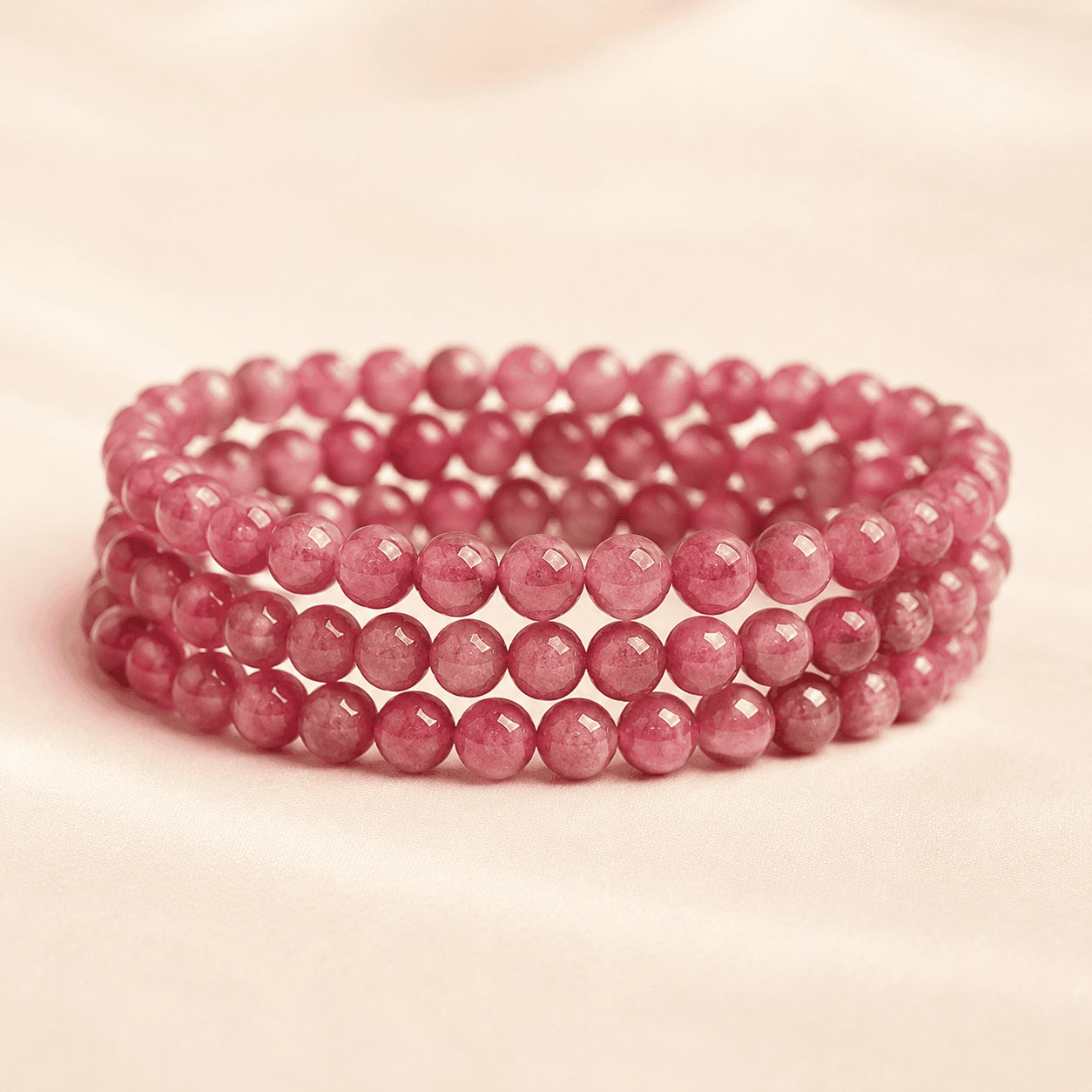
- Wear it close to the heart. A pink tourmaline bracelet or pendant keeps the stone's energy near the heart chakra throughout the day. You might find that simply noticing it on your wrist becomes a small ritual of returning to yourself.
- Meditate with it. Lie down or sit comfortably, place the stone over your chest, and breathe slowly. Allow the stone to serve as an anchor for feelings of warmth and self-compassion.
- Keep it in your space. Placing pink tourmaline on a bedside table, desk, or altar can serve as a quiet reminder of the intentions you are nurturing — whether that is patience, gentleness, or simply rest.
- Journal with it nearby. Some people find that holding or sitting near pink tourmaline during reflective writing helps them access softer, more honest emotions.
- Carry it in a pocket or pouch. A small tumbled stone can be a tactile comfort during stressful moments — a physical reminder to breathe and soften.
If you feel drawn to wearing this stone daily, our Pink Tourmaline Bracelet – Tender Confidence is designed to keep its gentle energy close to the heart.
Cleansing and Charging Pink Tourmaline
Like all crystals used for energetic work, pink tourmaline benefits from periodic cleansing. The goal is not to "fix" the stone but to refresh it — clearing away any accumulated heaviness so it can continue to serve as a clear, supportive companion.
Gentle cleansing methods include:
- Moonlight: Place your stone on a windowsill overnight during a full moon. This is one of the gentlest methods and is especially fitting for a stone associated with soft, receptive energy.
- Sound: A singing bowl, tuning fork, or even gentle chimes can clear a stone's energy without any physical contact.
- Smoke: Passing the stone through the smoke of dried herbs such as lavender or cedar is a traditional method used by many practitioners.
- Brown rice or sea salt (dry): Resting the stone in a bowl of dry brown rice or sea salt for a few hours can help absorb stagnant energy. Be sure to discard the rice or salt afterward.
To charge your pink tourmaline, simply set an intention. Hold the stone in your hands, take a few slow breaths, and silently or softly state what you wish to cultivate — self-kindness, emotional balance, or simply a softer heart. Then place it somewhere it can rest, ideally in moonlight or near a plant.
Pink tourmaline is relatively durable, but it can be sensitive to prolonged direct sunlight, which may fade its color over time. Avoid harsh chemicals and ultrasonic cleaners, and store it separately from harder stones to prevent scratches.
Pink Tourmaline and Relationships
Because pink tourmaline is so closely tied to the heart, it is often used in the context of relationships — not only romantic ones, but friendships, family bonds, and the relationship we have with ourselves.
In romantic partnerships, pink tourmaline is sometimes used to support open communication and emotional honesty. It may help partners feel safer expressing vulnerability, which is often the foundation of deeper trust. Some couples keep a piece of pink tourmaline in their shared space or exchange it as a symbol of mutual care.
In friendships, pink tourmaline has historically been given as a token of affection and loyalty. It is a stone that seems to say, "I see you, and I am here." For those navigating conflict or distance in a friendship, it may serve as a reminder of the warmth that originally brought you together.
And of course, the most important relationship is the one you have with yourself. Pink tourmaline's clearest gift may be its invitation to treat yourself with the same patience and kindness you would offer a dear friend.
Pink Tourmaline vs Similar Heart-Centered Stones
If you are drawn to pink tourmaline, you may also be considering other heart-centered stones. This quick comparison can help you decide which feels right for your intentions.
| Stone | Primary Focus | Best For | Chakra |
|---|---|---|---|
| Pink Tourmaline | Self-love, emotional healing, releasing old wounds | Deep inner work, softening emotional armor | Heart (and sometimes root) |
| Rose Quartz | Unconditional love, gentleness, harmony | Attracting love, soothing daily stress | Heart |
| Pink Amethyst | Emotional balance, calming the mind, spiritual insight | Combining heart energy with mental clarity | Heart and third eye |
| Rhodonite | Compassion, forgiveness, emotional release | Healing after conflict or heartbreak | Heart |
Pink amethyst, in particular, shares some overlap with pink tourmaline — both are gentle, heart-centered stones. But where pink amethyst metaphysical properties tend to emphasize calm reflection and mental clarity alongside emotional balance, pink tourmaline is more often associated with the active work of emotional release and self-compassion.
Key Takeaways
- Pink tourmaline is widely regarded as a stone of self-love, emotional healing, and heart-centered compassion.
- It is most commonly associated with the heart chakra, though some practitioners also connect it to the root chakra.
- It can be worn, meditated with, carried, or simply kept in your space as a reminder of your intentions.
- Cleansing with moonlight, sound, or smoke is gentle and appropriate for this stone.
- Pink tourmaline is a supportive companion, not a replacement for professional medical or psychological care.
- Its history includes a notable association with Chinese royalty and the pink tourmaline mines of Southern California.
Frequently Asked Questions about Pink Tourmaline
What are the metaphysical properties of pink tourmaline?
Pink tourmaline is most often associated with emotional healing, self-love, compassion, and heart chakra support. Many practitioners believe it helps release old emotional wounds, soften emotional defenses, and encourage a kinder inner dialogue. It is also sometimes linked to the root chakra when its color leans toward deeper red-pink, supporting feelings of safety and grounding.
How do you use pink tourmaline for healing?
Common approaches include wearing pink tourmaline jewelry close to the heart, placing the stone on the chest during meditation, keeping it in your living or working space, or carrying a small tumbled stone in a pocket. The most effective method is usually the one that feels most natural and consistent for you.
What chakra is pink tourmaline associated with?
Pink tourmaline is primarily associated with the heart chakra, or Anahata, which governs love, empathy, forgiveness, and emotional balance. Some practitioners also work with it on the root chakra, especially when the stone's color is a deeper red-pink, to support groundedness during emotional work.
Can pink tourmaline help with anxiety?
Many people find that holding or wearing pink tourmaline offers a sense of calm and comfort during stressful moments. Its gentle energy may support relaxation and emotional ease. However, pink tourmaline is not a treatment for anxiety or any other medical condition, and it should not replace care from a qualified healthcare professional.
How do you cleanse pink tourmaline?
Gentle methods such as moonlight, sound (singing bowls or chimes), smoke from dried herbs, or resting the stone in dry sea salt or brown rice are all appropriate. Avoid prolonged direct sunlight, harsh chemicals, and ultrasonic cleaners, as these may damage or fade the stone over time.
Related Reading
- Kyanite Crystal Meaning: A Guide to Benefits, Uses, and Chakra Alignment
- Red Jasper: A Gentle Guide to Meaning, Benefits, and Uses
- Black Tourmaline Meaning: Meaning, Properties, and Everyday Uses
- Rose Quartz Crystal: A Gentle Guide to Meaning, Benefits, and Uses
- Sunstone Meaning: Meaning, Properties, and Everyday Uses
- Fluorite Meaning: Meaning, Properties, and Everyday Uses
Sources
- Tourmaline History and Lore — GIA
- Tourmaline — GemKids, GIA
- Gemstones — Tourmaline, USGS
- Pink Diamond Engagement Ring Buying Guide — GIA 4Cs
Pink Tourmaline Bracelet
A gentle ritual piece for bringing this intention into your daily routine.
Shop This Authentic Piece →