How To Cleanse Pyrite Crystals
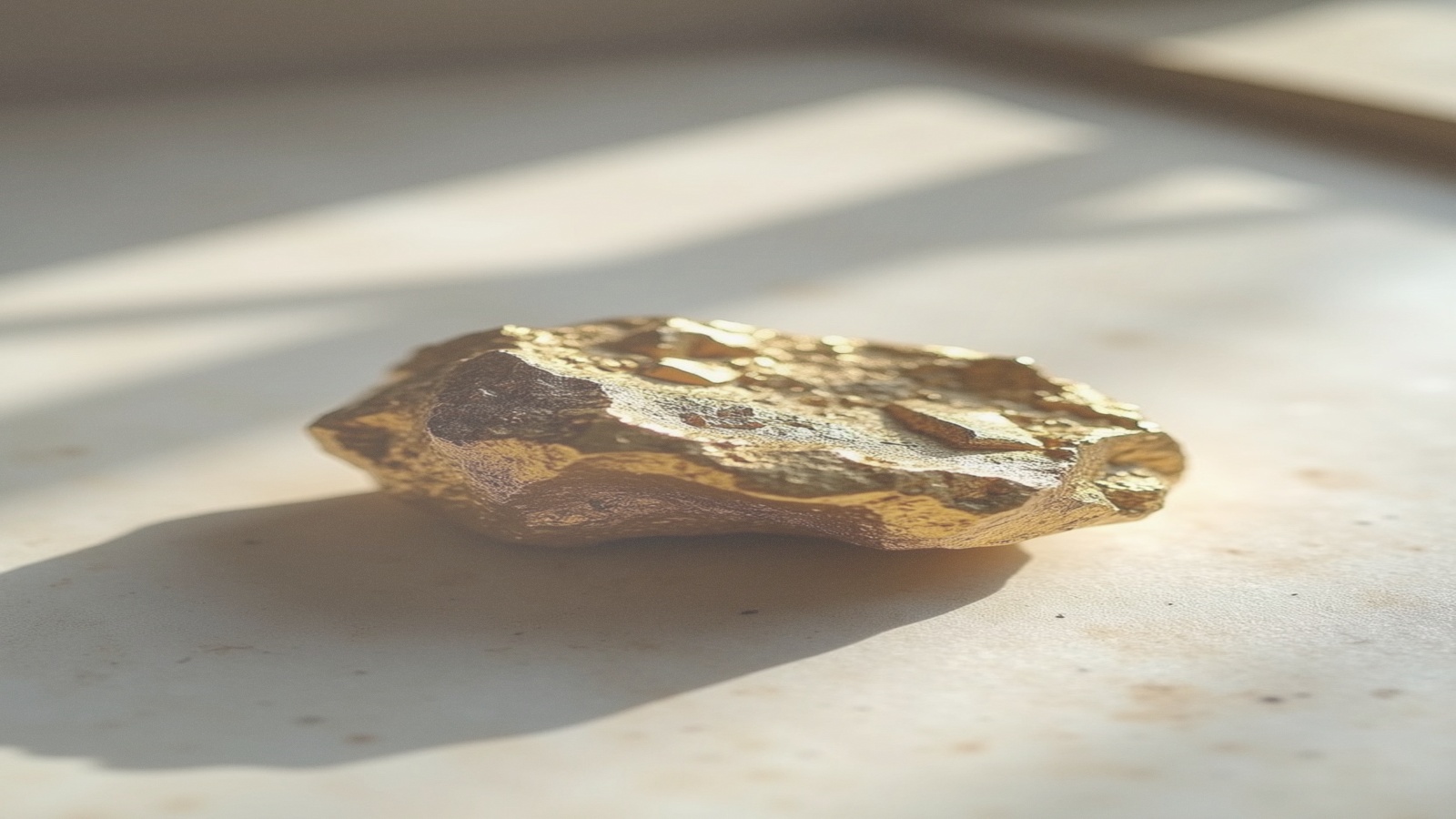
Table of Contents
- 10-Second Executive Summary / The Verdict Box
- Why Pyrite Needs Special Care When Cleansing
- Dry Cleansing Methods (Safest for Pyrite)
- Smoke Cleansing with Incense or Sage
- Sound Cleansing with Singing Bowls or Bells
- Moonlight, Rice, and Salt-Free Alternatives
- Can You Cleanse Pyrite with Water?
- How to Physically Clean Dirty or Oxidized Pyrite
- Pyrite Cleansing Decision Table: Match the Method to the Situation
- How to Recharge and Set Intentions with Pyrite
- How Often to Cleanse Pyrite + What to Avoid
- FAQ: Quick Answers on Pyrite Cleansing
- Can you cleanse pyrite with water?
- What is the safest way to cleanse pyrite crystals?
- How do you remove dirt and rust from pyrite without damaging it?
- Sources
You can cleanse pyrite crystals safely with dry methods: smoke from incense or sage, sound from a singing bowl or bell, moonlight, or dry rice — the key is keeping water and salt away from the stone. Pyrite is an iron sulfide (FeS₂) with a Mohs hardness of 6–6.5, and it is vulnerable to moisture, salt, and acids, which can dull its metallic gold luster or trigger oxidation. If your pyrite is physically dirty, clean it with a soft dry brush or a barely damp cloth, then dry it immediately and completely.
10-Second Executive Summary / The Verdict Box
- Direct Verdict: Yes — cleanse pyrite, but use dry methods only. Smoke, sound, moonlight, and dry rice are safe; water, salt, and harsh chemicals are not.
- Mohs Hardness: 6–6.5 (relatively soft for a metallic-looking stone; can scratch and chip).
- Chemical Composition: Iron sulfide (FeS₂) — sensitive to moisture and acids; prone to oxidation ("pyrite decay") in humid conditions.
- Best Cleansing Methods: Smoke (incense/sage), sound (singing bowl/bell), moonlight, dry rice.
- Best Physical Cleaning: Soft dry brush; barely damp cloth for stubborn dirt, then dry immediately.
- Best For: Display pieces, jewelry, and pocket stones kept in low-humidity environments.
- Avoid: Water soaking, salt water, salt beds, ultrasonic cleaners, acidic or ammonia-based cleaners.
Why Pyrite Needs Special Care When Cleansing
Pyrite is not fragile like selenite, but it is chemically reactive in ways that most crystals are not. Because it is iron sulfide, prolonged exposure to water and oxygen can lead to oxidation — often called "pyrite decay" — which may show up as a whitish or rusty film, a powdery surface, or a dulled sheen. Salt is even more aggressive: salt water and salt beds can accelerate corrosion on the metallic surface. For that reason, the popular "soak it in salt water" advice that works for quartz is a poor fit for pyrite.
Pyrite's Mohs hardness of 6–6.5 also means it scratches more easily than quartz (7) or diamonds, so abrasive scrubbing or rough handling can leave visible marks. Add to that pyrite's natural brittleness — it can chip along edges — and the case for gentle, dry cleansing becomes clear.
When shopping for pyrite, look for pieces that are natural, untreated, and free of chemical fillers or dyes. This is the principle behind the Lumina Grade AAA Integrity Standard: natural rough or cut stone, zero chemical epoxy stabilization, and no irradiation or dyeing. A clean, untreated piece is easier to care for and holds its luster longer.
Dry Cleansing Methods (Safest for Pyrite)
Dry methods protect pyrite's surface while still refreshing it in the way many people find meaningful. These are energetic and symbolic practices — they do not change the stone's chemistry — but they are the safest physical choices for this mineral.
Smoke Cleansing with Incense or Sage
Light a stick of incense, a bundle of dried sage, or a piece of palo santo, let it burn to a steady ember, and pass the pyrite through the smoke for 30–60 seconds. Keep the stone a few inches from the flame so heat and soot don't touch the surface. This is often associated with clearing stagnant energy and is a low-risk method for pyrite because it involves no moisture or abrasion.
Sound Cleansing with Singing Bowls or Bells
Place the pyrite near — not inside — a singing bowl, and strike or circle the rim so the tone rings out for a minute or two. A bell or tuning fork works the same way. Sound cleansing is symbolic and gentle; it never touches the stone's surface, making it one of the safest options for a brittle mineral.
Moonlight, Rice, and Salt-Free Alternatives
Set the pyrite on a windowsill or dry outdoor surface under the full moon overnight. Moonlight is a classic gentle method and involves no water or salt. Another simple option is to bury the stone in a bowl of dry, uncooked rice for a few hours or overnight, then brush off any grains. Avoid salt-based alternatives entirely — a "salt-free" approach is essential for pyrite.
Can You Cleanse Pyrite with Water?
No — water is not recommended for pyrite. Brief contact is unlikely to ruin a piece instantly, but soaking, running water, and repeated wet-dry cycles all raise the risk of oxidation and surface dulling. If you must remove a spot of dirt, use a barely damp cloth and dry the stone thoroughly and immediately. Never leave pyrite to dry in a humid room, and never submerge it in water or salt water.
If a piece has already developed a dull or powdery film, treat it as a physical cleaning task rather than a cleansing ritual, and see the section below.
How to Physically Clean Dirty or Oxidized Pyrite
Ritual cleansing and physical cleaning are different jobs. Dust, fingerprints, and light oxidation call for careful handling, not smoke or sound.
Start with a soft, dry brush — a clean makeup brush or soft-bristled toothbrush — to lift dust from the crevices. For a light residue, wipe with a microfiber cloth. If a stain persists, barely dampen a corner of the cloth and dab gently, then dry the stone fully with a dry cloth and let it air out in a low-humidity spot.
For pieces showing a whitish or rusty film, a conservator-style approach is best: keep the stone dry, avoid oil-based polishes that trap moisture, and store it with a desiccant packet in a sealed container to slow further decay. Skip vinegar, lemon juice, ammonia, and ultrasonic cleaners — acidic and alkaline agents can attack the sulfide surface. If a piece is valuable or heavily oxidized, consult a professional conservator rather than experimenting at home.
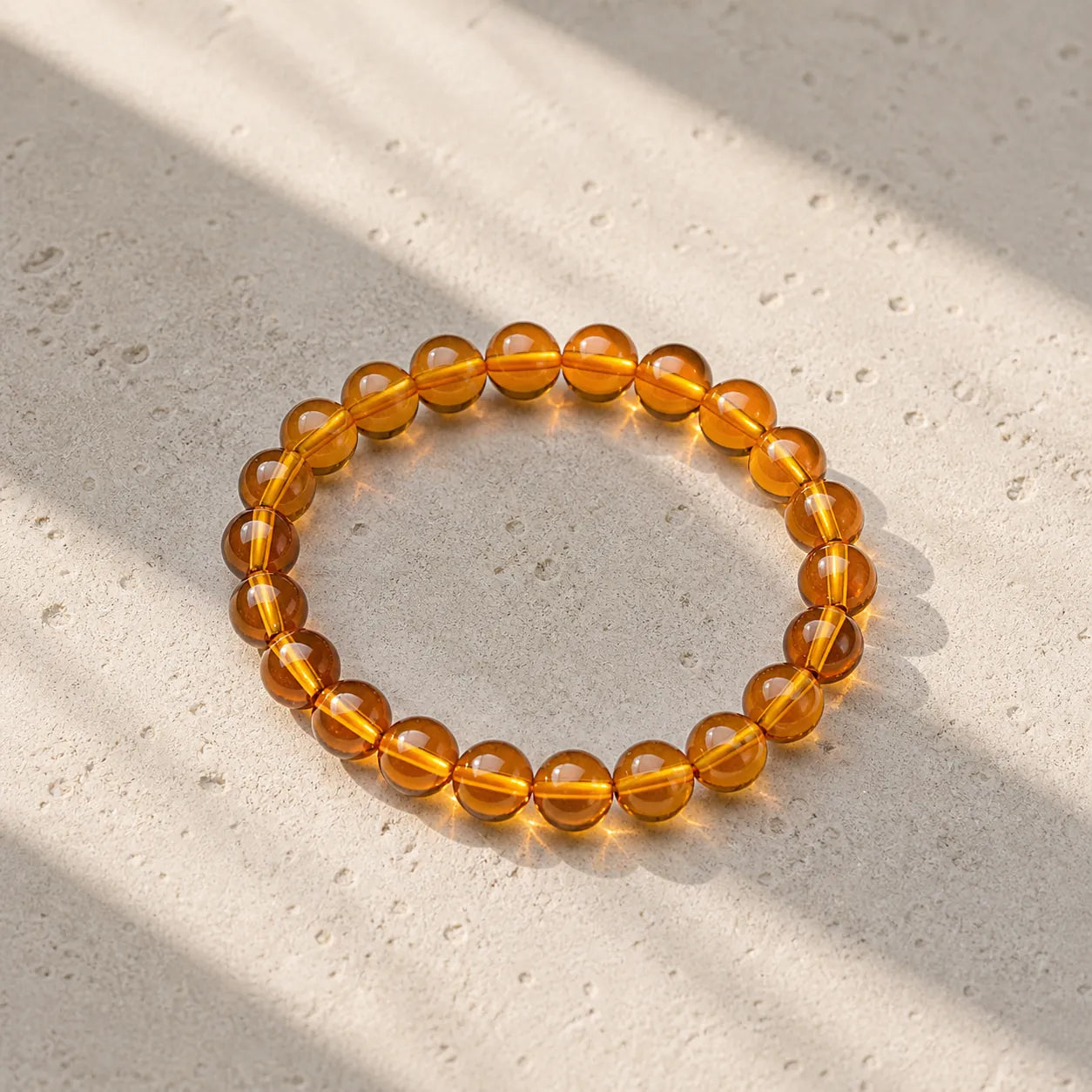
A related color-family option
Citrine Abundance Bracelet
This broader color-family option is not presented as Pyrite. We only identify jewelry as Pyrite when that exact material is verified.
Explore this related optionPyrite Cleansing Decision Table: Match the Method to the Situation
| Your Situation | Best Method | Why It Fits | Avoid |
|---|---|---|---|
| Routine refresh, no visible dirt | Smoke or sound | Gentle, no moisture, no abrasion | Water, salt |
| Stored in a humid room | Dry rice or desiccant storage, moonlight | Reduces ambient moisture exposure | Wet cleansing, open humid storage |
| Dust or fingerprints on the surface | Soft dry brush, then microfiber cloth | Removes residue without scratching | Abrasive scrubbing, ultrasonic cleaner |
| Light whitish/rusty film (early oxidation) | Dry storage with desiccant; professional review if worsening | Slows further decay; avoids making it worse | Vinegar, lemon, ammonia, soaking |
| Jewelry or high-value display piece | Dry brush + low-humidity case | Preserves luster and structural integrity | Salt beds, water dips, chemical polishes |
How to Recharge and Set Intentions with Pyrite
Recharging — in the sense of symbolic renewal — pairs naturally with dry methods. Place the stone in moonlight, near a singing bowl, or on a dry, sunlit windowsill for a few hours. Avoid leaving pyrite in direct, intense summer sun for long periods; heat and light are not primary risks, but stable conditions are kinder to the surface.
Many people associate pyrite with confidence, abundance, and willpower, and use intention-setting as a personal practice. Hold the stone, name one clear intention, and place it where you will see it daily. These are symbolic and personal-reminder uses — pyrite is a mineral, not a treatment, and it does not replace medical or mental health care.
How Often to Cleanse Pyrite + What to Avoid
There is no fixed rule, but a practical rhythm is a light smoke or sound cleanse once a month, a dry-brush dusting every few weeks, and a check of stored pieces each season. Clean more often if a piece sits in a busy, humid, or dusty space.
What to avoid, in short:
- Water and salt water — oxidation risk and surface corrosion.
- Salt beds and salt lamps as cleansing stations — salt accelerates corrosion.
- Ultrasonic and steam cleaners — can loosen brittle edges and force moisture into cracks.
- Acidic or ammonia cleaners — chemically aggressive toward iron sulfide.
- Abrasive scrubbing — scratches a 6–6.5 hardness surface.
- Humid storage — the main driver of pyrite decay.
FAQ: Quick Answers on Pyrite Cleansing
Can you cleanse pyrite with water?
No — water is not recommended. Pyrite is iron sulfide, and repeated moisture exposure may cause oxidation, dulling, or a powdery film. Use dry methods instead, and keep water away except for a barely damp cloth on stubborn dirt, followed by immediate drying.
What is the safest way to cleanse pyrite crystals?
Smoke (incense or sage), sound (singing bowl or bell), moonlight, or dry rice are the safest options. All of them avoid moisture and abrasion, which protects pyrite's metallic luster and brittle edges.
How do you remove dirt and rust from pyrite without damaging it?
Brush off dust with a soft dry brush, wipe with a microfiber cloth, and use only a barely damp cloth for stubborn spots — then dry completely. For rust-like films, store the piece with a desiccant in a sealed container and consult a conservator if the film spreads; avoid vinegar, lemon, ammonia, and ultrasonic cleaners.
Sources
No external verified sources were provided with this brief. The mineral properties cited — pyrite's composition as iron sulfide (FeS₂), its Mohs hardness of 6–6.5, and its susceptibility to oxidation and salt corrosion — reflect standard mineralogical references. Where in doubt, verify care guidance with a qualified gemologist or conservator before treating a valuable piece.
© 2026 Lumina Quartz. This article is for informational and cultural purposes only and is not medical advice. Crystal practices described here are symbolic and personal; they are not a substitute for professional care.