Green Agate: Spiritual Meaning, Symbolism, and Daily Use
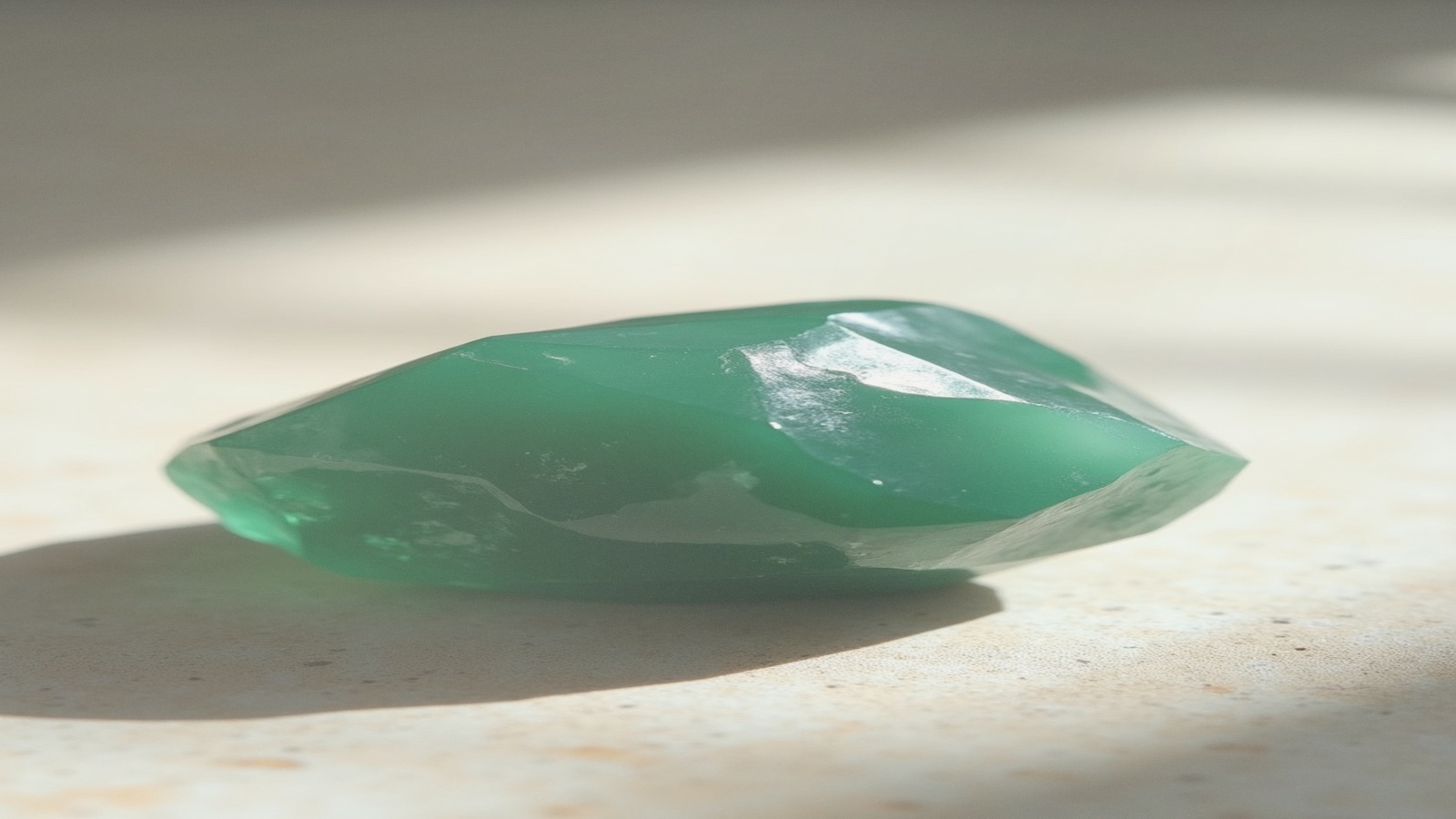
Table of Contents
- What Is Green Agate? Composition, Colour, and How It Forms
- Natural vs. Dyed Green Agate: What Buyers Should Know
- Green Agate Meaning and Symbolism Through History
- Egyptian Amulets, Roman Seals, and the Warrior Stone Legend
- Green Agate and the Heart Chakra: Emotional Balance and Calm
- Green Agate as a Birthstone: May, Taurus, and Gemini
- Everyday Ways to Use Green Agate: Jewellery, Meditation, and Home
- Cleansing, Charging, and Care for Dyed vs. Natural Stones
- Decision Checklist: Choosing Natural vs. Dyed Green Agate
- How to Choose Quality Green Agate Jewelry
- FAQ: Green Agate Meaning, Healing Properties, and Buying Questions
- What does green agate mean spiritually?
- Is green agate natural or dyed?
- Which chakra is green agate associated with?
- Sources
Green agate is a variety of chalcedony — a cryptocrystalline form of quartz — whose green colour may occur naturally through mineral inclusions such as chlorite, or be produced by dyeing. In spiritual and cultural traditions it is most often associated with the heart chakra, emotional steadiness, and renewal, and it is commonly worn as a May birthstone alternative or a Taurus and Gemini talisman. For buyers, the practical meaning starts with one question: is the green natural, or was it dyed?
Direct Verdict: Green agate is a quartz-family stone (chalcedony) traditionally associated with heart-centred calm, growth, and protection; its symbolic meaning is cultural, not medical.
- Family / Composition: Chalcedony, silicon dioxide (SiO₂), microcrystalline quartz
- Mohs Hardness: Approximately 6.5–7 (quartz-family range)
- Colour Source: Natural mineral inclusions (e.g., chlorite) or dye treatment
- Tradition: Associated with the heart chakra, May, Taurus, and Gemini
- Best For: Everyday jewellery, meditation focus, altar and home display, gifting
- Buying Standard: Look for transparent disclosure of dye status; Lumina Grade AAA Integrity Standard means natural rough, no chemical resin-filling, no irradiation or dye.
What Is Green Agate? Composition, Colour, and How It Forms
Agate is a banded variety of chalcedony made of quartz crystals too small to see with the unaided eye. The Gemological Institute of America notes that agate and jasper belong to this microcrystalline and cryptocrystalline quartz group, and that agate was first described in literature by Theophrastus in his treatise On Stones (372–287 BCE), with its name linked to the river Achates in Sicily (GIA). Green agate forms in layered bands or as nodular "thunder egg" formations, and its green tone commonly comes from mineral inclusions — moss agate, for instance, is chalcedony containing green inclusions such as chlorite or hornblende (Mindat, Moss Agate).
Natural vs. Dyed Green Agate: What Buyers Should Know
Much of the vivid, evenly saturated green agate on the market is dyed; naturally green agate tends to show uneven colour zones, visible banding, and inclusions rather than a flat, uniform wash. Dyeing is a long-standing trade practice, so the honest question is not "is it dyed?" but "was it disclosed?" A natural, untreated stone often carries slightly muted or mottled green, while dyed stones may show colour pooling in cracks. Under the Lumina Grade AAA Integrity Standard, stones are natural rough with zero chemical resin-filling and no irradiation or dye — this is the benchmark to ask any seller to confirm in writing.
Green Agate Meaning and Symbolism Through History
Green agate's meaning has always been layered: practical, protective, and earth-connected. Because agate has been carved and valued since antiquity, its symbolism accumulated across cultures rather than originating in one place. In modern crystal practice, green agate is often associated with growth, gentle honesty, and the quiet steadiness of plants turning toward light — a meaning rooted in its colour and its place in the quartz family rather than in any clinical claim.
Egyptian Amulets, Roman Seals, and the Warrior Stone Legend
Agate was highly valued in the ancient world; Pliny the Elder recorded in his Natural History (77 CE) that agate had become plentiful and varied, which lowered its value (GIA). Because agate is hard and takes a fine polish, it was historically carved into seals, signets, and amulets — a use that gave the stone its reputation for protection and clear judgment. The "warrior stone" association is legend rather than documented fact, and it is best understood as a cultural story about courage and groundedness, often repeated rather than proven.
Green Agate and the Heart Chakra: Emotional Balance and Calm
In chakra traditions, green is the colour of the heart centre, and green agate is therefore often associated with the heart chakra — the fourth chakra, linked in these systems to compassion, connection, and emotional balance. This is a cultural and spiritual framework, not a physiological one. Green agate may support a sense of calm as a personal mindfulness anchor: holding or wearing it can serve as a reminder to breathe, pause, and return to what matters. It does not stabilise mood, soothe the nervous system, or treat any condition — those claims are not supported.
Green Agate as a Birthstone: May, Taurus, and Gemini
Green agate is not one of the modern conventional birthstones, but it is often used as a May birthstone alternative because of its green colour and its traditional link to renewal. In astrological traditions it is frequently associated with Taurus (an earth sign ruled by Venus, often connected with green stones) and with Gemini, where agate's banded, layered appearance is sometimes read as a symbol of adaptability. These are symbolic correspondences, offered as personal meaning rather than fixed rules — anyone drawn to the stone may wear it.
Everyday Ways to Use Green Agate: Jewellery, Meditation, and Home
Green agate is durable enough for daily wear and easy to live with. Practical uses include:
- Jewellery: Rings, pendants, and beaded bracelets — set in protective bezels if worn often.
- Meditation: Place a tumbled stone or palm stone in your hand as a focus object; let the green tone prompt a slow breath.
- Home and altar: A small dish of tumbled green agate near a plant or desk can serve as a visual grounding cue.
- Gifting: A meaningful choice for May birthdays, new beginnings, or a Taurus or Gemini friend.
Cleansing, Charging, and Care for Dyed vs. Natural Stones
Care differs depending on treatment. For natural green agate, gentle rinsing in lukewarm water and drying with a soft cloth is usually sufficient; avoid harsh chemicals, prolonged soaking, and sudden temperature changes. Dyed agate should be kept away from hot water, alcohol, and prolonged sunlight, which may fade or bleed dye. "Cleansing and charging" are spiritual practices, not physical maintenance — moonlight, sound, or smoke rituals are offered as personal tradition, not as proven effects.
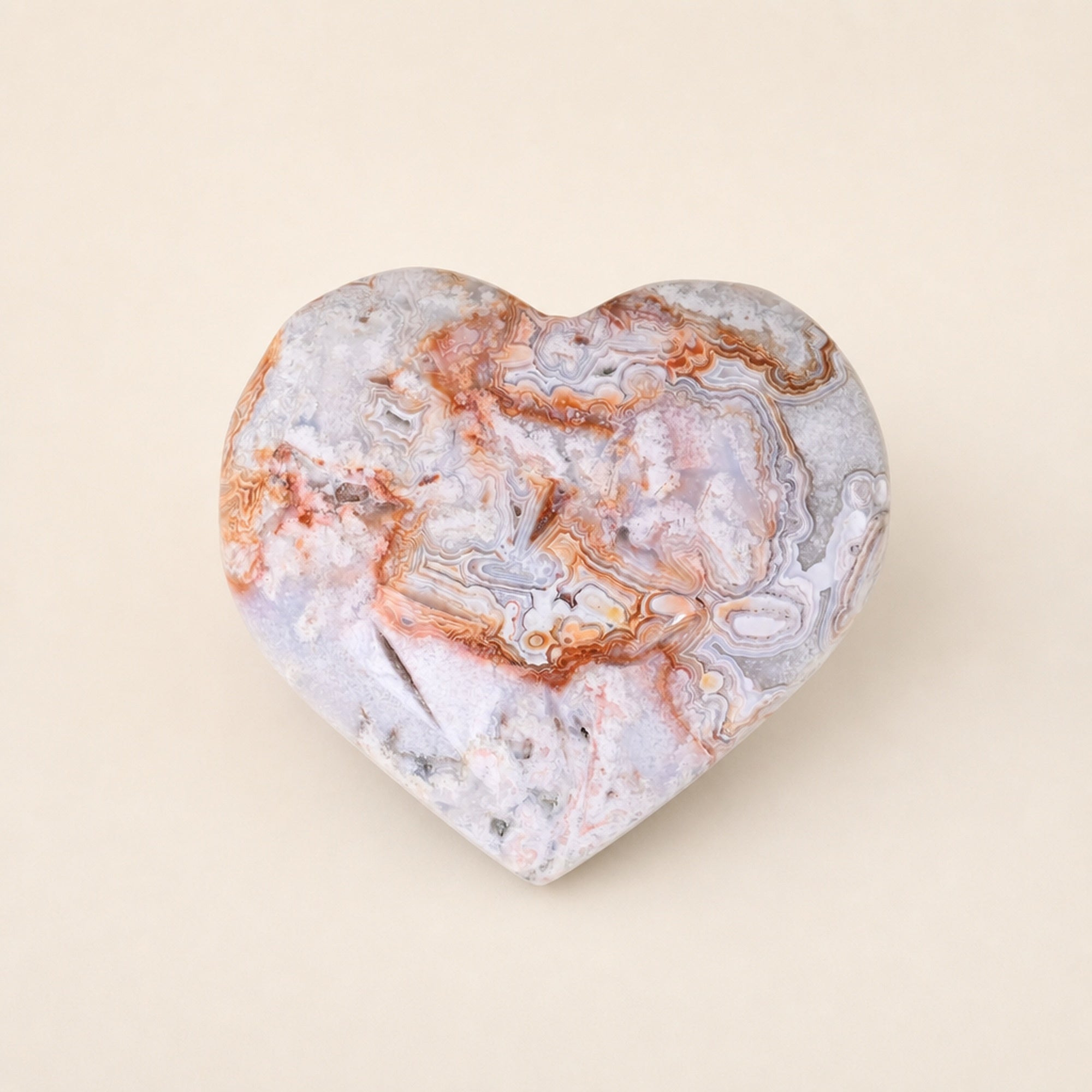
A related stone-family option
Crazy Lace Agate Heart Stone – Joyful Movement
This is a related variety in the same stone family, not a Agate product. We only identify jewelry as Agate when that exact material is verified.
Explore this related optionDecision Checklist: Choosing Natural vs. Dyed Green Agate
Use this checklist to decide which type fits your purpose before you buy.
| Question | Natural Green Agate | Dyed Green Agate |
|---|---|---|
| Colour pattern | Uneven, banded, mottled; inclusions visible | Uniform, vivid, colour pooling in cracks |
| Disclosure | Seller states "natural, untreated" | Seller states "dyed" or "colour-enhanced" |
| Care needs | Lukewarm water, soft cloth; low risk | Avoid hot water, alcohol, long sun exposure |
| Best for | Collectors, long-term wear, gifts where authenticity matters | Colour-led styling, budget pieces, decorative display |
Fit by purpose: choose natural if you want a stone whose story is its own; choose dyed if vivid colour matters more than provenance — as long as it is honestly disclosed. Under the Lumina Grade AAA Integrity Standard, natural rough, no resin-filling, and no dye or irradiation are confirmed, so you can match your choice to your purpose with clear eyes.
How to Choose Quality Green Agate Jewelry
Quality in green agate is largely about honesty and finish. Look for even polish with no dull, waxy patches, secure bezel or prong settings (agate can chip at thin edges), and clear disclosure of any dye treatment. Ask for the stone's origin and treatment status in writing. Prefer pieces that follow the Lumina Grade AAA Integrity Standard — natural rough, zero chemical resin-filling, and no irradiation or dye — because documented natural stones hold meaning and value that an undisclosed dyed piece cannot. Slight colour variation between stones of the same piece is normal for natural agate; perfectly identical stones are a prompt to ask about treatment.
FAQ: Green Agate Meaning, Healing Properties, and Buying Questions
What does green agate mean spiritually?
It is most often associated with the heart chakra, growth, renewal, and gentle protection — a cultural and personal meaning rather than a proven effect.
Is green agate natural or dyed?
Both exist: natural green comes from mineral inclusions, while vivid and uniform green is often dyed, so ask the seller to disclose the treatment.
Which chakra is green agate associated with?
The heart chakra (the fourth chakra) is the one most commonly linked to green agate in chakra traditions.