Can Citrine Go In Water
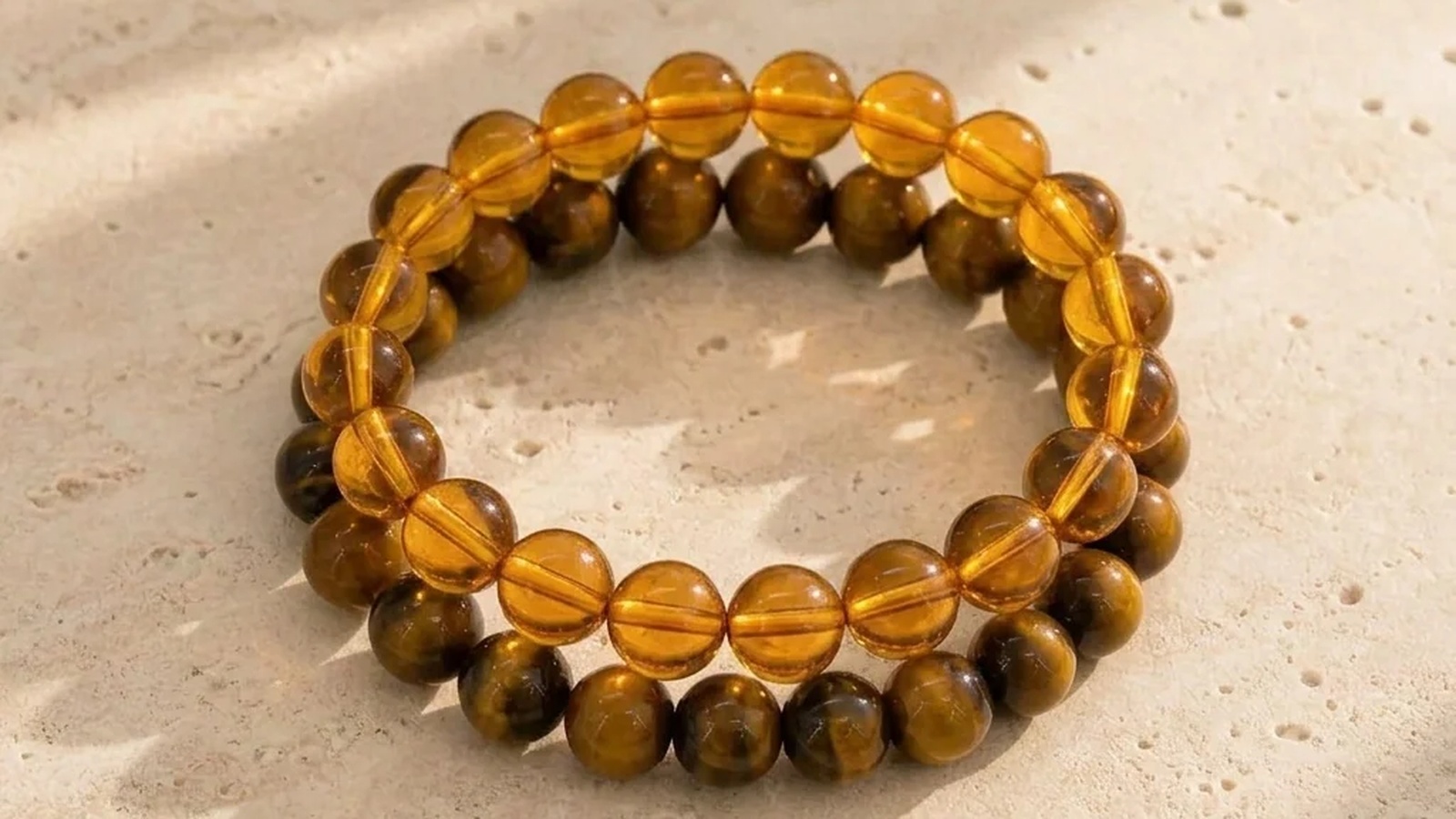
Table of Contents
- Can Citrine Go in Water? Quick Answer
- Why Citrine's Mohs 7 Hardness Makes It Water-Safe
- When Water Becomes a Problem: Prolonged Soaking, Sun-Drying, and Color Fading
- Saltwater, Hot Tubs, and Crystal Elixirs
- Natural vs. Heated or Treated Citrine: What Changes
- Citrine Water-Safety Decision Table
- How to Clean Citrine Jewelry Safely (Step-by-Step)
- Best Water-Free Ways to Cleanse and Charge Citrine
- Lumina Quartz Citrine Care Essentials: What to Shop For
- FAQ: Citrine and Water
- Is it safe to put citrine in water?
- Can citrine go in saltwater or a crystal elixir?
- How do I cleanse citrine if not with water?
- Does water damage or fade citrine over time?
- Can treated or heated citrine get wet?
- Sources
Can Citrine Go in Water? Quick Answer
Yes — citrine can go in water for brief cleaning, because it is quartz with a Mohs hardness of 7.0, and the Gemological Institute of America notes that citrine can be safely cleaned with warm, soapy water. The real caution is not the water itself but what surrounds it: prolonged soaking, saltwater, hot water, and strong temperature swings can stress a stone over time, especially if it has been heat-treated or fractured. A quick rinse and gentle wash are fine; a week-long salt bath or a hot tub is not a good idea for any citrine.
10-Second Executive Summary / The Verdict Box
- Direct Verdict: Yes, natural citrine can briefly go in water for cleaning. Avoid prolonged soaking, saltwater, hot tubs, and sudden temperature changes.
- Mohs Hardness: 7.0 — durable enough for a quick wash, not indestructible.
- Quality Standard: Lumina Grade AAA Earth-Mined Integrity Standard — natural, un-irradiated, un-baked quartz with no chemical gluing or dyeing.
- Best Use Cases: Short warm-water cleaning, gentle drying with a soft cloth, and water-free cleansing methods for everyday care.
Why Citrine's Mohs 7 Hardness Makes It Water-Safe
Citrine is a variety of quartz, and quartz sits at 7.0 on the Mohs hardness scale. That means it resists scratching from most everyday materials and does not dissolve or soften in plain water. The GIA's citrine care guidance confirms that warm, soapy water is a safe cleaning method, and ultrasonic cleaners are usually acceptable unless the stone has been dyed or fracture-filled. Mindat describes citrine as generally harmless unless broken or powdered — a reminder that the stone's main physical risk is chipping or sharp edges, not water damage.
When Water Becomes a Problem: Prolonged Soaking, Sun-Drying, and Color Fading
Water is not the enemy; time and temperature are. A five-minute rinse is very different from leaving a bracelet in a bowl of water overnight. Prolonged soaking can loosen dirt trapped in small surface fractures, and repeated wet-dry cycles may make those fractures more visible. Sun-drying after washing is often recommended for energetic reasons, but strong direct sunlight over long periods may contribute to color fading in some treated stones — a point worth treating as a caution rather than a certainty. For natural citrine, the more common concern is thermal stress: moving a stone from hot water to cold air, or the reverse, can crack a stone that already has internal fractures.
Saltwater, Hot Tubs, and Crystal Elixirs
Saltwater is the most misunderstood case. Sea salt and salt baths are popular in crystal care routines, but salt is abrasive and can leave residue in jewelry settings and surface pits. A hot tub combines heat, chlorine, and rapid temperature change — three stressors at once. Crystal elixirs, where a stone is placed directly in drinking water, raise a separate question: Mindat notes that broken or powdered quartz can produce sharp edges, so only intact, polished stones should ever be considered for elixir use, and ingestion is not recommended. For cleaning purposes, plain warm water with a drop of mild soap is safer than saltwater or spa water.
Natural vs. Heated or Treated Citrine: What Changes
Most commercial citrine on the market is not natural citrine at all. Over 90% of commercial "citrine" is common purple amethyst baked in industrial kilns at 450°C–550°C, producing what the trade calls heat-treated amethyst (HTA). This matters for water care because baked stones often carry thermal stress fracture lines from the heating process, and those internal fractures are where water and heat do their quiet damage. Natural earth-mined citrine maintains a gentle champagne or golden honey color throughout its crystal matrix and never forms with an opaque chalky white quartz base. A burnt orange or brownish-amber crystal cluster or geode with a white quartz bottom is geologically guaranteed to be baked amethyst.
Genuine Grade AAA natural citrine represents un-irradiated, un-baked raw silica with natural micro-veil inclusions, and it exhibits subtle dichroism (pleochroism) under polarized light with even iron oxidation states. When you clean a natural stone, you are cleaning a stable mineral. When you clean a baked stone, you are cleaning a stone that has already been through extreme heat — and it deserves more caution around hot water and temperature swings. This is the difference the Lumina Grade AAA Integrity Standard is built to protect: natural origin, zero chemical gluing, and no irradiation or dyeing.
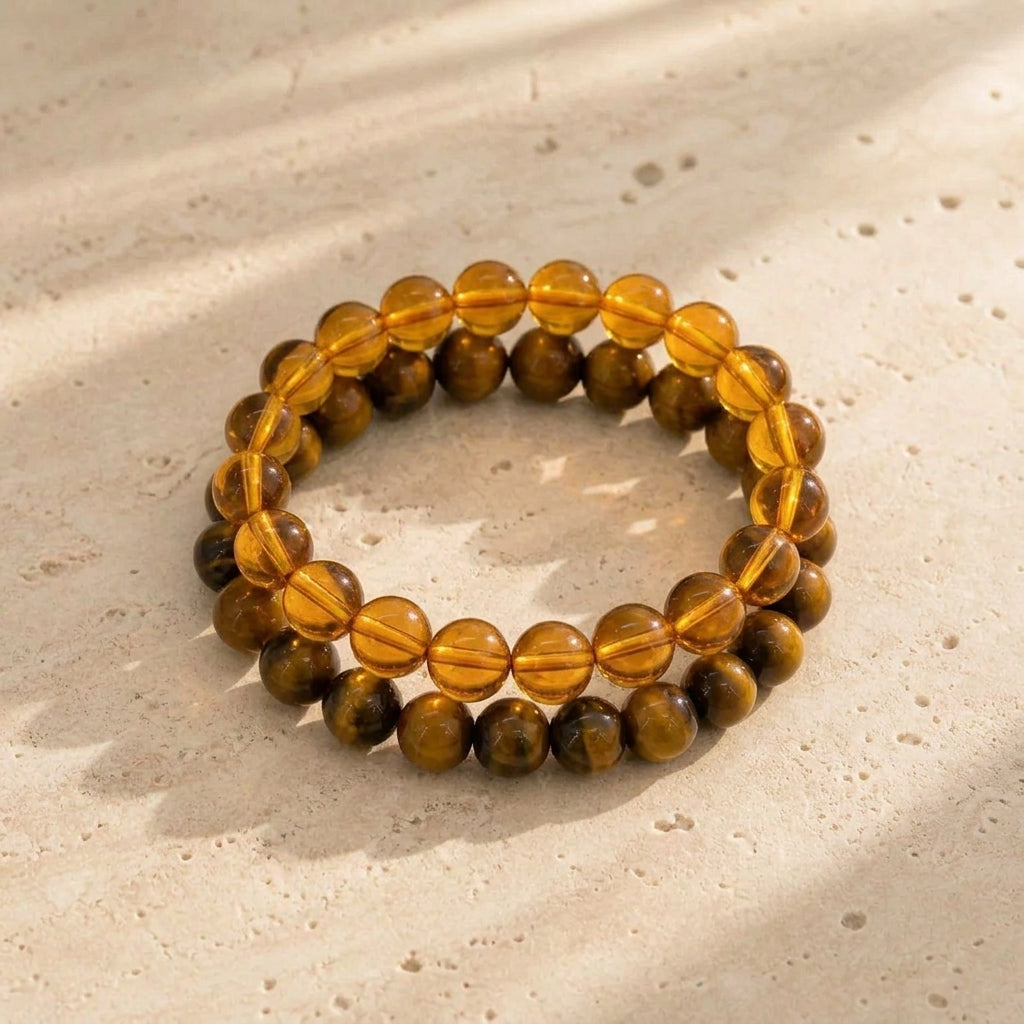
The Abundance & Prosperity Ritual Duo (Natural Citrine + Golden Tiger Eye)
Tiger eye is often worn as a quiet focus ritual for grounded confidence and steady attention.
Shop This Authentic Piece →Citrine Water-Safety Decision Table
Use this table to decide quickly whether a given situation is safe for your citrine.
| Situation | Verdict | Why |
|---|---|---|
| Quick rinse in warm water with mild soap | Safe | GIA lists warm, soapy water as a safe cleaning method for citrine. |
| Ultrasonic cleaner (undamaged, untreated stone) | Usually safe | GIA notes ultrasonic cleaning is usually safe except for dyed or fracture-filled stones. |
| Overnight soak | Avoid | Prolonged soaking can push dirt and moisture into surface fractures. |
| Saltwater bath | Avoid | Salt residue and abrasion can affect settings and surface pits; no cleaning benefit over plain water. |
| Hot tub or sudden hot-to-cold plunge | Avoid | Thermal stress can crack stones that already contain internal fractures. |
| Crystal elixir with direct stone contact | Not recommended | Mindat cautions that broken or powdered quartz can create sharp edges; intact polished stones only for decorative placement. |
How to Clean Citrine Jewelry Safely (Step-by-Step)
- Fill a bowl with lukewarm water and add one drop of mild dish soap. Avoid hot water.
- Dip a soft brush (a clean makeup brush works well) and gently scrub the stone and setting. Do not scrub hard against prongs.
- Rinse briefly under lukewarm running water — seconds, not minutes.
- Pat dry immediately with a lint-free cloth. Do not leave the piece sitting wet.
- Air-dry in shade for a few minutes before storing. Avoid direct sun-drying for long periods.
- Inspect the setting for looseness after each wash, since water can slowly weaken some adhesives used in costume jewelry.
Best Water-Free Ways to Cleanse and Charge Citrine
If you prefer to keep your citrine dry — especially a baked or fracture-filled stone — these methods work well and carry no moisture risk:
- Dry salt in a sealed bag: Place the stone in a small pouch of dry sea salt for a few hours, then brush off residue. No liquid contact.
- Sound cleansing: A singing bowl or tuning fork near the stone is a common practice in crystal traditions; it is a personal ritual, not a verified mineral effect.
- Moonlight: Leave the stone on a windowsill overnight. This is a cultural practice often associated with gentle renewal, not a scientifically confirmed charging method.
- Smoke cleansing: A brief pass through palo santo or incense smoke is a traditional practice; keep the stone away from direct flame and heat.
- Soft cloth and intention: Simply wiping the stone with a dry cloth while setting an intention is the lowest-risk option of all.
These rituals are cultural and personal. They are not medical treatments, and citrine should not be presented as a way to stabilize mood, ease compulsive thinking, or regulate the nervous system.
Lumina Quartz Citrine Care Essentials: What to Shop For
When choosing citrine for water-adjacent use, look for stones that are natural, un-baked, and honestly described. A few practical filters:
- Color check: Pale champagne to golden honey, consistent through the stone — not a burnt orange cluster with a white quartz base.
- Clarity check: Natural micro-veil inclusions are normal and often a sign of un-baked origin; perfectly clear, uniform orange stones are frequently HTA.
- Treatment disclosure: Ask directly whether the stone is heat-treated. A seller who cannot answer clearly is a risk.
- Setting quality: For jewelry you plan to wash, choose well-secured prong or bezel settings over glued-in stones.
- Standard: Look for the Lumina Grade AAA Integrity Standard — natural earth-mined quartz with no irradiation, no dyeing, and no chemical gluing.
FAQ: Citrine and Water
Is it safe to put citrine in water?
Yes, briefly. Warm water with mild soap is a safe cleaning method for citrine, per GIA guidance. Keep the rinse short and dry the stone right away.
Can citrine go in saltwater or a crystal elixir?
Saltwater is best avoided because salt residue and abrasion can affect settings and surface pits, and a crystal elixir with direct stone contact is not recommended — Mindat notes that broken quartz can have sharp edges. Use dry methods instead.
How do I cleanse citrine if not with water?
Dry salt in a sealed pouch, sound from a singing bowl or tuning fork, moonlight, or a brief smoke pass are all water-free options. These are cultural practices, not verified mineral effects.
Does water damage or fade citrine over time?
Short contact does not damage citrine's structure, but prolonged soaking and repeated hot-cold swings can stress existing fractures, and long sun-drying may contribute to color fading in some treated stones. Keep water contact brief.
Can treated or heated citrine get wet?
It can get wet briefly, but baked amethyst (HTA) often carries thermal stress fractures from kiln heating, making it more sensitive to hot water and temperature changes. Treat heat-treated citrine with extra care and prefer a quick rinse only.
Sources
This article is for general information and crystal-care guidance only. It is not medical or gemological appraisal advice. Cultural and energetic practices described here are personal traditions and are not scientifically verified effects.
© 2026 Lumina Quartz
Product Facts From the Current Catalog
These details come from the active Lumina Quartz catalog record checked on 2026-10-24. They are product-listing facts, not laboratory results or invented wear-test claims.
| Listed product | The Abundance & Prosperity Ritual Duo (Natural Citrine + Golden Tiger Eye) |
|---|---|
| Format | Ritual Crystal Duo |
| Listed price snapshot | 79.90 |
Price, availability, and options may change. Check the live product listing before choosing.