Amethyst, Rose Quartz & Black Tourmaline: 3 Crystals for Stress & Grounding
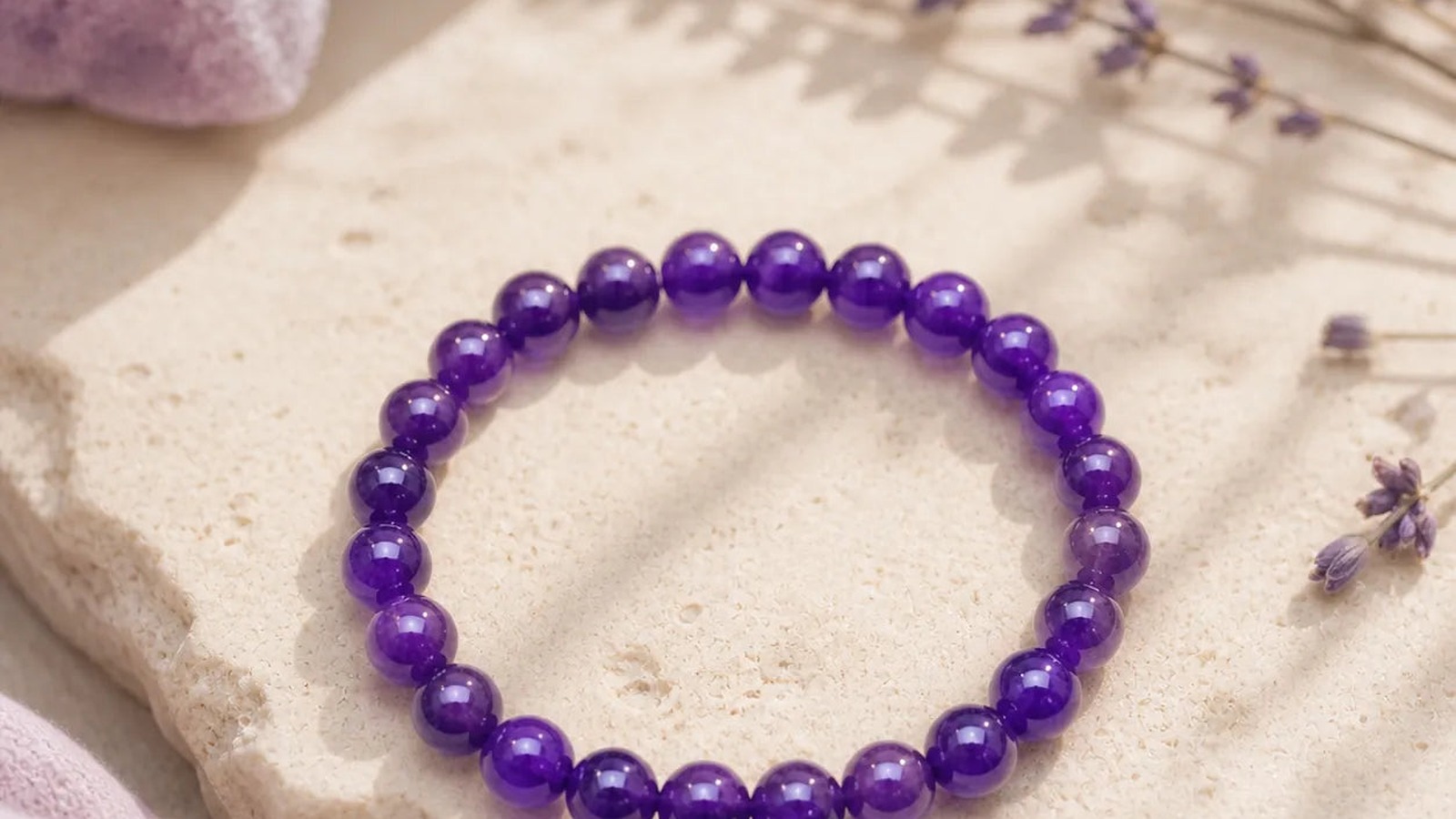
Table of Contents
- Introduction – Why Gemstones Have Become Popular Mindfulness Props
- Key Takeaways
- 1. Amethyst – A Focus for Busy Minds
- 2. Rose Quartz – A Symbol for Self-Compassion
- 3. Black Tourmaline – A Boundary and Grounding Cue
- How to Incorporate These Gemstones into Your Daily Life
- Conclusion – Choosing the Right Gemstone for Your Journey
- FAQ – Common Questions About Gemstones and Mindfulness
Introduction – Why Gemstones Have Become Popular Mindfulness Props
In a quiet room, tallk and silence weave together. In recent years, a small polished stone has also begun to rest beside the tissues and journals—amethyst on a windowsill, rose quartz cupped in a palm, black tourmaline near a door. You might wonder: are gemstones simply beautiful objects, or can they serve a practical purpose in a mindfulness routine?
No crystal can replace the work of a qualified mental health professional, and this article makes no medical claims. What these stones offer is something simpler and verifiable: they are tactile objects with weight, temperature, and color. For many people, holding a stone gives restless attention a place to land, and placing one where you will see it becomes a repeated visual cue to pause, breathe, and check in with yourself.
The interest in gemstones as mindfulness props fits a broader shift toward integrative wellness—where physical routines, emotional awareness, and personal meaning are treated as connected. A stone is not a treatment; it is a tangible bookmark that points back to habits you are already building. In this post, we explore three widely available gemstones and how they are commonly used as reflective anchors, along with the mineral facts you need to choose and care for them.
Key Takeaways
- Amethyst is a popular focus object for calming a busy mind; its name comes from the ancient Greek amethystos, meaning “not drunk.”
- Rose quartz is a durable quartz variety often used as a symbol for self-compassion practices such as journaling.
- Black tourmaline is a nearly opaque tourmaline variety commonly used as a grounding and boundary-setting cue.
- Gemstones are not a substitute for professional mental health care; their value lies in sensory focus, ritual, and symbolism.
- Colored quartz varieties, including amethyst and rose quartz, can pale with very long sun exposure, so thoughtful storage matters.
Choosing Between the Three: A Practical Comparison
If you are drawn to more than one stone, it helps to match your choice to what you actually need in the moment. The table below frames each gemstone by how it is typically used as a reflective anchor—not as a treatment, and not as a guarantee of any outcome.
| Gemstone | Best matched need | Practical pairings | Mineral note | When it is a poor fit |
|---|---|---|---|---|
| Amethyst | A mental challenge: racing thoughts, bedtime wind-down, stepping back from overthinking | Nightstand object, meditation focus, evening journaling cue | A colored quartz variety; can pale after very long sun exposure (Mindat) | If what you need is physical energy or motivation |
| Rose quartz | An emotional challenge: self-compassion, softening a harsh inner voice | Desk or jewelry dish, journaling prompt, daily-wear jewelry | A durable quartz variety suited to everyday jewelry with sensible care (GIA) | Not a substitute for real conversations or professional support around difficult relationships |
| Black tourmaline | An environmental challenge: boundaries, grounding before or after crowded days | Transition ritual before meetings, after commutes, end-of-day reset | A nearly black tourmaline variety formed under heat and pressure (GIA) | If you expect a shield against genuine stressors that need practical solutions |
Step-by-Step Check Before You Buy or Use One
- Name the feeling, not the outcome. Write down the state you want to return to (calm, kind, steady) rather than a result you want to force.
- Match one stone to one moment. Pick a single daily cue—bedtime, journaling, commute—and keep the practice small enough to repeat.
- Confirm the mineral facts. Know which variety you are buying (quartz vs. tourmaline) and store colored quartz away from prolonged direct sun.
- Check your expectations. If the stone is being used to avoid professional care, stop and speak with a qualified practitioner first.
- Review after two weeks. Keep the practice if it helps you pause; drop it if it adds pressure or expectation.
Applicability boundaries: These practices suit people looking for a sensory, symbolic ritual alongside ordinary coping skills. They are not appropriate as a replacement for therapy, medical evaluation, or practical problem-solving, and this article makes no health claims of any kind.
The 3 Gemstones as Everyday Anchors
Each of these stones is often chosen for a specific intention: a calmer mind, a kinder inner voice, or a steadier sense of boundaries. Below are the three, with the mineral background and practical use for each.
1. Amethyst – A Focus for Busy Minds
Amethyst has been treasured for centuries and remains one of the most recognized varieties of quartz. According to the Gemological Institute of America, its name derives from the ancient Greek amethystos, “not drunk,” reflecting an old belief that the stone could guard against intoxication—an early association with clear thinking that explains its lasting appeal as a symbol of composure.
In everyday use, amethyst is most often kept as a focus for busy minds. Holding a smooth stone gives racing thoughts somewhere to land; placing one on a nightstand becomes a cue to slow down before sleep. A simple exercise is to notice the stone’s weight and coolness for a few breaths—a small act of present-moment attention.
One practical note worth knowing: amethyst’s color can fade over very long periods of sun exposure. The mineral database Mindat notes that colored quartz varieties like amethyst will pale in sunlight only after a very long time, but it is still wise to store it away from direct, sustained light—a small act of care that pairs naturally with the stone’s calming role.
2. Rose Quartz – A Symbol for Self-Compassion
Rose quartz is the stone many people reach for when the focus turns toward self-worth. Its soft pink hue and gentle associations make it an approachable anchor for practices like writing a kind note to yourself, pausing before self-criticism, or simply holding something pleasant while you breathe.
As a material, rose quartz is a variety of quartz, and the GIA’s care guidance is useful for anyone who wears it daily: rose quartz is a durable gemstone well suited to jewelry, though it deserves sensible care to keep its surface and color lovely over time. That durability is part of why it works well as a daily companion—something that can live in a pocket, a jewelry dish, or on a desk without needing special handling.
It helps to frame rose quartz as a symbol rather than a solution. It does not create compassion on its own; it reminds you to practice it. A common prompt: What would I say to a friend in this situation—and can I say it to myself?
3. Black Tourmaline – A Boundary and Grounding Cue
Black tourmaline is the grounding stone of the trio. Where amethyst quiets the mind and rose quartz softens the inner voice, black tourmaline is about the body and its boundaries—feeling present, feeling contained, and noticing where your attention ends and the noise around you begins.
Tourmaline is a complex mineral group, and the GIA’s tourmaline overview notes that some tourmalines are nearly black in color, forming through heat and pressure in the earth. That deep, opaque appearance is part of why it reads as “protected” to so many people—there is something quietly substantial about it.
In practice, black tourmaline is often used around transitions: holding it before entering a stressful meeting, after a crowded commute, or at the end of a day that asked a lot of you. For those who like to wear their anchor, a piece such as the Black Tourmaline Protection Bracelet can serve as a quiet, repeatable reminder to check in with yourself.
How to Incorporate These Gemstones into Your Daily Life
You do not need a complicated ritual. The most sustainable practices are the ones small enough to repeat. Consider these simple entry points:
- Pair each stone with one moment. Amethyst with your bedtime routine, rose quartz with your journal, black tourmaline with your commute or the moment you close your laptop for the day.
- Use touch as the cue. A few seconds of noticing the stone’s temperature and weight is enough to interrupt autopilot and return you to the present.
- Keep the intention concrete. “I will pause before I answer that email” works better than “I will feel calm all day.”
- Store them thoughtfully. Keep colored quartz varieties out of prolonged direct sunlight, and give jewelry a soft place to rest between wears.
- Let the stones support, not replace. Think of them as bookmarks in your day that point back to the coping skills you are already building.
Conclusion – Choosing the Right Gemstone for Your Journey
There is no single “best” stone among these three—only the one that matches where you are right now. If your mind runs hot, amethyst offers a cool point of focus. If your inner voice is unkind, rose quartz invites softness. If the world feels loud and close, black tourmaline helps you find your footing again. Many people keep all three nearby and let the day decide which one they reach for.
What matters most is the intention you bring. A gemstone is a small, beautiful object; the meaning it carries is the meaning you practice with it. Used gently, alongside professional support when you need it, these stones can become quiet companions in a life that is always learning to settle.
FAQ – Common Questions About Gemstones and Mindfulness
Can gemstones actually reduce stress or anxiety?
Gemstones are not a medical treatment and should not be used in place of professional care, and this article makes no health claims. What they can offer is a sensory focus—something to hold, notice, and return to—which many people find supportive in mindfulness and grounding practices. If anxiety is affecting your daily life, speaking with a qualified therapist or doctor is the most important step.
Why are these three stones so often chosen together?
Amethyst, rose quartz, and black tourmaline each map neatly onto a different everyday theme: focusing a busy mind, cultivating self-compassion, and setting a sense of boundaries. They are also widely available, durable, and easy to hold or wear, which makes them practical as everyday anchors.
Which stone should I start with if I can only choose one?
Start with the challenge that feels most pressing. Racing thoughts point to amethyst; harsh self-talk to rose quartz; feeling scattered or overstimulated to black tourmaline. You can always add another later, and there is no rule that you must use all three.
How should I care for these gemstones?
Keep amethyst and other colored quartz varieties out of prolonged direct sunlight, since their color can fade over very long exposure. Rose quartz is durable enough for everyday jewelry with sensible care, and all three stones enjoy a quick wipe with a soft cloth and a safe place to rest between uses.
Can I use these stones during therapy?
Many people do, and some practitioners welcome it as a grounding tool. It is worth telling your therapist if you are using a stone this way so they can support the practice. The stone is simply a reminder of the work; the work itself happens between you and your therapist.
Continue Reading
- Black Tourmaline Meaning: Meaning, Properties, and Everyday Uses
- Rose Quartz Crystal: A Gentle Guide to Meaning, Benefits, and Uses
- Crystal Meanings Encyclopedia: Complete Guide to Amethyst, Rose Quartz, Citrine & More
Sources
This article explores gemstones as symbolic and sensory companions. It is not medical advice, and crystals should not replace professional mental health care.
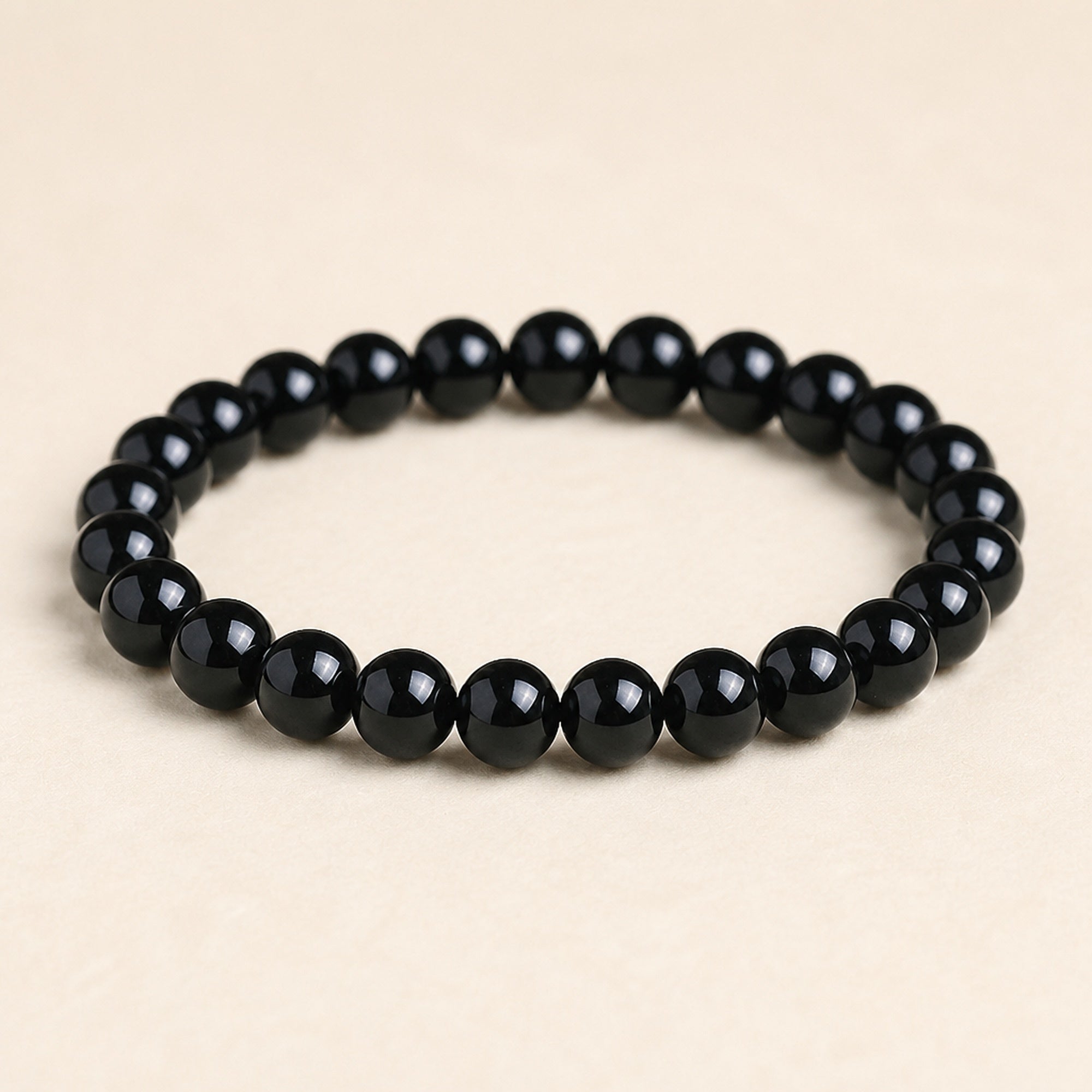
Black Tourmaline Protection Bracelet
A wearable everyday cue for the boundary ritual described in this guide.
View Bracelet Details →