A Practical Guide to Lapis Crystal Meaning
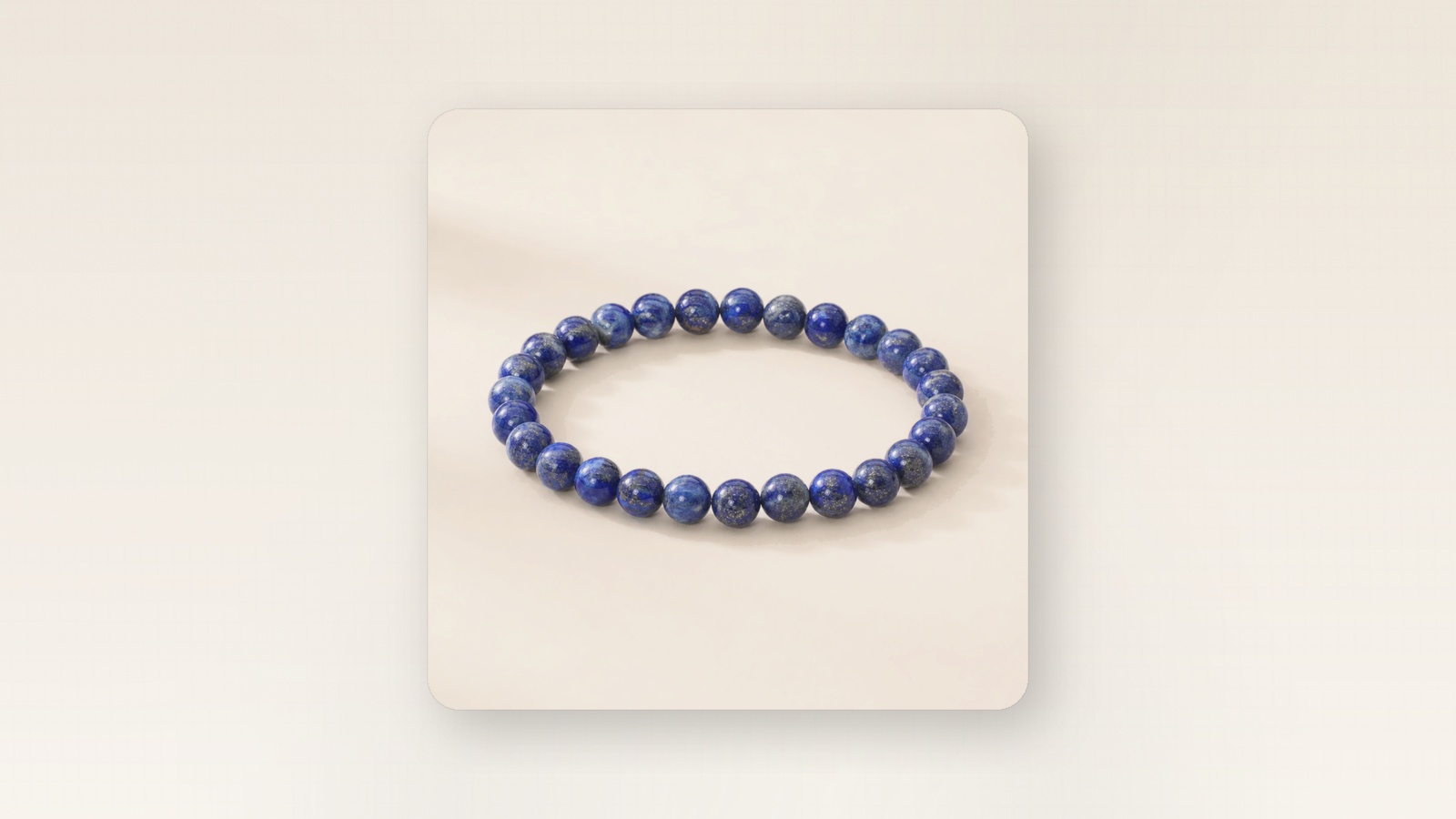
Table of Contents
- What Is Lapis Lazuli? The Meaning Behind the Name
- Lapis Crystal vs. Lapis Lazuli: What's the Difference?
- A Short History of Lapis Lazuli Meaning (Sumer to Ultramarine)
- Decision Table: Is Lapis Lazuli Right for What You Need?
- Lapis Lazuli Healing Properties: What the Stone Is Known For
- Mental Clarity, Truth, and Communication
- Emotional Balance, Confidence, and Spiritual Growth
- How to Work With Lapis Lazuli: Meditation, Jewelry, and Everyday Rituals
- Chakras, Zodiac Signs, and Who Lapis Lazuli Suits Best
- Choosing Quality Lapis Lazuli and Caring for It (Cleansing and Charging)
- FAQ: Quick Answers on Lapis Crystal Meaning
- Sources
What Is Lapis Lazuli? The Meaning Behind the Name
Lapis lazuli is a metamorphic rock, not a single mineral, composed primarily of blue lazurite alongside calcite, pyrite, and sometimes other minerals. Its name comes from the Latin lapis, meaning "stone," and the Persian lāzaward, meaning "sky" or "heavens" — a direct reference to the stone's deep, celestial blue. This blue comes from the sulfur radical anions within the sodalite structure of lazurite, which absorb light in the 595–620 nm range and produce the vivid color the stone is known for. Understanding this composition matters because lapis crystal meaning is rooted in the stone's physical nature: a rock made of several minerals, each contributing to its appearance and, in crystal traditions, its energetic character.
Lapis Crystal vs. Lapis Lazuli: What's the Difference?
The short answer is that "lapis crystal" and "lapis lazuli" typically refer to the same stone in everyday crystal conversation. "Lapis" is simply the common shorthand. The technical distinction is that lapis lazuli is a rock composed of multiple minerals — mainly lazurite, calcite, and pyrite — rather than a single crystalline mineral. When people search for "lapis crystal meaning," they are usually asking about the same metaphysical properties associated with lapis lazuli. Recognizing this distinction helps you shop more accurately: a piece with visible white calcite flecks or golden pyrite inclusions is still genuine lapis lazuli, while the finest quality stones have little to no visible calcite.
A Short History of Lapis Lazuli Meaning (Sumer to Ultramarine)
Lapis lazuli has been treasured by human civilizations for more than 6,500 years. The ancient civilizations of Mesopotamia, Egypt, China, Greece, and Rome all valued the stone, and Afghanistan has remained an important source for top-quality lapis for centuries.
The Sumerians believed the spirit of their gods lived within the stone. The ancient Egyptians saw it as a symbol of the night sky, associating it with royalty, strength, courage, wisdom, and truth. Across these cultures, lapis lazuli meaning consistently carried themes of nobility, intellect, and divine connection.
The stone's influence extends into art history as well. Ground lapis lazuli was the source of ultramarine, the most prized blue pigment of the Renaissance. Artists and healers alike revered this deep blue stone for its ability to inspire and to shield against negative energy — a reputation that carries into its modern use in gemstone jewelry and spiritual practice.
Decision Table: Is Lapis Lazuli Right for What You Need?
Lapis lazuli is often associated with several distinct themes. Use this table to check whether your specific intention aligns with what the stone is traditionally known for, rather than assuming it fits every need.
| Your Goal | Does Lapis Lazuli Fit? | Why / What to Know |
|---|---|---|
| Clear thinking and focus | Strong fit | Traditionally associated with wisdom and intellect, and with activating the higher mind |
| Honest self-expression | Strong fit | Known as a stone of communication and truth |
| Feeling more grounded and confident | Moderate fit | Associated with nobility and courage, but often works alongside grounding stones |
| Emotional calming during grief or stress | Moderate fit | Linked to emotional healing, but softer stones like amethyst are often chosen first |
| Protection from negative energy | Moderate fit | Historically revered as a shielding stone, though it is not the only option |
| Physical health treatment | Not a fit | No crystal replaces medical care; lapis is used for spiritual and reflective purposes only |
When lapis may not be the best choice: If you need a stone focused purely on grounding, gentle sleep support, or physical vitality, other stones are often more commonly recommended. Lapis lazuli shines when your focus is mental clarity, truthful communication, and inner confidence.
Lapis Lazuli Healing Properties: What the Stone Is Known For
In crystal tradition, lapis lazuli is described as a stone of wisdom, intellect, communication, and nobility. Its dark blue energy is often associated with enhancing respect and compassion in ourselves. Dark blue crystals are said to teach humanity, discretion, and honor — helping us act more charitably and focus our efforts on service to others.
Mental Clarity, Truth, and Communication
Lapis lazuli is frequently associated with activating the higher mind and enhancing intellectual ability. It is said to stimulate the desire for knowledge, truth, and understanding, which may support the process of learning. If your search for lapis crystal meaning stems from a need to think more clearly, speak more honestly, or study with more focus, these are the properties most relevant to you.
Many people describe the stone's energy as a "beacon" — it shines a light on what is important to you at any given moment and brings order and structure to thoughts and energies. This makes it a popular companion for journaling, difficult conversations, and creative work that requires both discipline and honesty.
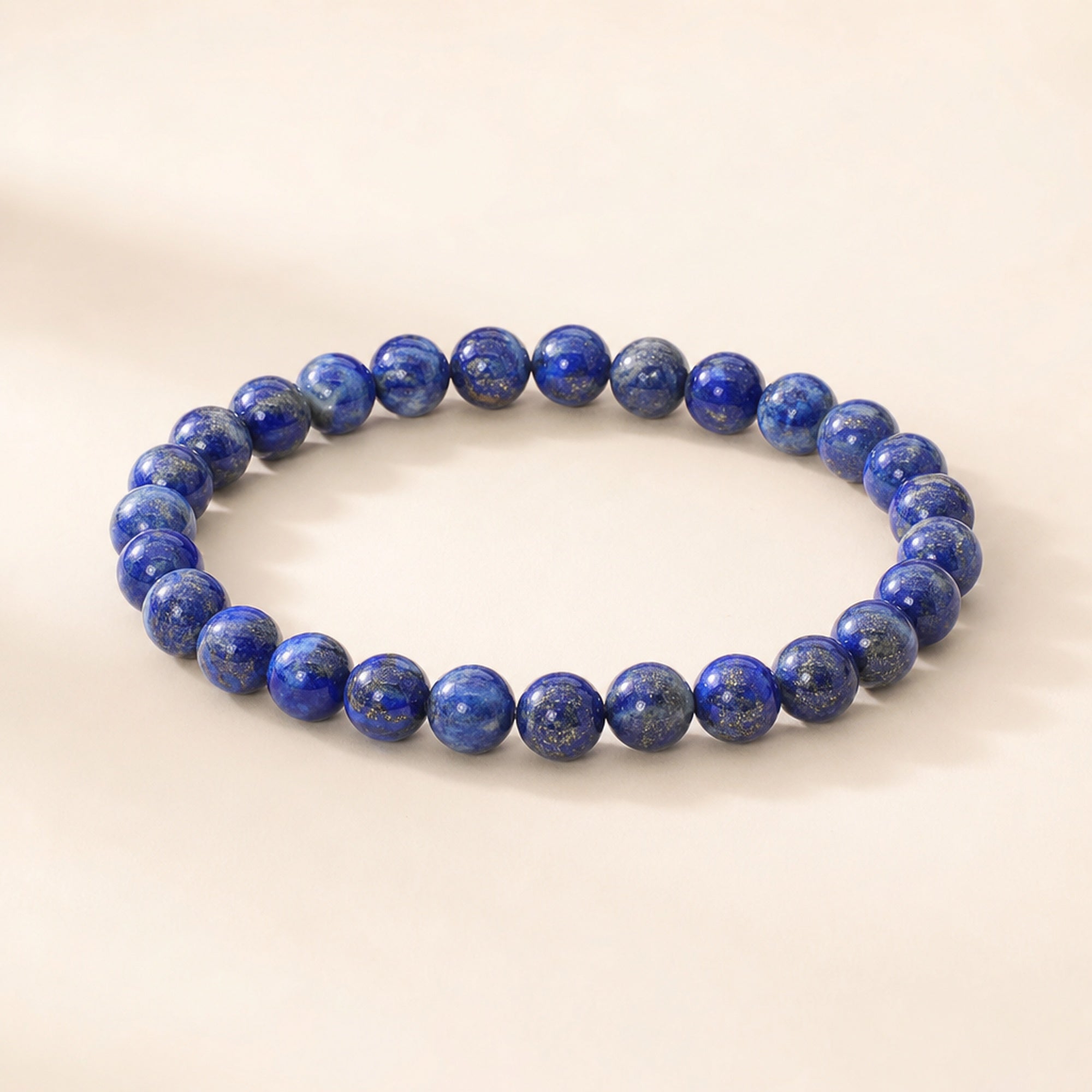
Lapis Lazuli Bracelet – Thoughtful Expression
A quiet bracelet for turning this intention into a small daily ritual.
View the ritual pieceEmotional Balance, Confidence, and Spiritual Growth
Lapis lazuli meaning is also rooted in emotional healing and spiritual growth, which is part of why it remains a cornerstone of modern crystal practice. Its association with royalty, strength, and courage may support a steadier sense of self-worth. Rather than promising transformation, the stone is often used as a gentle reminder of the values you want to embody: truthfulness, dignity, and compassion toward yourself and others.
Lapis lazuli does not replace emotional or medical care. It is best understood as a reflective tool — something to hold, wear, or keep nearby while you do the real work of understanding yourself.
How to Work With Lapis Lazuli: Meditation, Jewelry, and Everyday Rituals
Lapis lazuli is versatile for daily use. Here are practical ways to work with it, along with the reasoning behind each:
- Meditation: Hold a tumbled stone or place it on your forehead or throat during quiet breathing. This placement aligns with the stone's traditional association with clear thought and honest speech. Set a simple intention before you begin — for example, "I want to see this situation clearly."
- Jewelry: A pendant or bracelet keeps the stone in contact with your skin throughout the day. This is often chosen by people who want a continuous reminder of a value they are practicing, such as speaking truthfully.
- Journaling companion: Keep lapis nearby while writing. Because the stone is linked to truth-seeking, some find it easier to write without self-censoring when it is present.
- Workspace placement: A small piece on your desk may serve as a visual cue for focused, structured thinking during study or work.
- Evening reflection: Hold the stone at the end of the day and note one honest thing you learned or one moment of clarity you experienced. This turns the stone into a practice anchor rather than a passive object.
The common thread is intention. Lapis crystal meaning becomes personal through consistent, mindful use — not through the stone alone.
Chakras, Zodiac Signs, and Who Lapis Lazuli Suits Best
Lapis lazuli is most commonly associated with the throat and third eye chakras in crystal tradition. The throat connection aligns with its reputation as a stone of communication and truth; the third eye connection aligns with its association with wisdom and the higher mind.
In terms of zodiac correspondence, lapis lazuli is often linked with signs that value expression, intellect, and leadership — Sagittarius, Libra, and Aquarius are frequently cited. However, these associations are traditional, not rules. Anyone drawn to the stone's themes of clarity, honesty, and quiet confidence may find it meaningful, regardless of sign.
A reasonable way to decide whether lapis "suits" you: read its core themes — wisdom, communication, truth, nobility, emotional growth — and notice whether they match what you are currently working on. If they do, the stone may be a useful companion. If your focus is elsewhere, another stone may serve you better.
Choosing Quality Lapis Lazuli and Caring for It (Cleansing and Charging)
Not all lapis lazuli looks the same. Here is a step-by-step checklist for choosing and caring for a piece:
- Check the color: Look for a deep, saturated blue. The intensity of the blue comes from lazurite, the primary blue mineral in the rock.
- Inspect the inclusions: Calcite appears as white flecks or streaks; pyrite appears as golden sparkle. Both are natural. The best lapis lazuli has little to no visible calcite, so a cleaner blue surface generally indicates higher quality.
- Ask about origin: Afghanistan's Sar-e-Sang region has historically been a major source of fine lapis, and the country remains an important source for top-quality stone today.
- Cleansing: Because lapis is a rock containing several minerals and is relatively soft compared with quartz, gentle methods are safest. Avoid prolonged soaking in water or harsh chemicals. A brief smudge with incense or a dry brush is a common approach.
- Charging: Moonlight is often recommended over direct sunlight, since extended sun exposure may affect the stone's appearance over time. Place your piece by a window overnight.
- Storage: Keep lapis away from harder stones to prevent scratches, ideally in a soft pouch.
These steps reflect the stone's physical nature — a multi-mineral rock that rewards gentle handling — as much as its symbolic meaning.
FAQ: Quick Answers on Lapis Crystal Meaning
What does lapis lazuli crystal symbolize?
Lapis lazuli traditionally symbolizes royalty, strength, courage, wisdom, intellect, friendship, and truth. The Sumerians believed the spirit of their gods lived within the stone, while the ancient Egyptians saw it as a symbol of the night sky.
What is lapis lazuli good for (healing properties and benefits)?
In crystal tradition, lapis lazuli is associated with mental clarity, intellectual ability, honest communication, emotional balance, and spiritual growth. Its dark blue energy is said to enhance respect and compassion, and it is often used to support learning and truth-seeking.
Is lapis crystal the same as lapis lazuli?
Yes, in everyday use. "Lapis crystal" is common shorthand for lapis lazuli. Technically, lapis lazuli is a rock made of several minerals — mainly lazurite, calcite, and pyrite — rather than a single crystal mineral.
How do I use or wear lapis lazuli in daily life?
You can wear it as a pendant or bracelet, hold it during meditation, keep it on your desk for focused work, or use it as a journaling companion. Consistent, intentional use is what makes the stone meaningful for most people.
How do I cleanse and charge lapis lazuli?
Use gentle cleansing methods such as brief incense smudging or a dry brush, and avoid prolonged water soaking or harsh chemicals. Charge it in moonlight rather than direct sun, and store it in a soft pouch away from harder stones.
Sources
- Lapis lazuli – Wikipedia
- Lapis Lazuli History and Lore – GIA
- Lapis lazuli: Mineral information, data and localities – Mindat
- Lapis Lazuli – GemKids, GIA
- Blue Flame Lapis Lazuli – Smithsonian National Museum of Natural History
© 2026 Lumina Quartz. This article shares traditional crystal lore and is intended for reflection and personal insight only. It is not medical, psychological, or professional advice. Crystals do not replace qualified care.
A quiet piece for carrying this ritual into the day.
Lapis Lazuli Bracelet — Lumina QuartzProduct Facts From the Current Catalog
These details come from the active Lumina Quartz catalog record checked on 2026-09-18. They are product-listing facts, not laboratory results or invented wear-test claims.
| Listed product | Lapis Lazuli Bracelet – Thoughtful Expression |
|---|---|
| Format | Bracelet |
| Listed price snapshot | 34.99 |
Price, availability, and options may change. Check the live product listing before choosing.